Zero Waste Hour Initiative

Zero Waste Hour Initiative: Bhutan’s Path to Sustainable Future

Bhutan, a small Himalayan kingdom, has gained worldwide recognition for its exceptional efforts in promoting environmental conservation and sustainability. Its “Zero Waste Hour” campaign, among other initiatives, is driving the country towards a sustainable future.

Understanding the ‘Zero Waste Hour’ Initiative

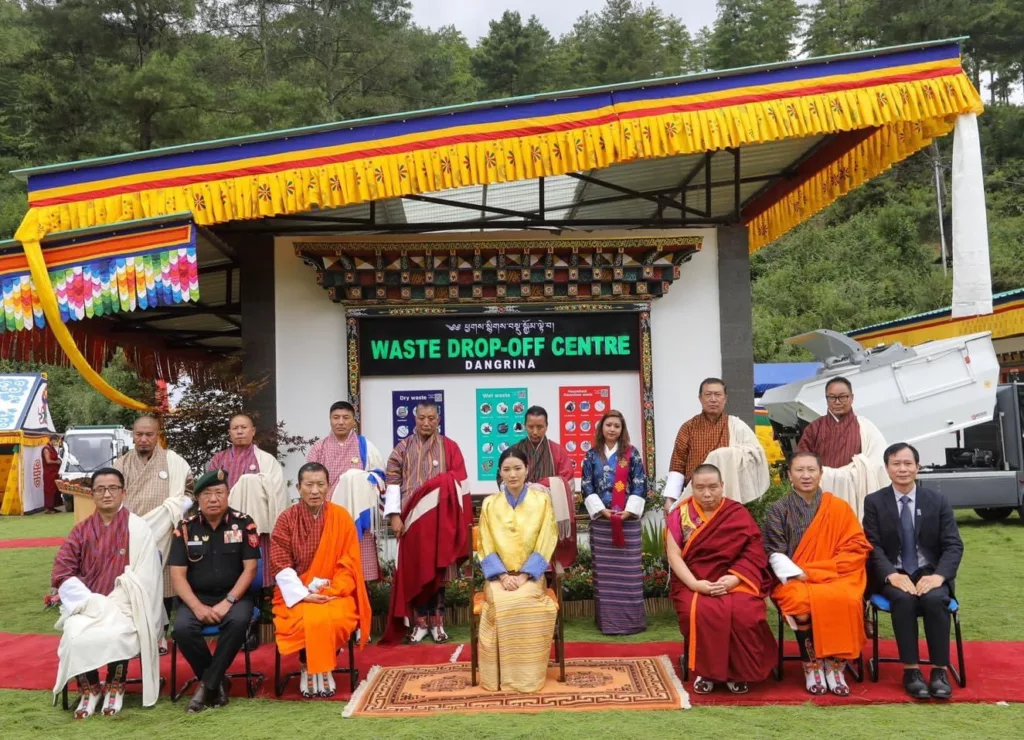
On June 2nd, 2019, the Queen of Bhutan, Her Majesty The Gyaltsuen Jetsun Pema Wangchuck, initiated the “Zero Waste Hour” as part of the 45th coronation anniversary of His Majesty The Fourth Druk Gyalpo. This national endeavor beckons all Bhutanese citizens to assume responsibility for their waste and deliberately strive to decrease it. To that end, the initiative exhorts individuals to set aside an hour on the 2nd day of each month, from 9am to 5pm, to concentrate solely on waste reduction efforts.

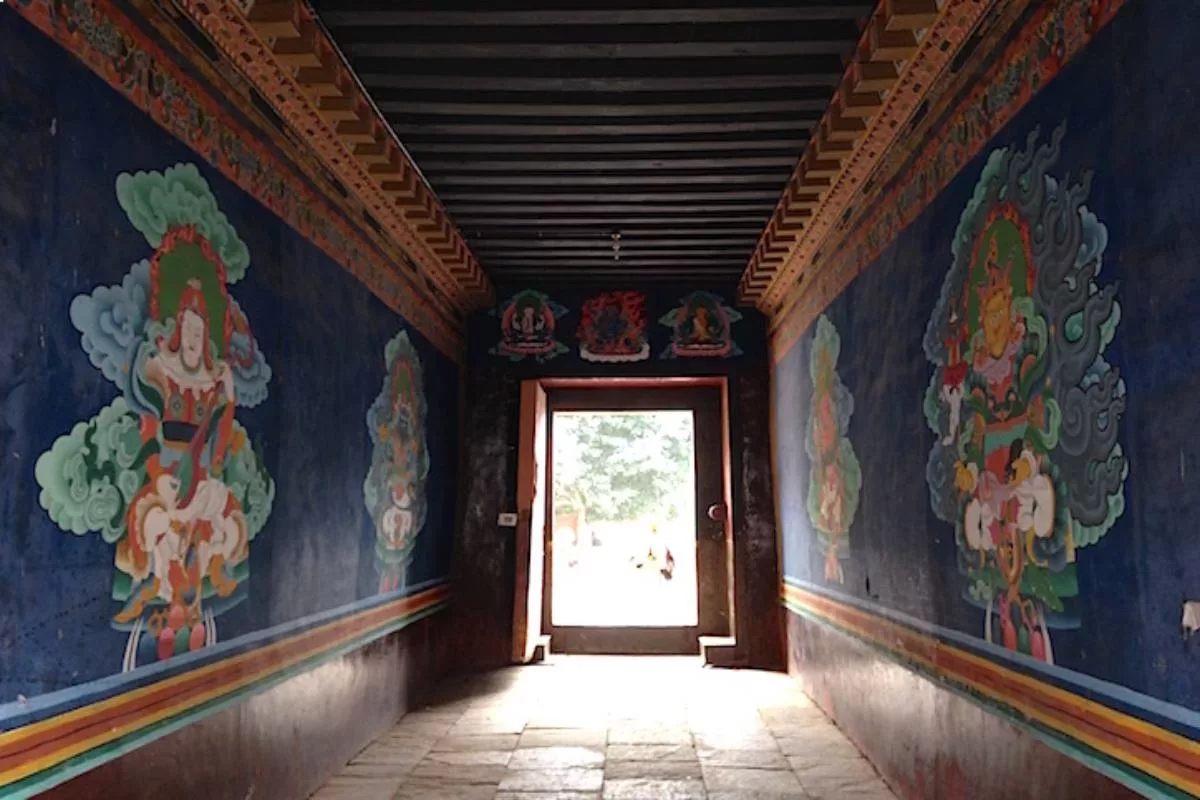
Primum Luxury exclusive Zero Waste Hour initiative in Bhutan

Implementing the ‘Zero Waste Hour’ Initiative

During the “Zero Waste Hour,” people are encouraged to switch off their lights and electrical appliances, avoid using plastic and other non-biodegradable materials, and engage in activities that promote waste reduction, such as composting, recycling, and reusing. By taking these simple steps, individuals can make a significant contribution to reducing the amount of waste generated in Bhutan.

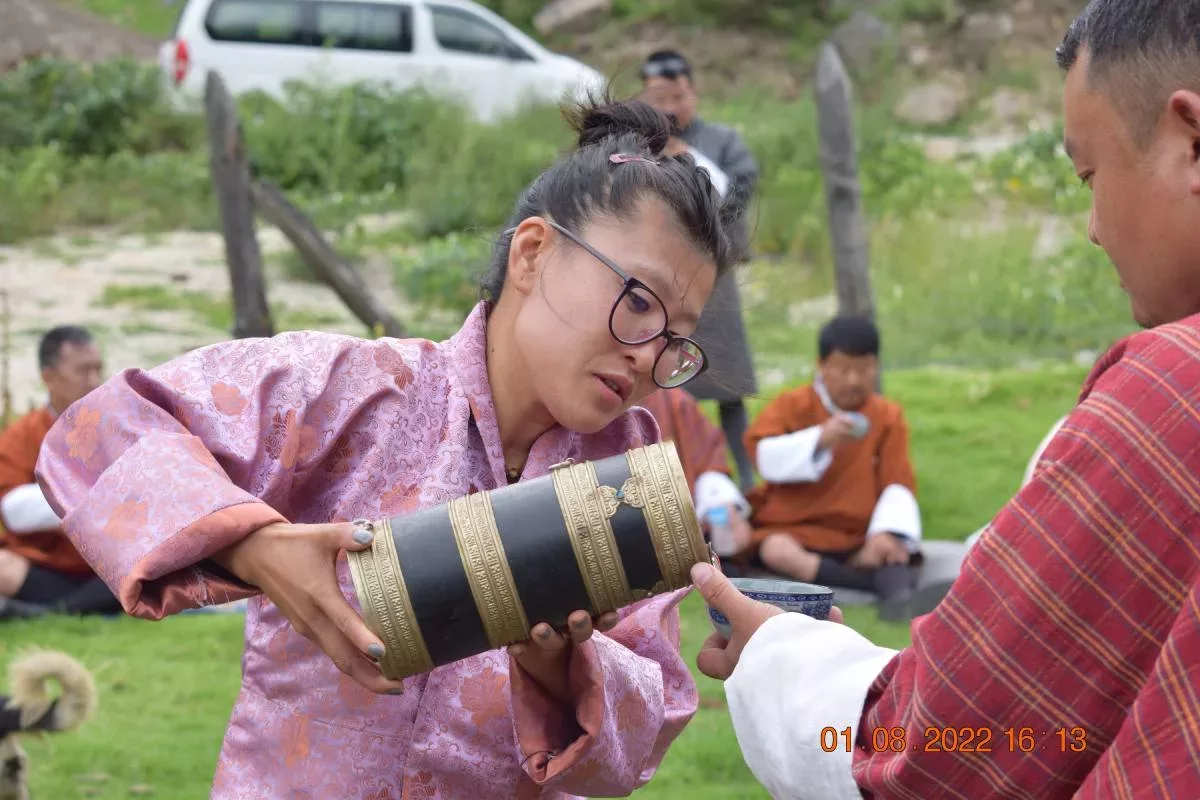
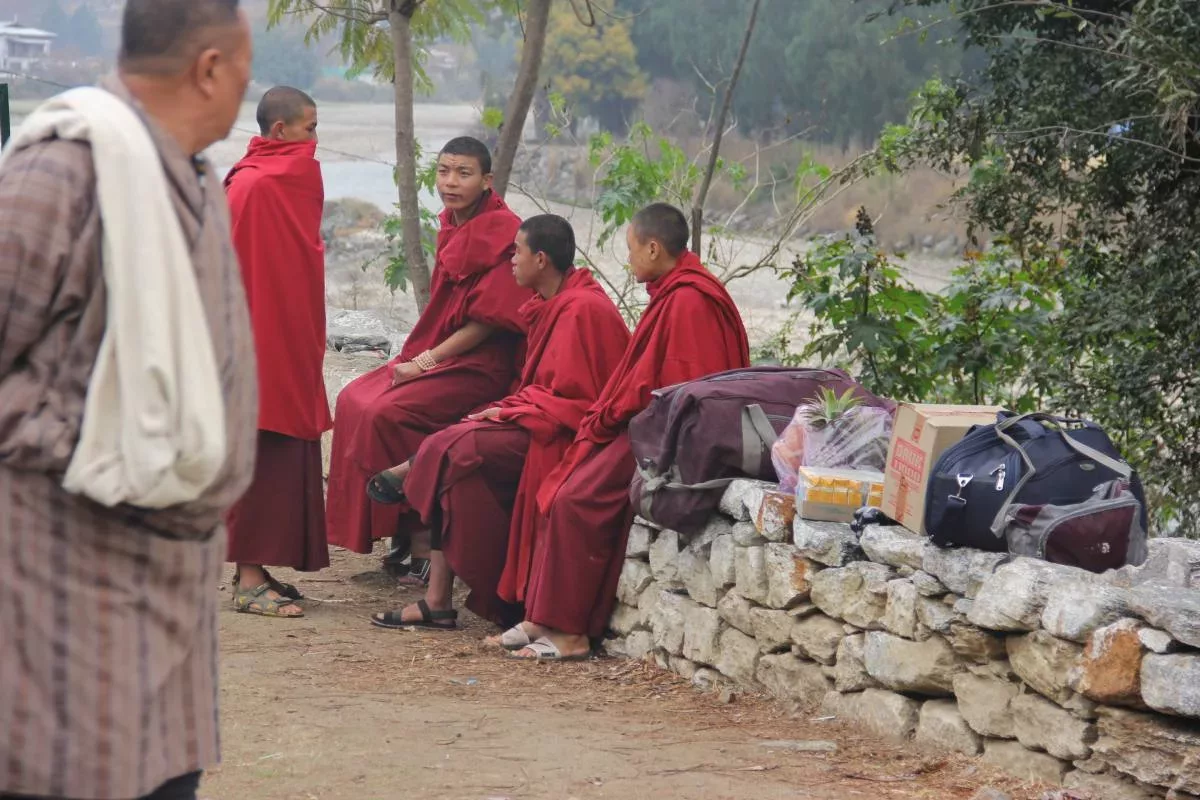
Community participation in Zero Waste Hour program Bhutan

The Benefits of the ‘Zero Waste Hour’ Initiative

The Bhutanese public has welcomed the “Zero Waste Hour” initiative with open arms, as it provides them with an opportunity to contribute towards the country’s efforts in achieving a clean and sustainable environment. It has raised awareness about the importance of waste reduction and responsible waste management, inspiring people to adopt more sustainable lifestyles.

By encouraging people to adopt more sustainable lifestyles, the initiative has helped to reduce the country’s carbon footprint. Bhutan’s waste management strategy aims to adopt a holistic approach that incorporates the reduce, reuse, and recycle principles. The country is also a carbon-neutral nation, and initiatives such as the “Green Bhutan“ project are driving this mission.

Bhutan’s Vision towards a Zero-Waste Nation

The “Zero Waste Hour” initiative is part of Bhutan’s vision to become a “Zero-Waste” nation. With various waste management policies and programs in place, Bhutan has made significant strides towards this goal.

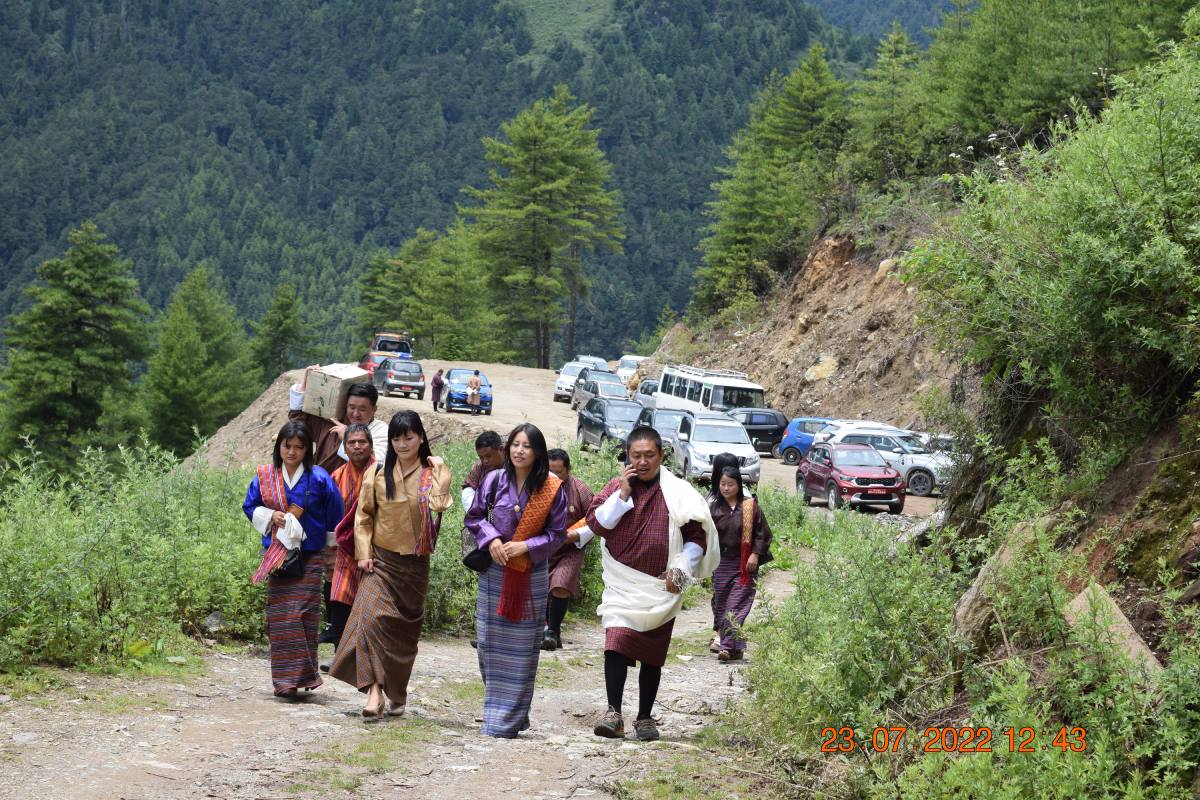
Clean streets campaign during Zero Waste Hour in Bhutan

The Guide Association of Bhutan, under the adept supervision of Founder and Chairman Mr. Garab Dorji, has diligently upheld the observance of “Zero Waste Hour.” This commendable endeavor commenced on June 2nd, 2020, and has not faltered since. In 2021, they orchestrated an extensive cleaning crusade involving over 700 tour guides across all 20 Dzongkhags. The association has been steadfast in their eco-friendly initiatives since 2010 for numerous reasons.

  • Firstly, tour guides serve as a vital representation of the tourism sector; hence, their actions should promote responsible tourism by maintaining pristine tourist sites.
  • Secondly, their commitment extends beyond the realm of tourism, embodying the organization’s social corporate accountability to the society they inhabit.

These laudable acts were conducted during momentous events, such as their Majesty’s birth anniversaries, National Day of Bhutan, International Tourist Guide Day, and other significant national occasions, in addition to the 2nd day of every month.

On March 30th, 2023, the Department of Environment and Climate Change—formerly known as NECS—collaborated with Thimphu Thromde, Thimphu Dzongkhag Administration, Guide Association of Bhutan, Bhutan Red Cross Society, Taxi Association of Bhutan, Desuung Office, and Department of Tourism to inaugurate the first-ever International Zero Waste Day. This momentous occasion entailed a fastidious cleaning and advocacy crusade in Thimphu Throm. The United Nations General Assembly declared March 30th as the International Day of Zero Waste on December 14, 2022, to bolster sustainable consumption and production practices, expedite the transition to a circular economy, and amplify cognizance of how zero-waste endeavors can advance the 2030 Sustainable Development Agenda. The waste industry is a formidable force exacerbating the triple planetary crisis encompassing climate change, biodiversity depletion, and pollution. Implementing zero-waste measures is imperative for fostering judicious waste management and waste reduction, thus mitigating the triple planetary crisis and augmenting the well-being and health of both people and the planet.

Exclusive eco awareness activity promoting waste reduction

How Individuals Can Support the ‘Zero Waste Hour’ Initiative

To sustain the momentum, the Department of Environment & Climate Change has developed a mechanism to encourage and motivate individuals, institutions, and offices to continuously embrace the concept of responsible waste reduction. Participants are invited to share their monthly activities through pictures or reports. The Department also encourages people to share their waste reduction goals or any waste reduction innovation they have instituted, as well as any feedback and recommendations they may have for improving the program. By sharing their activities and ideas, individuals can contribute towards making Bhutan a “Zero-Waste” nation.

Bhutanese people practicing zero waste lifestyle

Inspiring Sustainability through the ‘Zero Waste Hour’ Initiative

In conclusion, the “Zero Waste Hour” campaign is a remarkable initiative towards achieving a clean and sustainable environment in Bhutan. It has inspired people across the country to take responsibility for their waste and adopt more sustainable lifestyles. Bhutan’s commitment to environmental conservation and sustainability sets an excellent example for other countries to follow. With initiatives like the “Zero Waste Hour,” Bhutan is well on its way to becoming a “Zero-Waste” nation.

Sustainable living initiative supporting clean Bhutan

Resident Responsibility: Staying Up-to-Date on Thimphu Thromde’s Municipal Waste Collection Services

For inhabitants of Thimphu Thromde, staying informed about the municipality’s waste collection schedule is imperative. This information can not only guarantee the proper disposal of waste, but also maintain the cleanliness and health of the community.

Happily, Thimphu Thromde regularly updates the details on their waste collection services. You can access the specifics on designated areas, including the days, times, and frequency of the collection, on their official website, www.thimphucity.bt.

Eco friendly habits promoted during Zero Waste Hour

Area Designations for Municipal Waste Collection:

Waste collection services in Thimphu Thromde are provided by three diverse service providers, contingent upon your location. Below are the designated regions and their corresponding service providers:

North Thimphu

If your residency lies in the northern regions of Thimphu Thromde, Clean City is responsible for your waste collection services. They can be reached at 17807636.

For further information on the schedule, kindly check the website’s download.

Core Thimphu

If your dwelling is in the central areas of Thimphu Thromde, Greener Way is responsible for your waste collection services. They can be reached at 17111213.

For further information on the schedule, kindly check the website’s download.

South Thimphu

If your residency is situated in the southern regions of Thimphu Thromde, Green Bhutan Services is responsible for your waste collection services. They can be reached at 77262453/17988334.

For further information on the schedule, kindly check the website’s download.

The Significance of Knowing the Municipal Waste Collection Schedule

Being familiar with the municipal waste collection schedule is of utmost importance for several reasons:

  • Waste Management: The waste collection schedule ensures that waste is disposed of correctly, preventing the accumulation of waste and the resulting pollution and health hazards.
  • Community Cleanliness and Health: Proper waste disposal maintains the cleanliness and health of the community, inhibiting the spread of diseases, unpleasant odors, and unsightly waste buildup.
  • Environmental Conservation: Proper waste disposal protects the environment, hindering the release of harmful chemicals and substances, thereby reducing pollution and its negative impacts on the ecosystem.

Community cleanup drive under Zero Waste Hour initiative

About the Author
Sonam Therchen

Born and raised in the foothills of the Himalayas, I have always been deeply connected to nature, culture, and adventure. Travel has never been just a profession...

See More Info