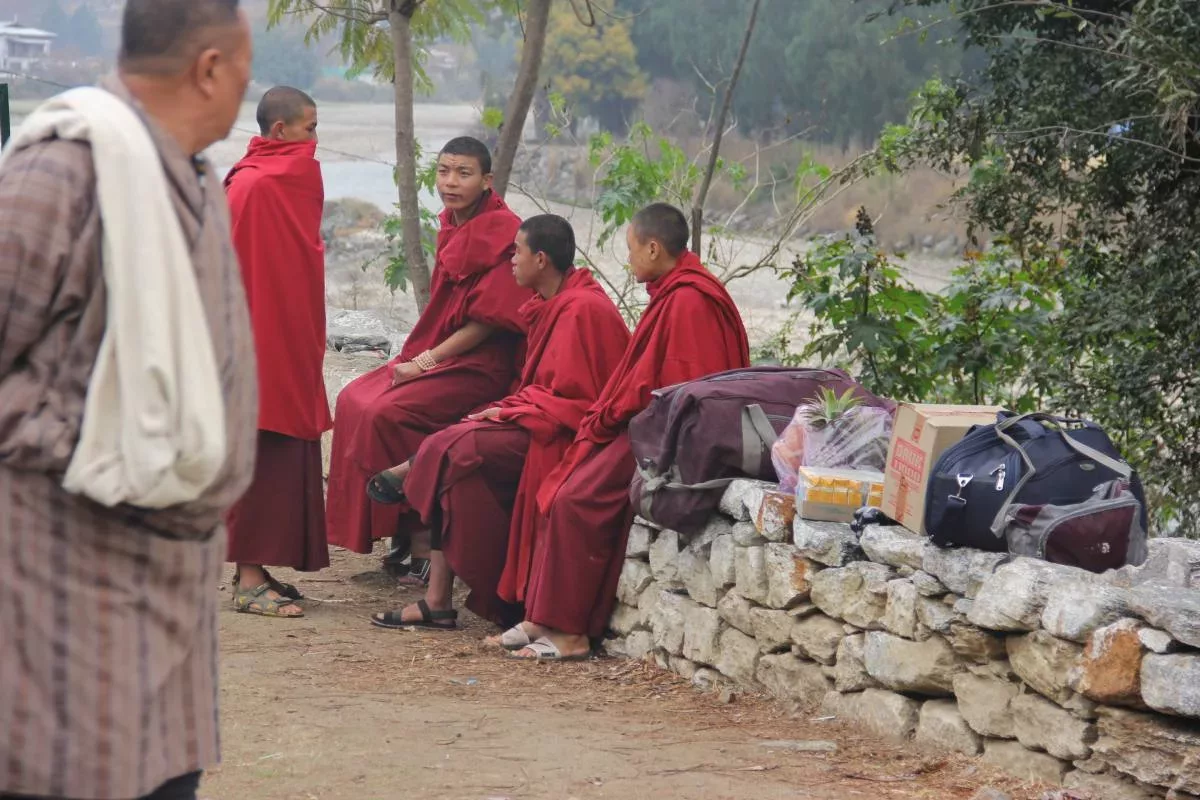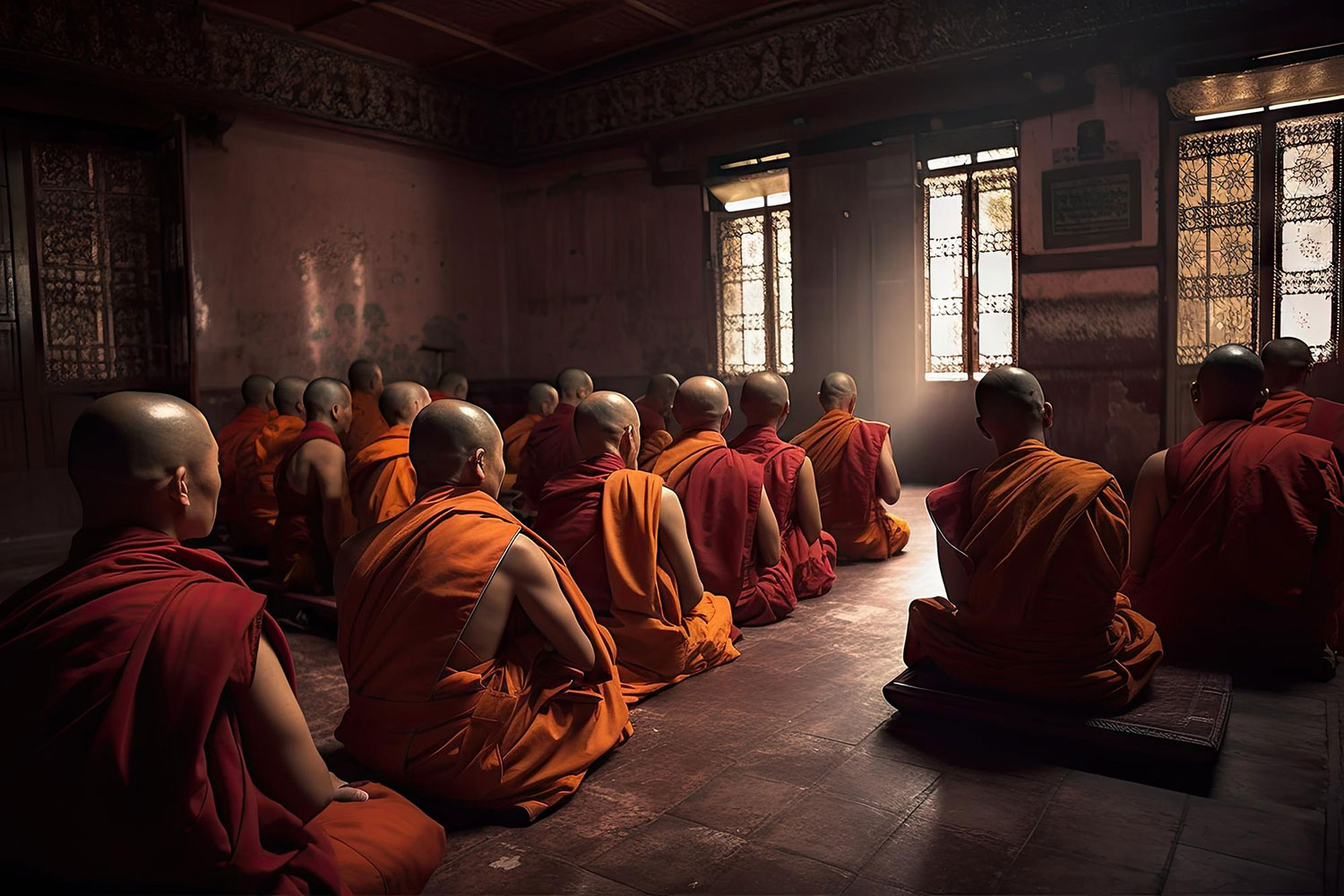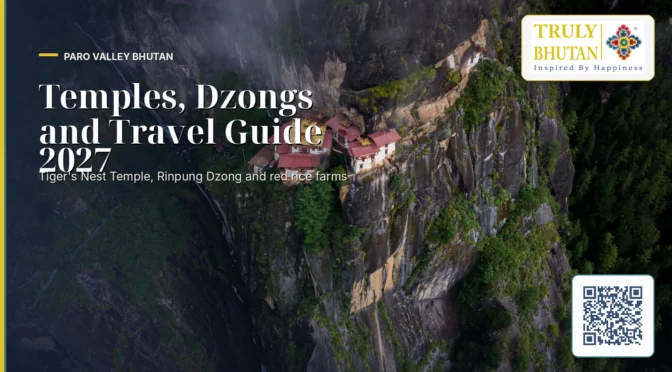
Paro Valley is a 1,293 square kilometre valley in western Bhutan at roughly 2,200 metres. Every international visitor lands here. The valley holds Tiger’s Nest Temple, Rinpung Dzong, and temples dating to 659 AD.
Thank you for reading this post, don't forget to subscribe!Paro works as more than an arrival point. The valley carries the densest concentration of dated religious architecture in Bhutan, from a 7th century temple to a fortress rebuilt and reopened in 2023. Understanding the sequence of those buildings explains most of Bhutanese history in a single valley.
Why Paro Valley Anchors Every Bhutan Itinerary
Paro Valley sits in western Bhutan across 1,293 square kilometres, bordered by Haa to the west, Tibet to the north, Thimphu to the east, and Chukha to the south. The 2017 census recorded 46,316 residents. Paro International Airport, at 2,235 metres, remains Bhutan’s only international gateway.
Truly Bhutan Travel starts almost every route here for a practical reason. Your body needs a night at 2,200 metres before higher valleys. Paro gives you that acclimatisation night alongside the country’s most visited sacred site.
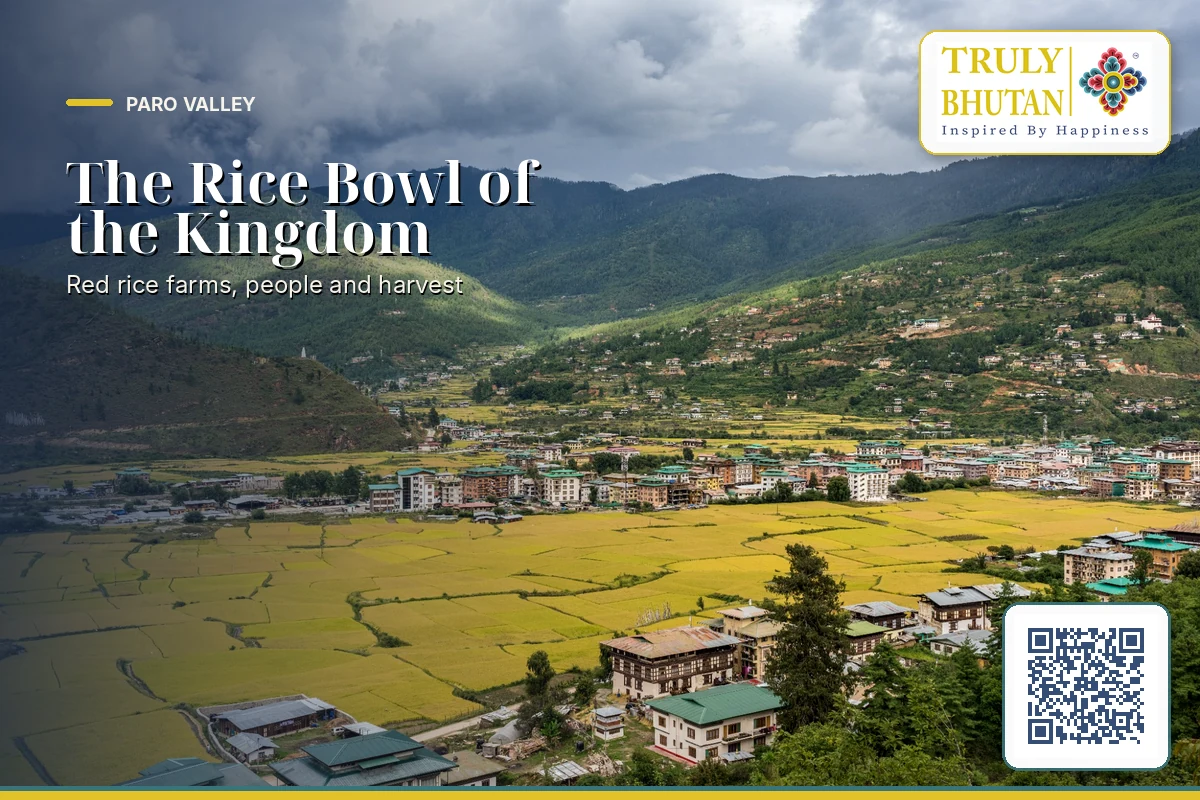
Farmers here produce Bhutan’s benchmark red rice. The valley floor is wide, flat, and irrigated, which is rare in a country of steep gorges. Bhutanese refer to Paro as the rice bowl of the kingdom for reasons of yield, not sentiment.
Tiger’s Nest Temple: Bhutan’s Most Visited Sacred Site
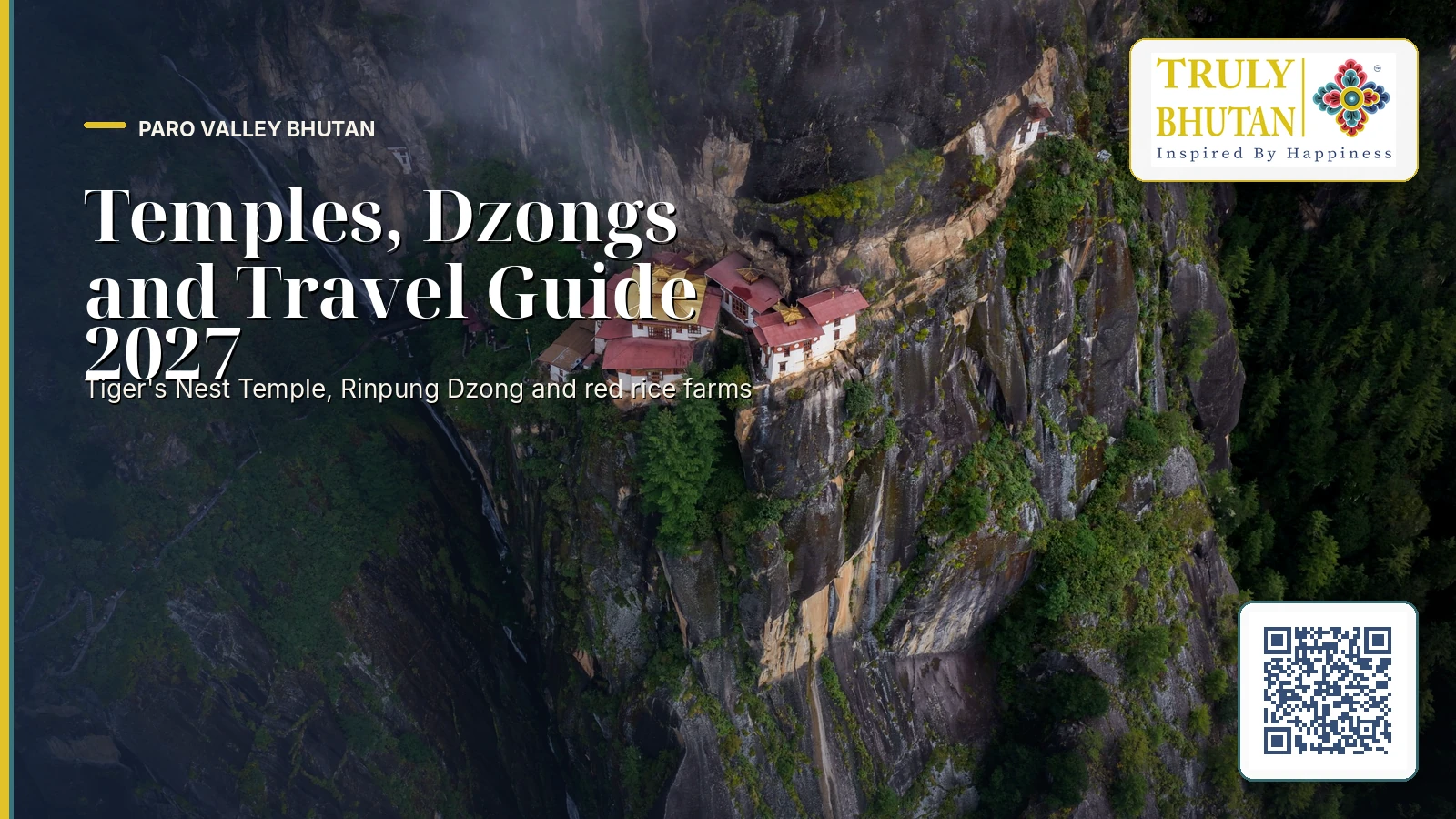
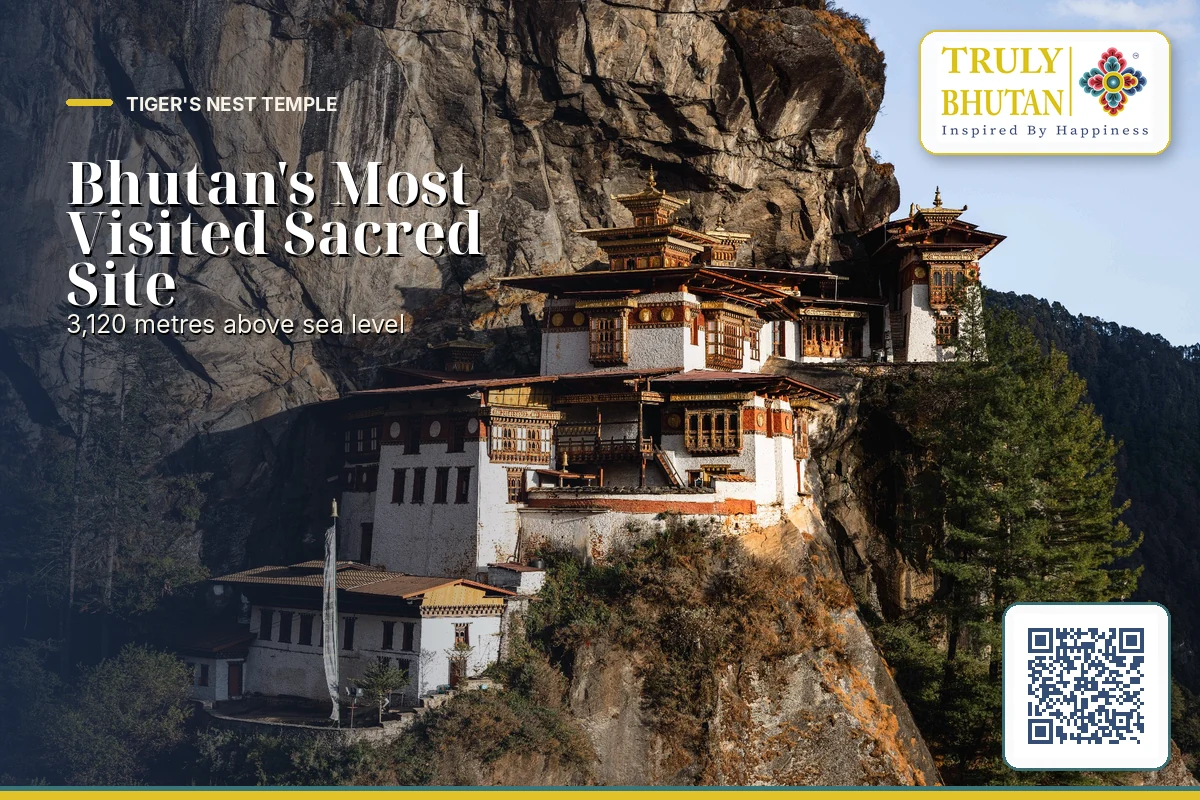
Tiger’s Nest Temple, known as Taktshang, clings to a granite cliff roughly 900 metres above the Paro valley floor, at about 3,120 metres above sea level. The site marks the cave where Guru Padmasambhava is said to have meditated for three months in the 8th century. Legend records his arrival on the back of a flying tigress.
The monastery buildings came much later. Gyalse Tenzin Rabgye, the 4th Desi, ordered construction around the cave in the late 17th century. Fire severely damaged the complex in 1998, and restoration returned the buildings to their earlier form.
How long is the hike to Tiger’s Nest Temple?
The round trip takes four to five hours on foot, covering roughly 900 metres of ascent. Most guests reach the cafeteria viewpoint in about 90 minutes, then continue a further hour to the temple itself. Horses carry guests to the halfway point only, not beyond.
Truly Bhutan Travel schedules the climb for the second or third day of a trip, never the arrival day. Your acclimatisation matters more than your fitness at this altitude.
Rinpung Dzong and Drukgyel Dzong: Two Working Fortresses
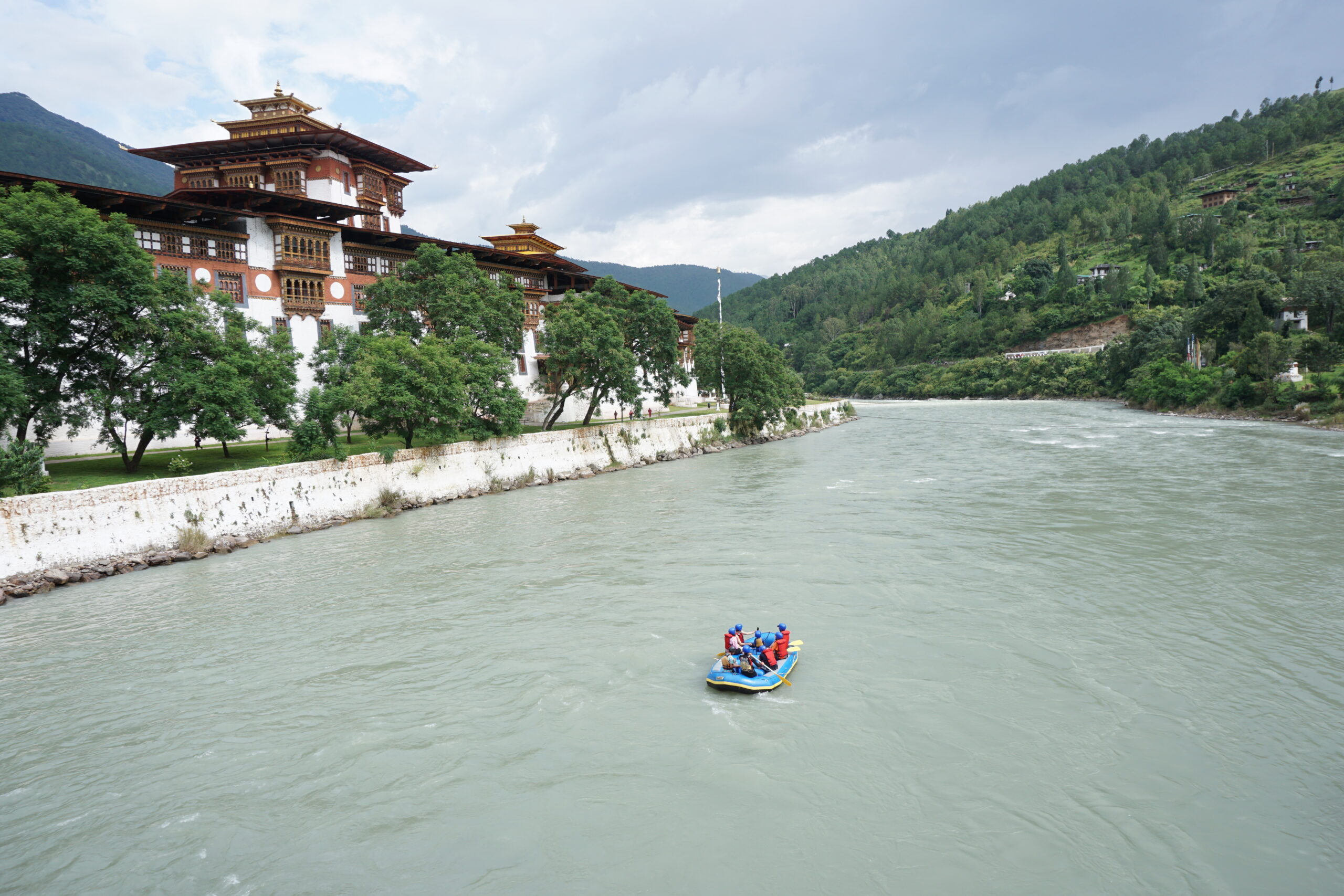
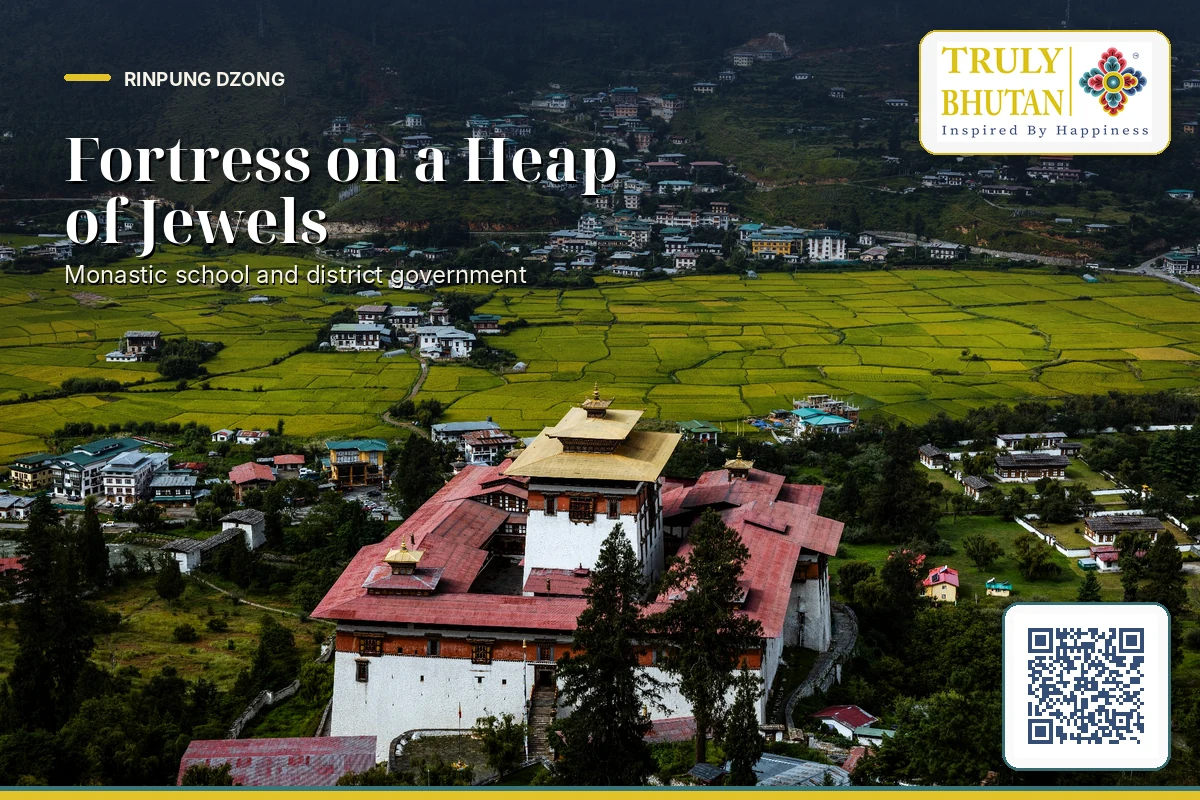
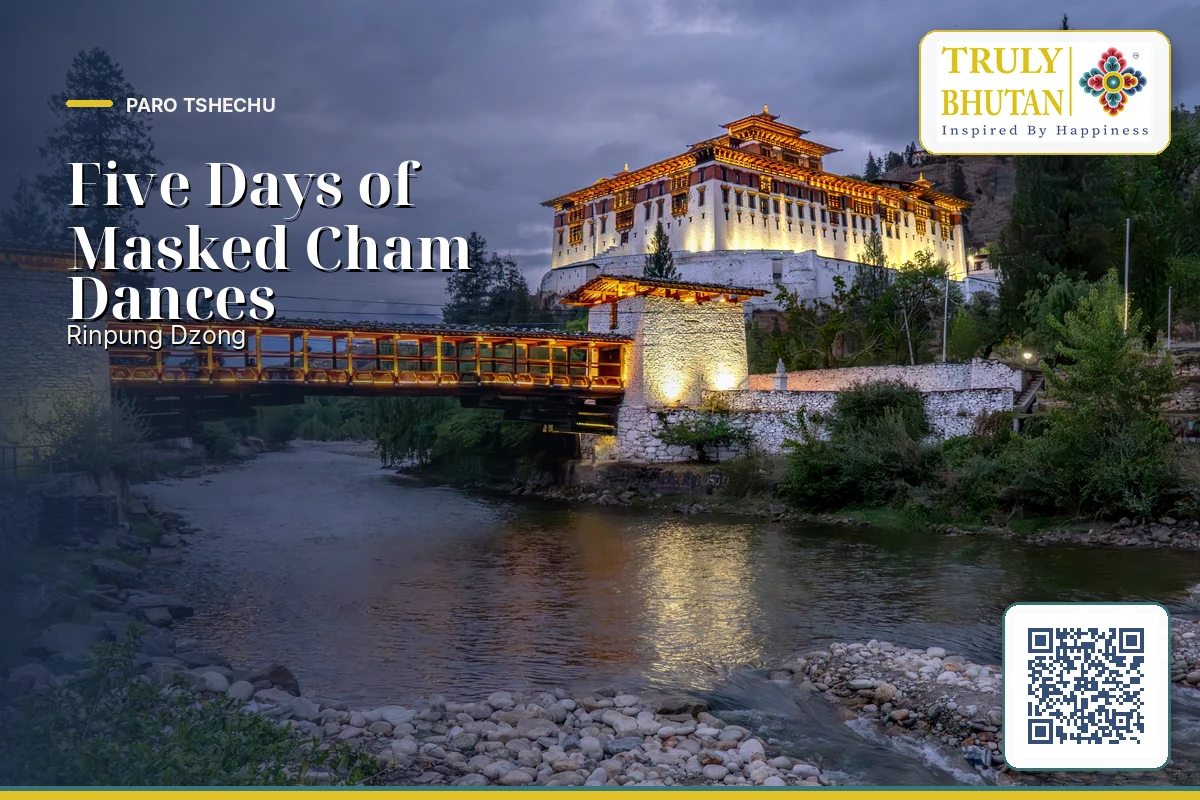
Rinpung Dzong, meaning fortress on a heap of jewels, functions today as both a monastic school and the seat of district government. The district administrator’s office and the district judiciary both operate inside the walls. Zhabdrung Ngawang Namgyel consecrated the dzong in 1644.
Drukgyel Dzong stands 14 kilometres north of Paro town on a ridge commanding the route from Tibet. Zhabdrung built the fortress in 1649 to mark victory over a combined Tibetan and Mongol invasion force in 1644. Fire destroyed the structure in 1951.
Reconstruction began in February 2016 by royal command, marking the birth of the Gyalsey. Work finished at the end of 2023 at a cost of roughly Nu 451 million. Older guidebooks still describe ruins, so treat any pre-2024 description as outdated.
A Note on Older Sources
Bhutan’s heritage record changes faster than published guidebooks. Verify restoration status, entry rules, and photography permissions before travel. Truly Bhutan Travel confirms access conditions with each site administration ahead of every departure.
The Temples of Paro: A 1,400-Year Record
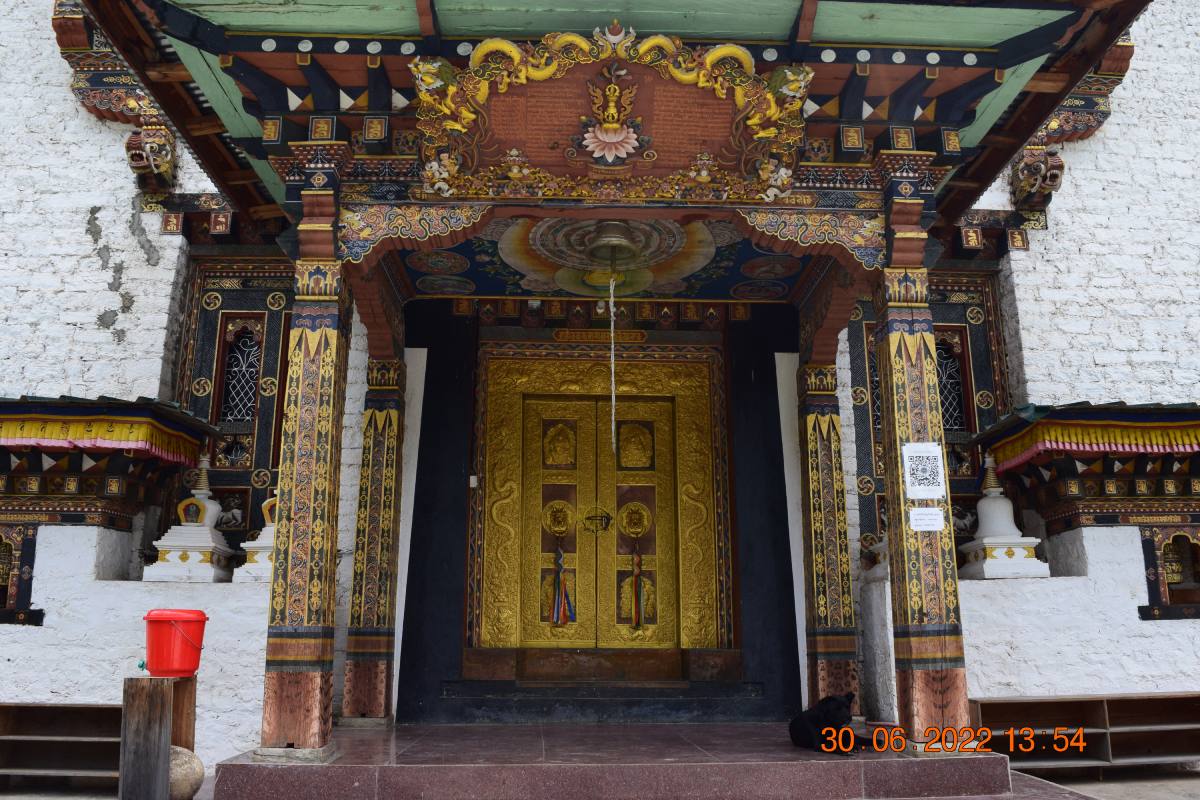
Kyichu Lhakhang at Kyichu is the oldest structure in the valley, attributed to Tibetan king Songtsen Gampo in 659 AD. Bhutanese tradition counts the temple among 108 built by the king across the Himalaya in a single day. Guru Padmasambhava and Phajo Drugom Zhigpo both visited later.
The valley’s other temples map a clear historical sequence.
| Temple | Founder | Period |
|---|---|---|
| Kyichu Lhakhang | Songtsen Gampo | 659 AD |
| Ragoedrak and Dzongdrakha Goemba | Guru Padmasambhava | 8th century |
| Goensakha and Jangsabi Lhakhang | Pha Drung Drung | 14th century |
| Dungtse Lhakhang | Thangtong Gyalpo | 1433 |
| Tachog Lhakhang | Dewa Zangpo | 15th century |
| Kunzang Chholing Lhakhang | Terton Dorji Jonpa | 15th century |
| Druk Choeding Lhakhang | Ngawang Chogyal | 1529 |
| Gorina Lhakhang and Kila Goemba | Drupthob Paw Dorji | 16th century |
| Sangchen Choekhor Goemba | Rebuilt on Zhabdrung speech-incarnation seat | 1763 |
Dungtse Lhakhang deserves attention for shape alone. The circular chorten-style building echoes the black hat worn by Bhutanese Zhanag dancers. Thangtong Gyalpo, the engineer-saint known across the Himalaya for iron chain bridges, built the temple in 1433.
He also extracted iron ore from Woochu village in Paro. That ore supplied suspension bridges across Bhutan and Tibet. His son Dewa Zangpo later founded Tachog Lhakhang, fulfilling a vision his father recorded during meditation.
Paro Tshechu: Dates and What Happens
Paro Tshechu runs for five days from the 10th to the 15th day of the second Bhutanese lunar month, usually late March or April. The 2026 festival ran from 29 March to 2 April at Rinpung Dzong. Sources place the 2027 festival in the second half of March, with final dates confirmed by the Department of Tourism closer to the time.
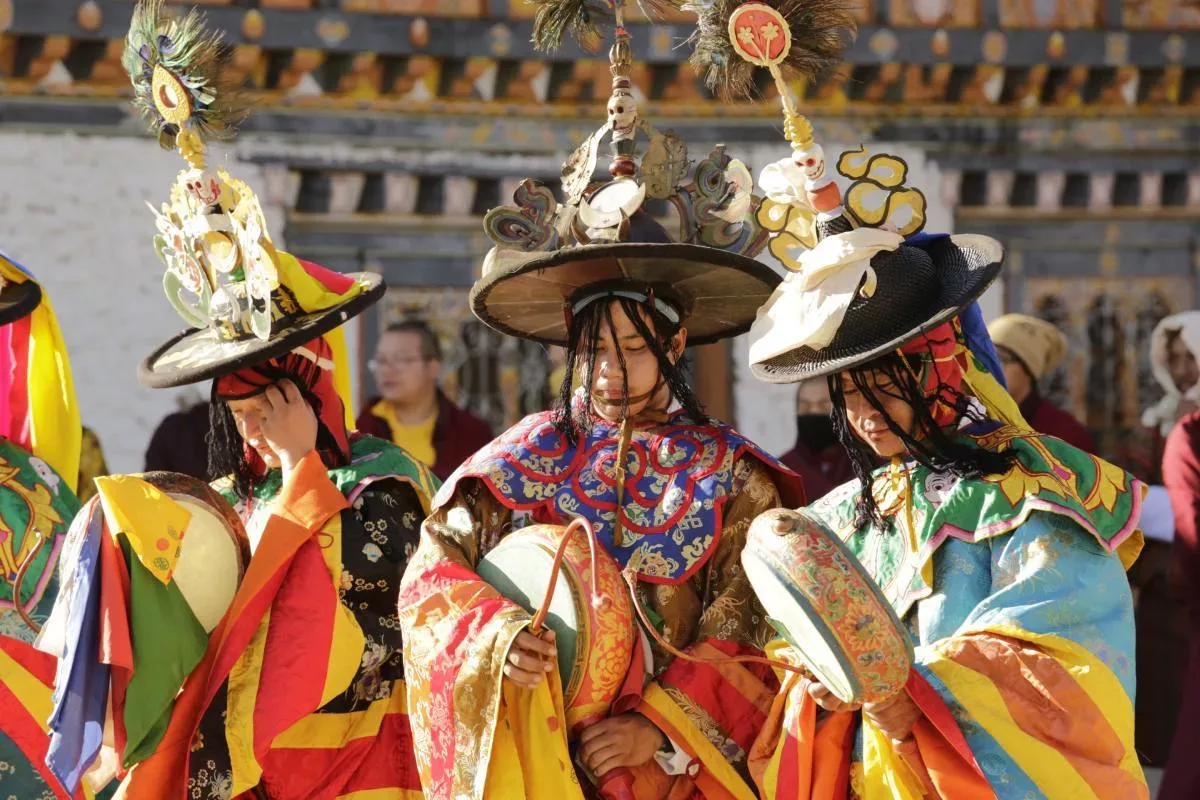
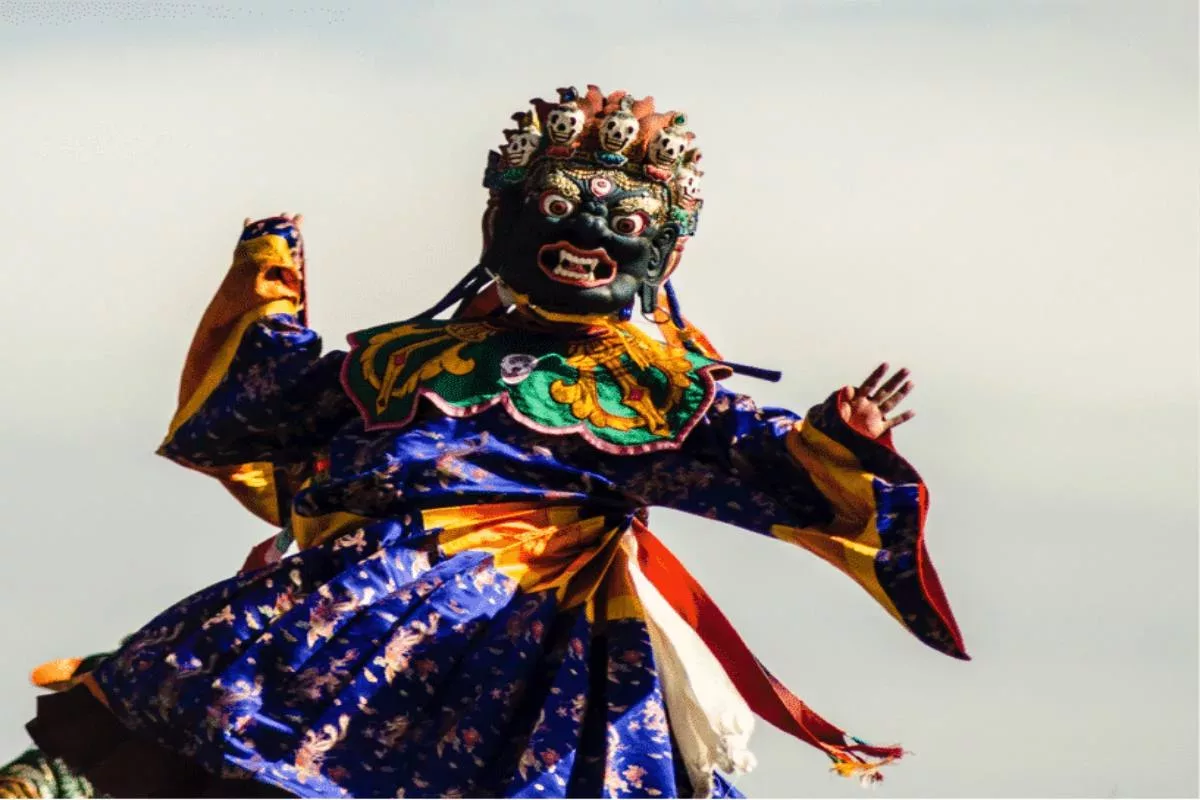
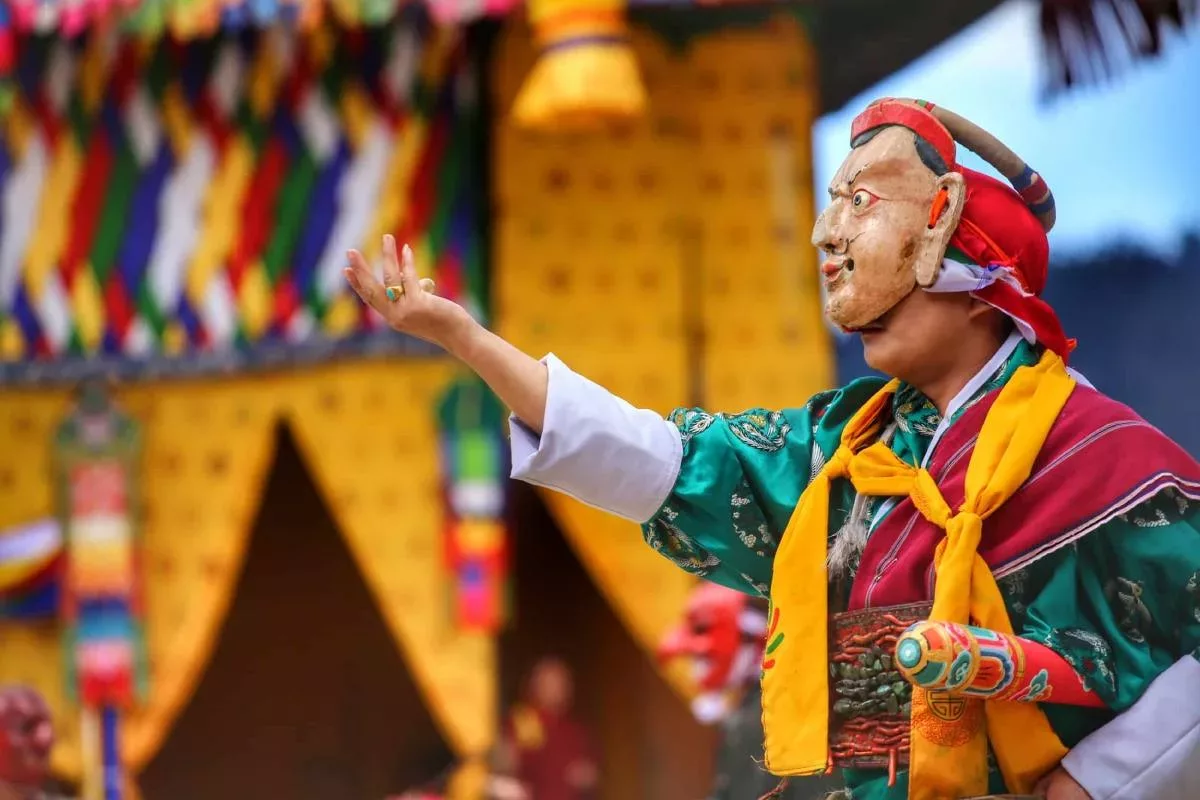
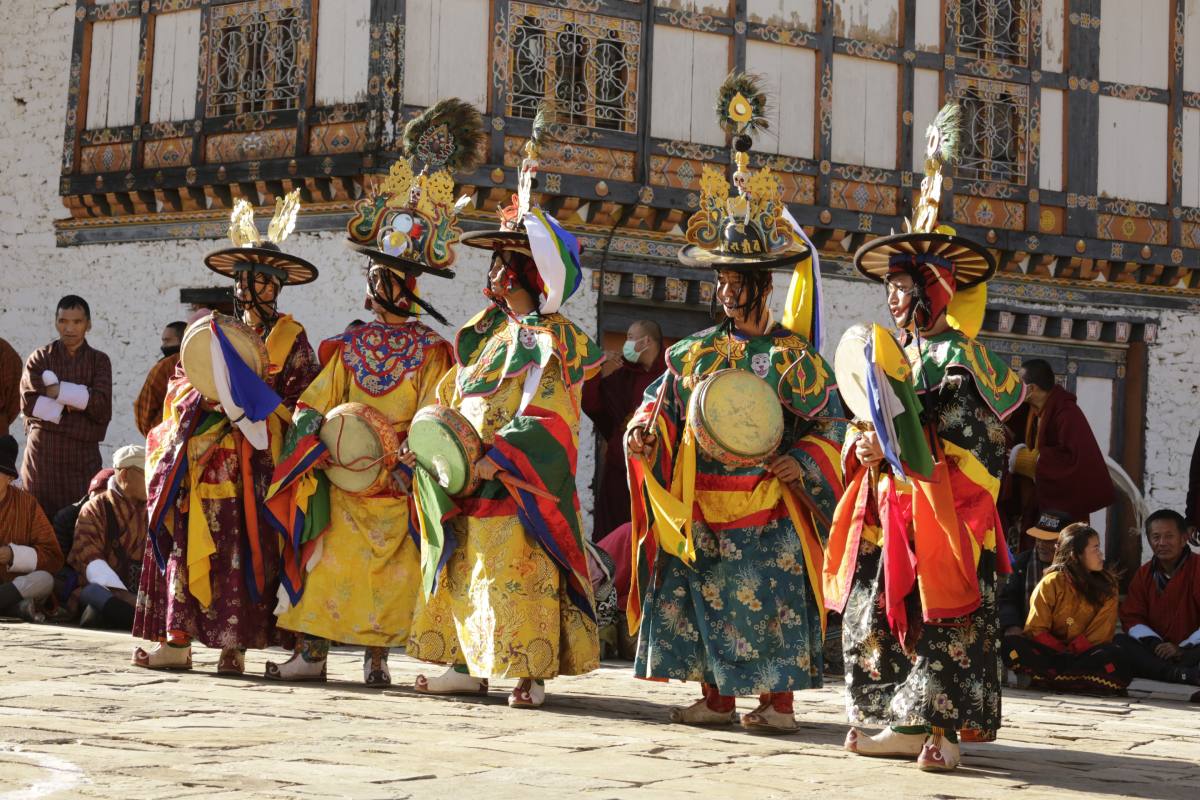
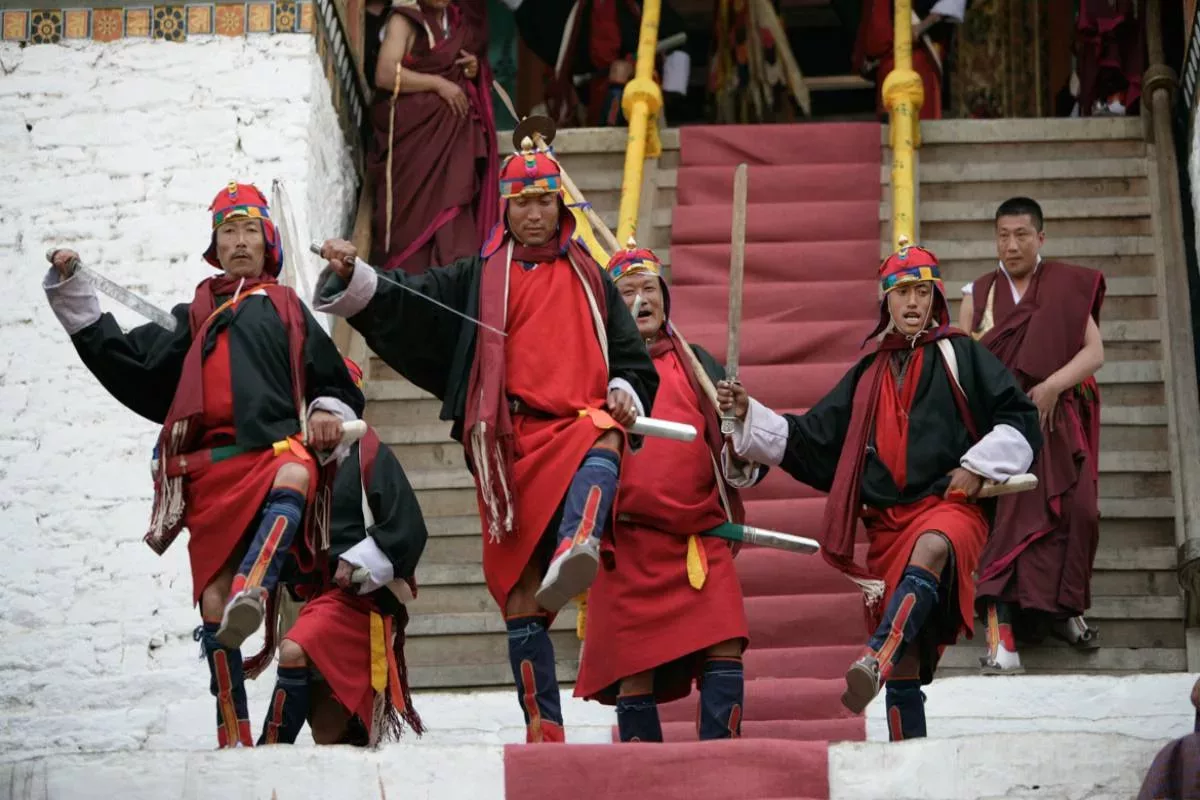
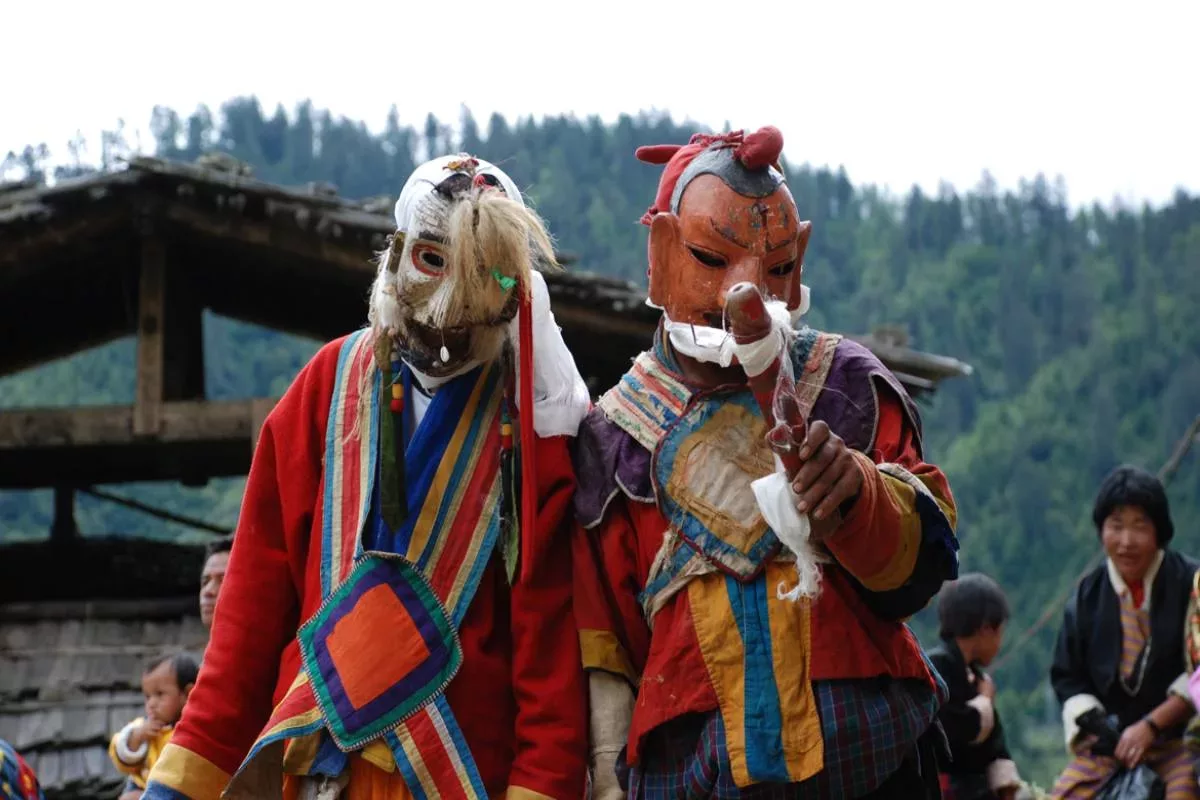
Masked cham dances carry Buddhist moral teaching through performance. Monks and laymen perform in silk brocade, re-enacting visions recorded by Bhutanese saints. Bhutanese families attend in their finest kira and gho.
The final morning holds the ceremonial peak. Attendants unfurl the giant Guru Thongdrel before sunrise, and the crowd receives blessing from a single viewing. Wochubi Zhey, a folk dance commemorating historical events, closes the celebration.
Truly Bhutan Travel books festival accommodation twelve months ahead. Paro hotel inventory sells out faster during Tshechu week than at any other point in the year.
Where to Stay in Paro
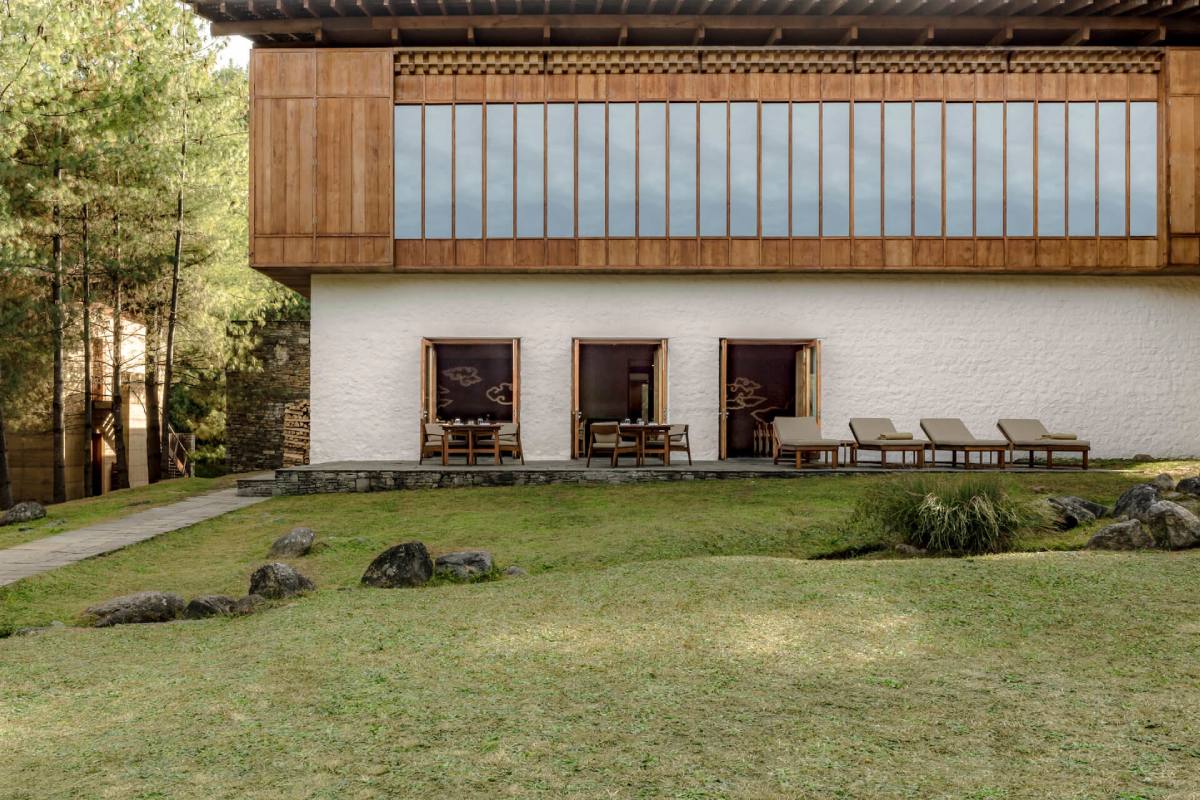
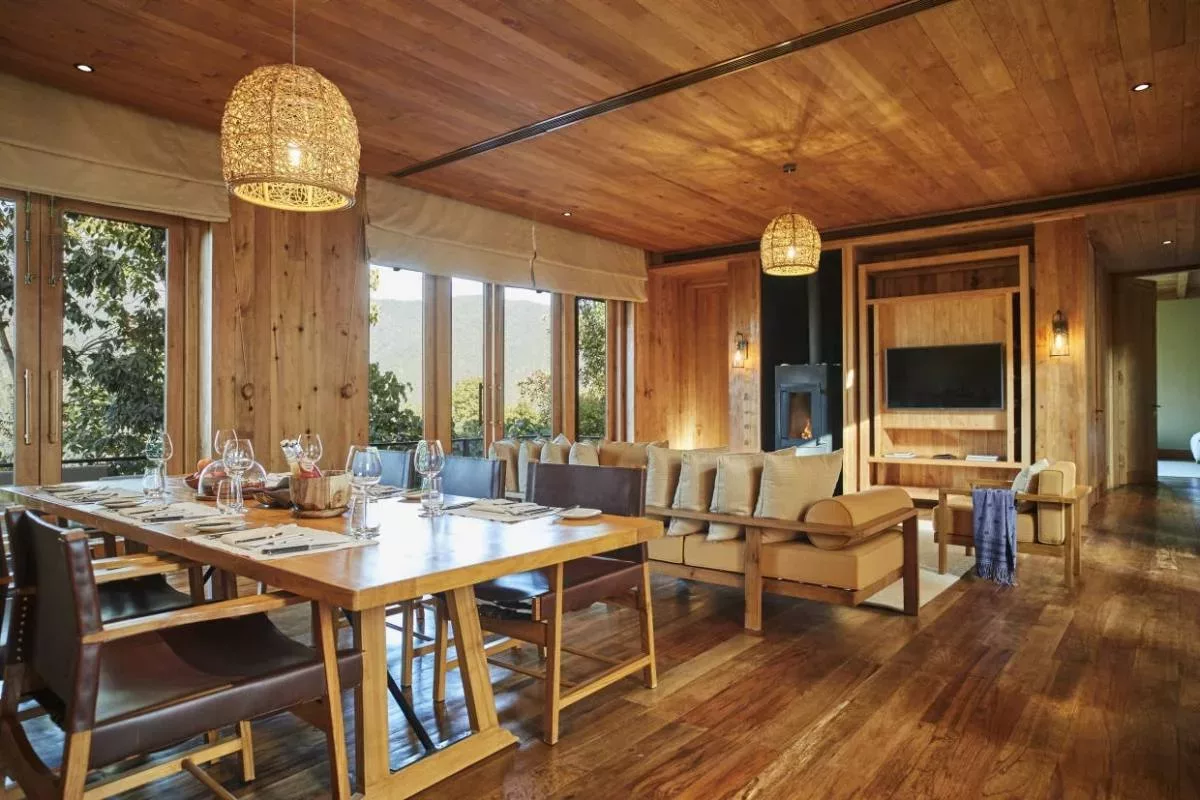
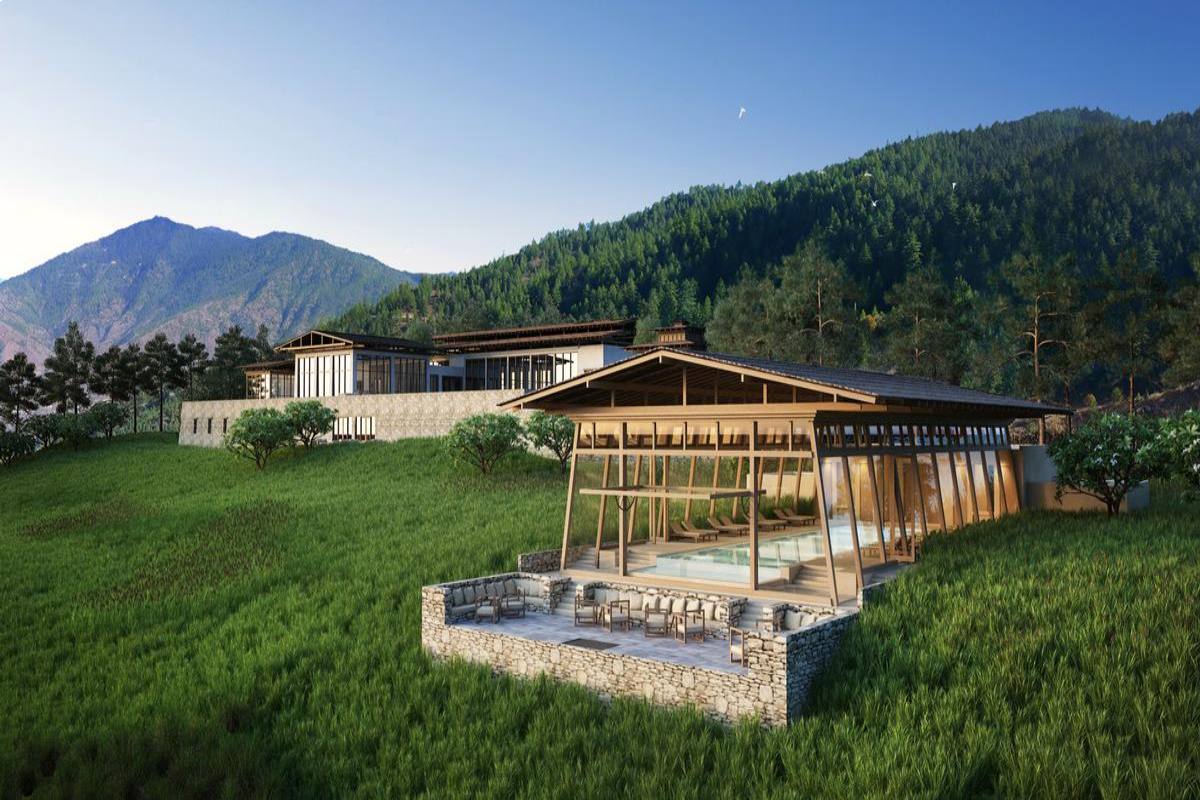
Paro holds the deepest luxury hotel inventory in Bhutan. Your choice shapes cost more than any other single decision on a Bhutan trip.
| Tier | Properties | Best for |
|---|---|---|
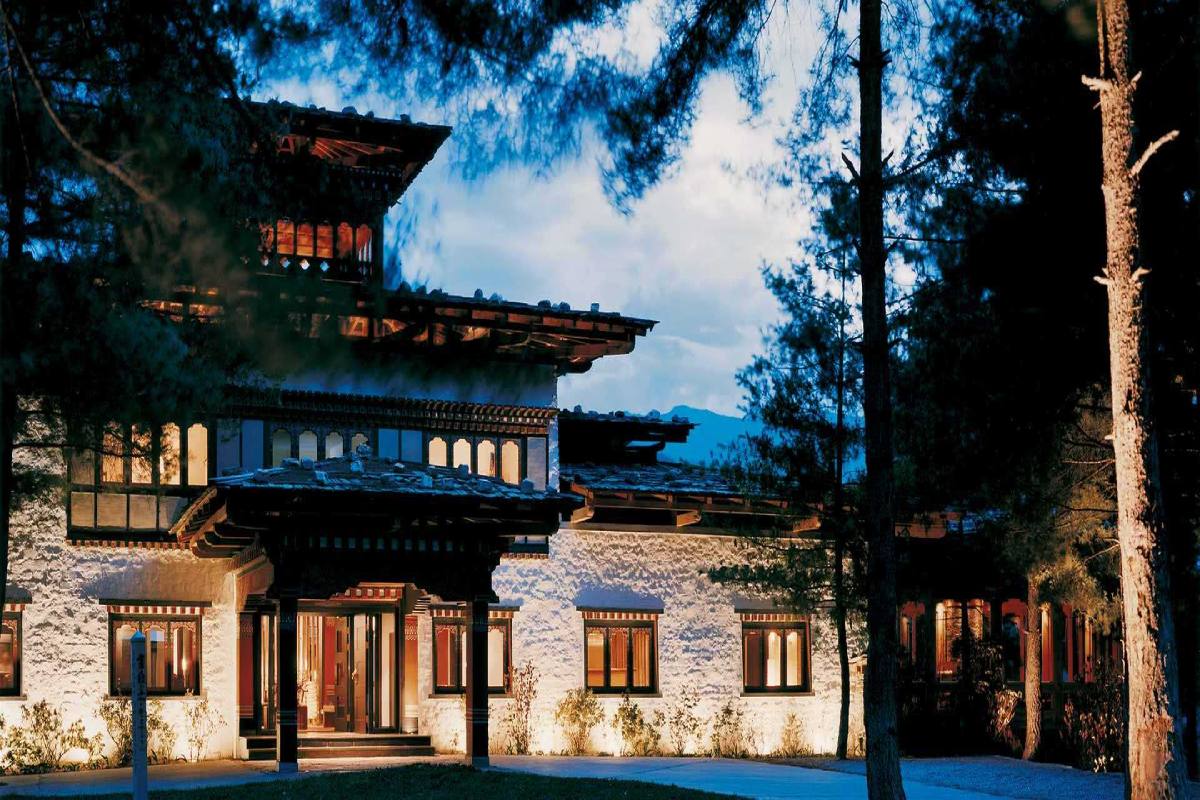
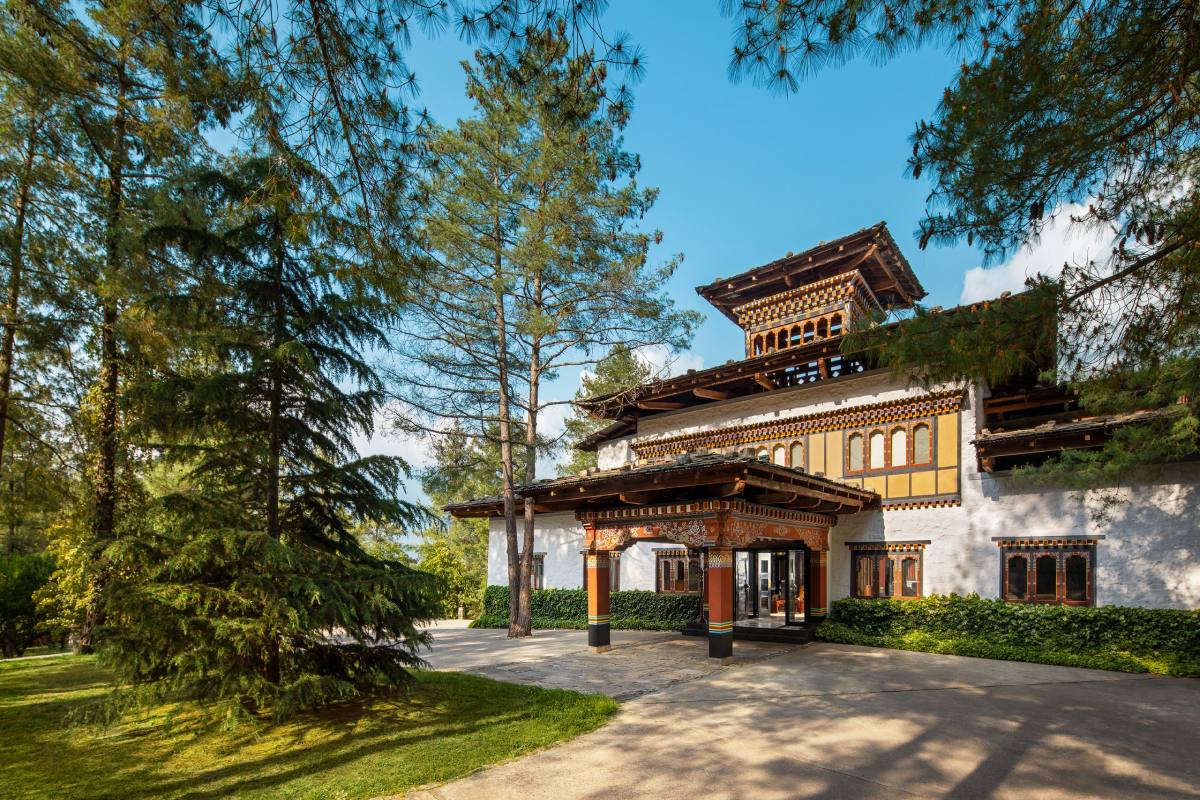
| International luxury | Amankora Paro, Six Senses Paro, COMO Uma Paro | Lodge-to-lodge circuits, spa and wellness programmes |
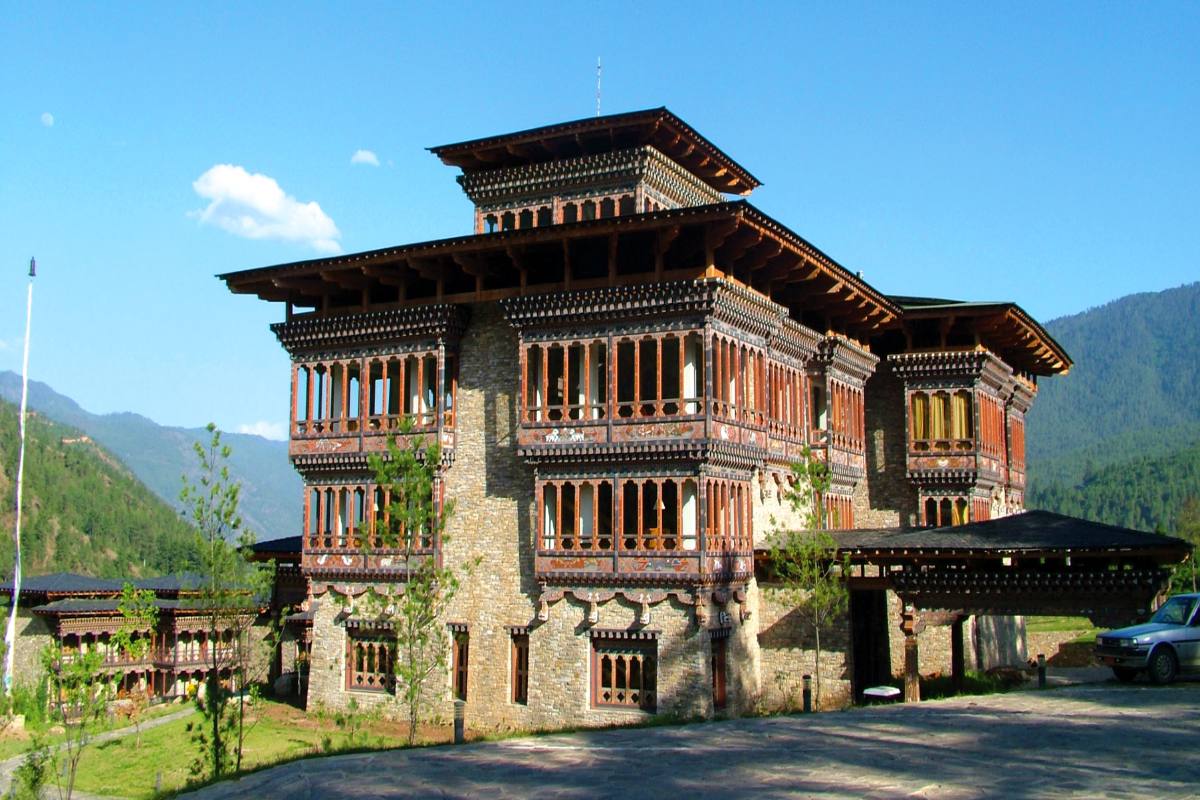
| Bhutanese heritage luxury | Zhiwa Ling Heritage | Traditional craftsmanship, hand-carved interiors, private temple |
| Premium boutique | Naksel Boutique Hotel, Dhey Kyed Resort | Valley views, quieter settings, mid-tier budgets |
| Established three-star | Olathang Hotel, Gangtey Palace, Kyichu Resort | Classic Bhutanese hospitality, central access |
Tourism reshaped the valley economy over two decades. One consequence carries cultural weight. Pottery, thangka scroll painting, and traditional bootmaking recovered demand through visitor interest after modernisation had reduced all three to near disappearance.
The Parops: People, Harvest and New Year
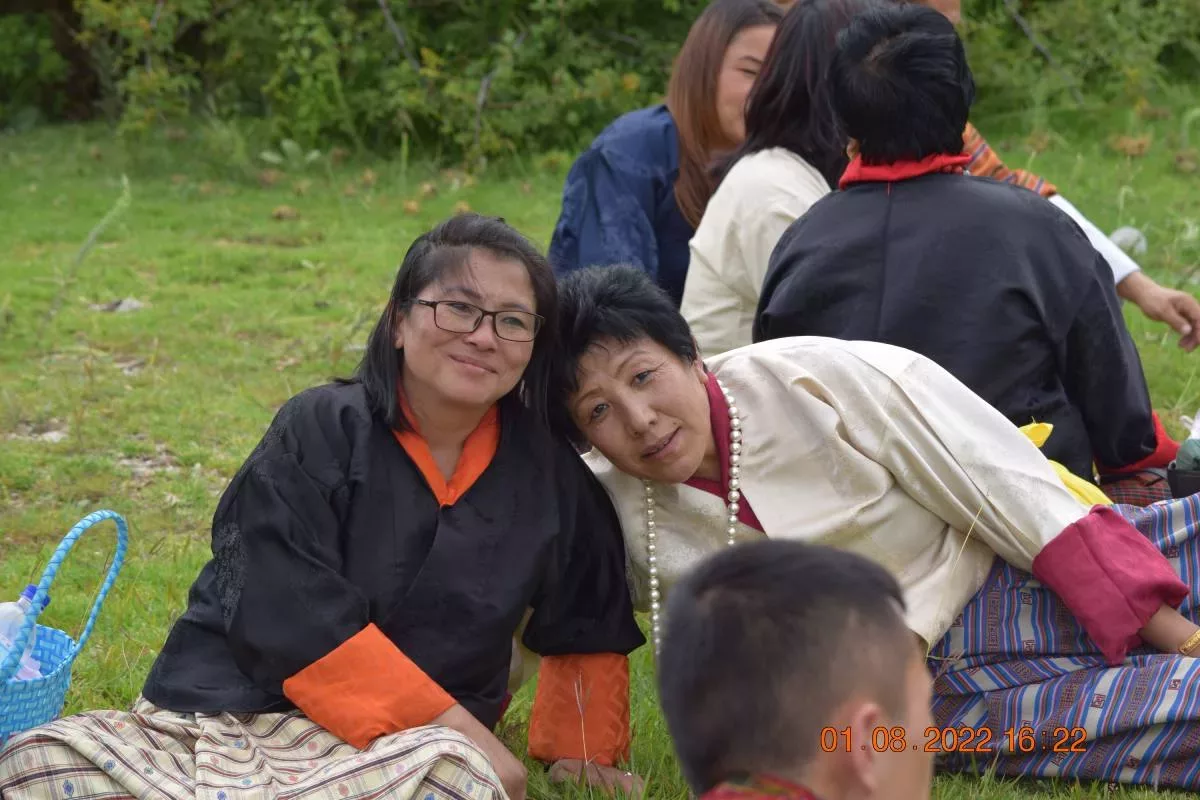
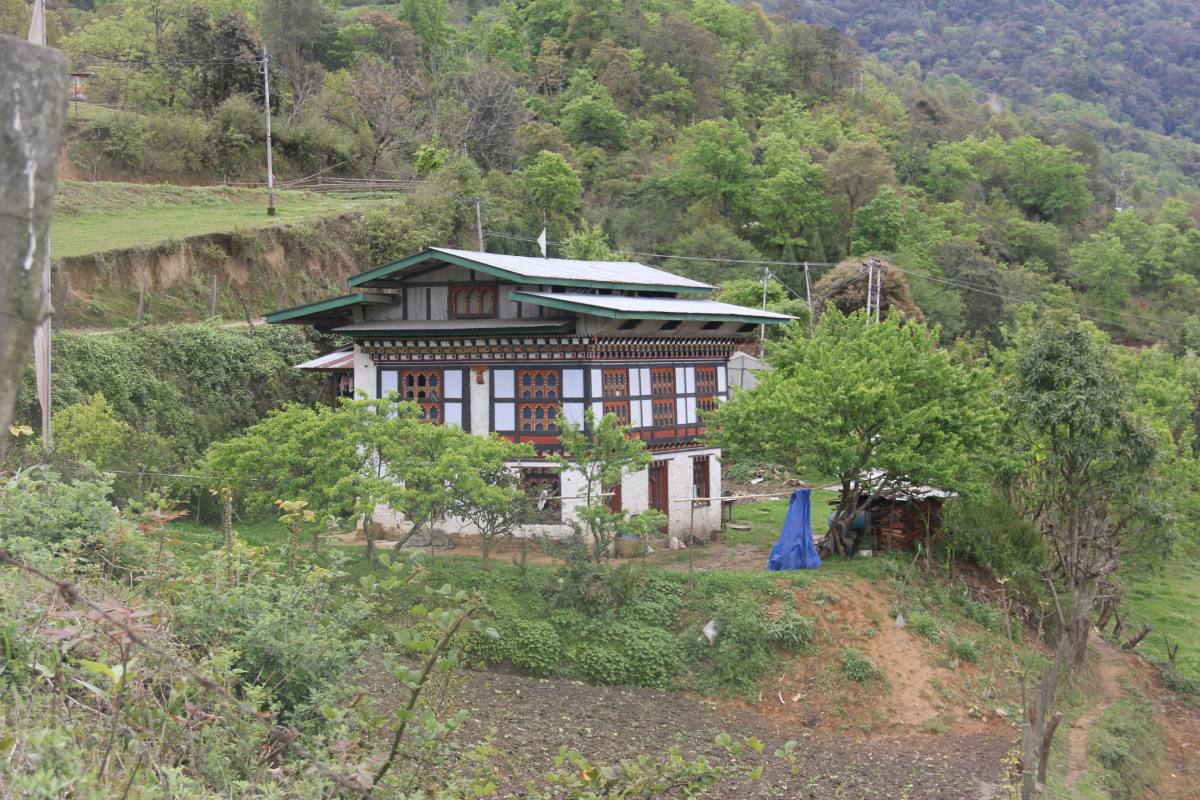
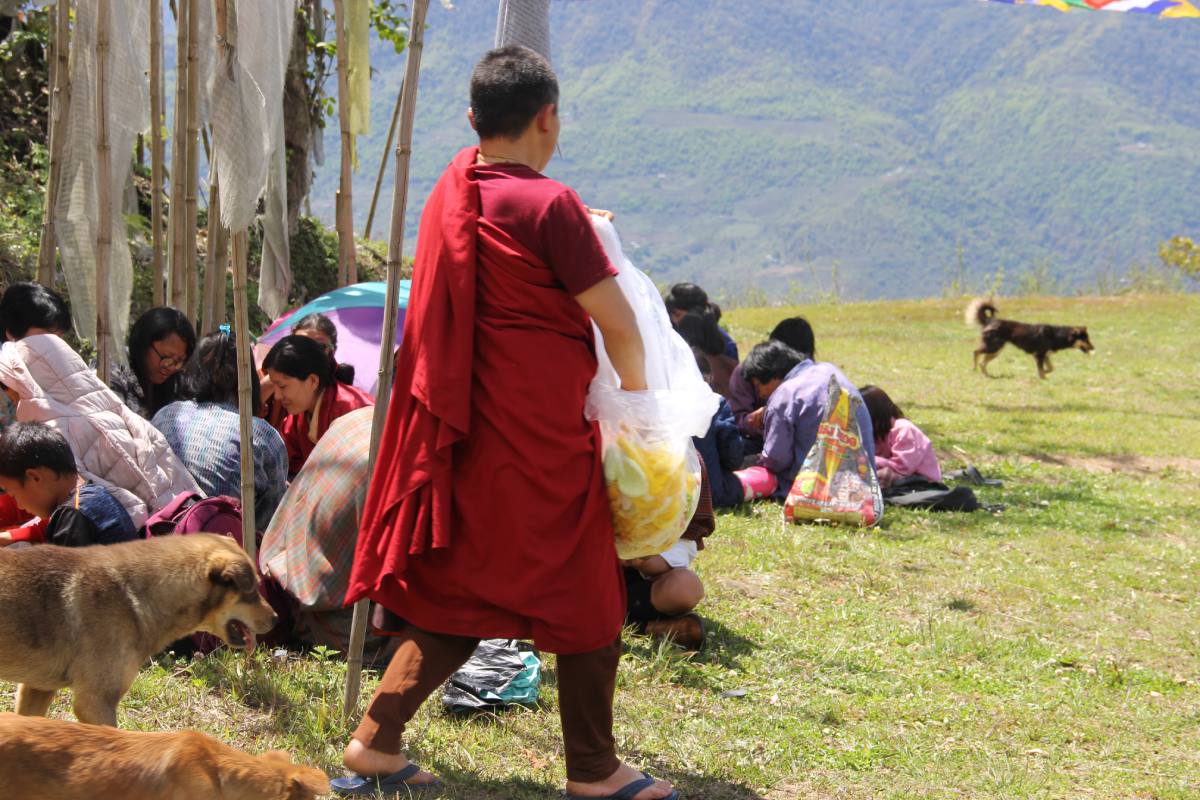
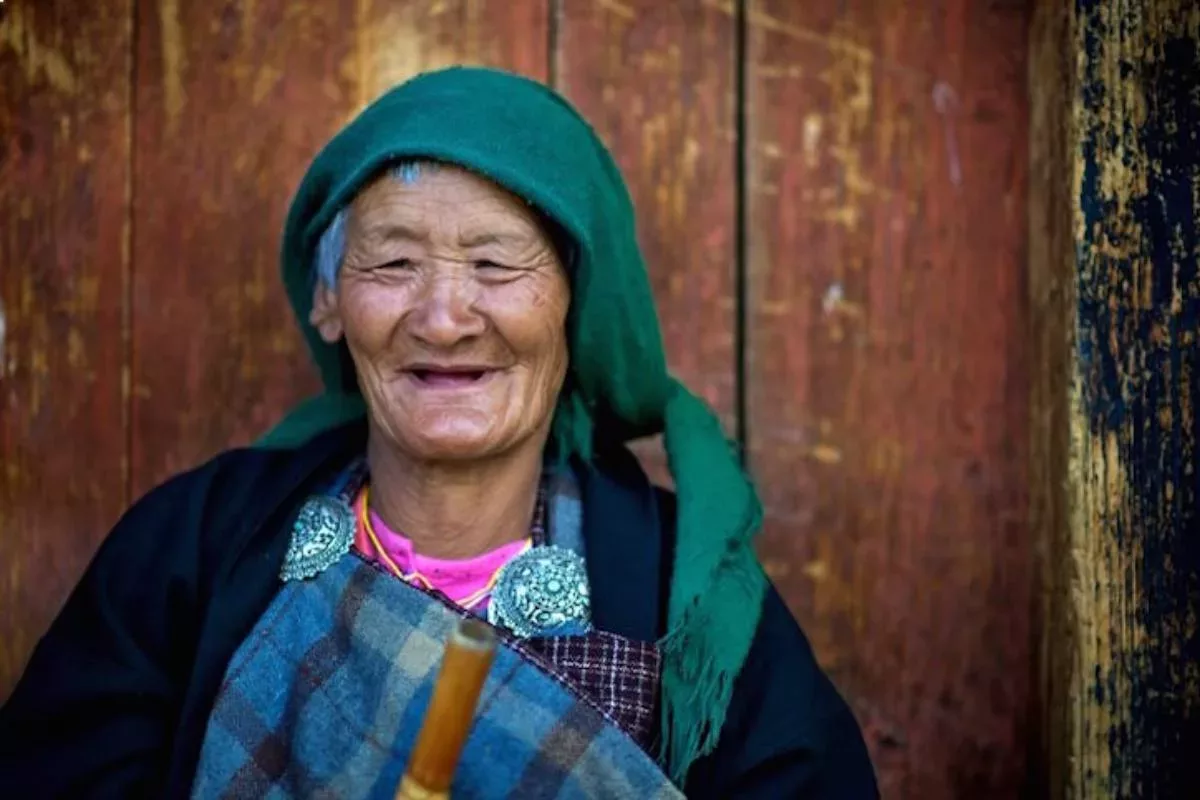
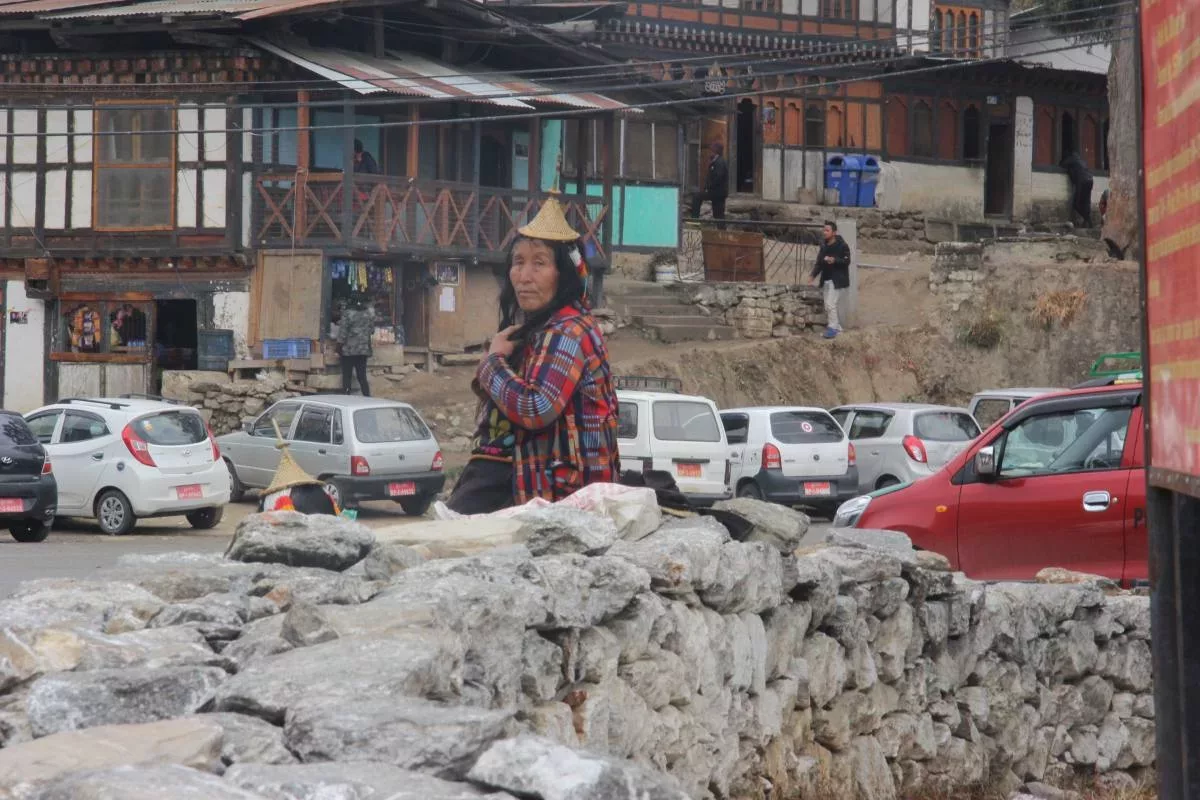
Parops, the valley’s original settlers, hold a national reputation for industriousness. Their working year turns on the red rice cycle, from spring transplanting to autumn harvest. Terraced paddies fill the valley floor from Bondey to Drukgyel.
Parops celebrate their new year on the 29th day of the tenth Bhutanese lunar month, matching neighbouring Haa. Families gather to share the harvest and conduct protective rituals for the year ahead. Smaller ceremonies honour local guardian deities through the rest of the calendar.
Ta Dzong, the former watchtower above Rinpung Dzong, houses the National Museum. The collection remains the principal repository of Bhutanese material history.
Planning Your Visit to Paro
Follow these five steps in order.
- Fix your travel window first. Spring from March to May brings festival season and rhododendron bloom. Autumn from September to November delivers the clearest Himalayan views.
- Confirm the festival date before booking flights. Lunar dates shift each year and move by weeks, not days.
- Book accommodation twelve months ahead for Tshechu week and peak autumn dates.
- Budget the Sustainable Development Fee at USD 100 per person per night, separate from tour cost.
- Appoint a licensed Bhutanese operator. Bhutan requires all international visitors to travel with a registered operator and licensed guide.
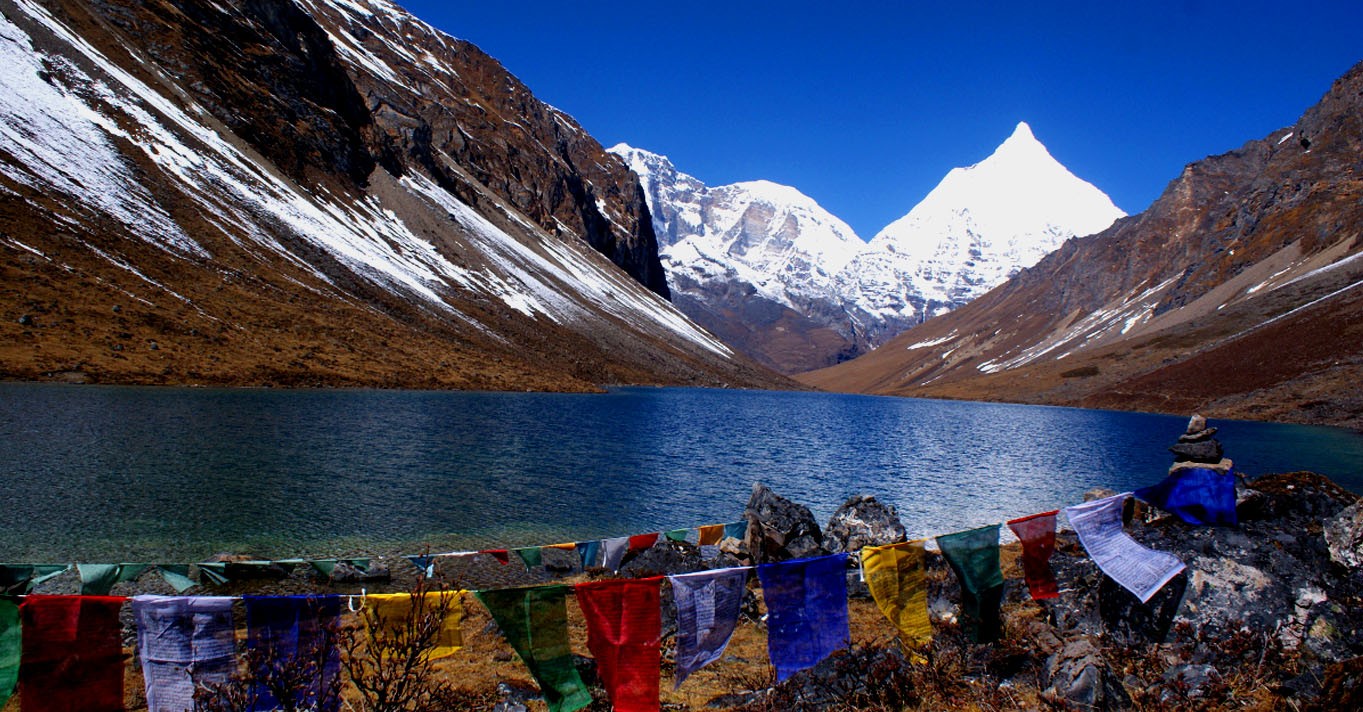
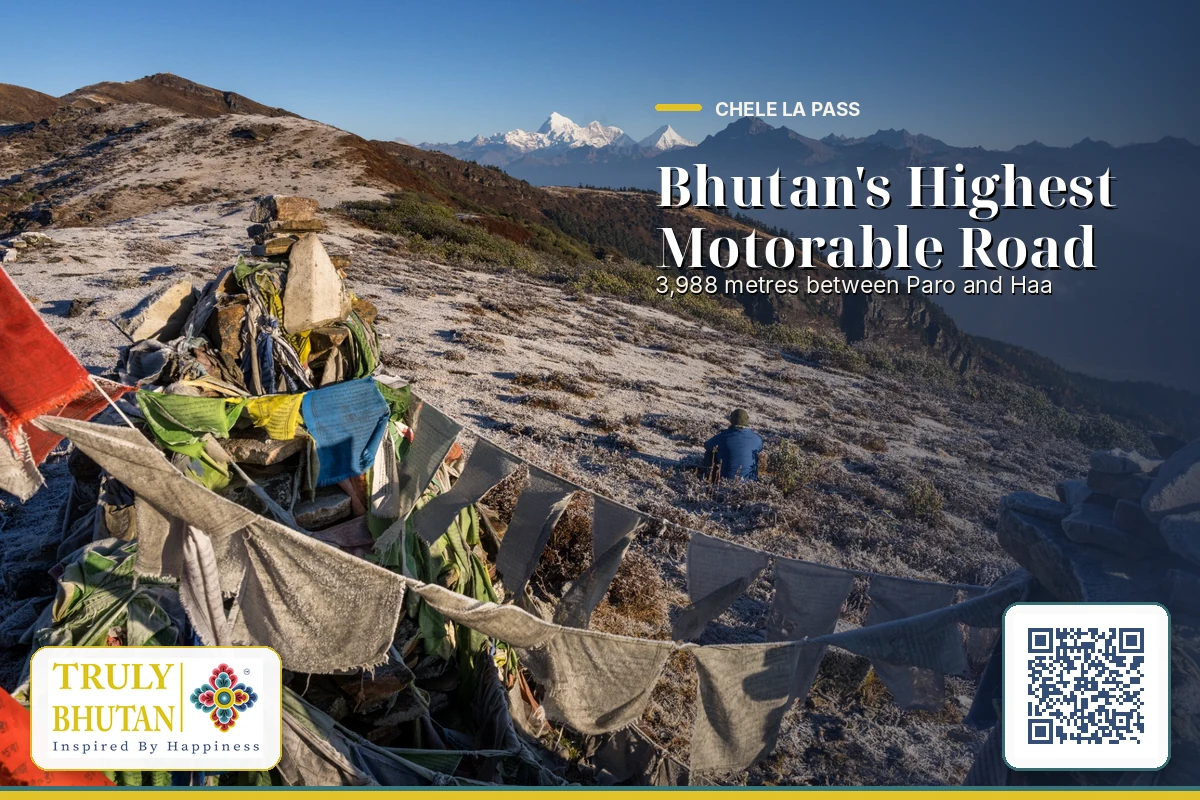
Chele La pass, at roughly 3,988 metres, sits between Paro and Haa and marks Bhutan’s highest motorable road. Prayer flags line the ridge. Add the drive as a half day from Paro if your schedule allows.
Frequently Asked Questions
How many days do you need in Paro?
Two to three nights suit most first visits. One day covers Rinpung Dzong, Kyichu Lhakhang, and the National Museum. A second full day covers the Tiger’s Nest Temple hike. Add a third night for Chele La pass and Drukgyel Dzong without rushing the schedule.
Is Tiger’s Nest Temple hard to climb?
The hike suits anyone with reasonable fitness and a full day. Ascent runs to roughly 900 metres over well-maintained trail, with a cafeteria at the halfway point. Altitude affects people more than gradient does. Spend two nights in Bhutan before attempting the climb.
Do you need a guide to visit Paro?
Yes. Bhutan requires every international visitor to book through a licensed Bhutanese tour operator and travel with a licensed guide. Independent sightseeing is not permitted. Indian, Bangladeshi, and Maldivian nationals follow separate entry rules through regional arrangements.
When is Paro Tshechu 2027?
Paro Tshechu 2027 falls in the second half of March, following the 10th to 15th day of the second Bhutanese lunar month. The Department of Tourism confirms exact dates closer to the year. Confirm with Truly Bhutan Travel before booking international flights.
What makes Paro red rice different?
Paro red rice grows in mineral-rich glacial meltwater on terraced valley floor paddies. The grain keeps a russet husk, a nutty flavour, and a semi-milled texture. Bhutanese households treat the Paro harvest as the national benchmark for quality.
Bottom Line
Paro compresses 1,400 years of Bhutanese history into a single valley you land in on arrival. The sequence runs from Kyichu Lhakhang in 659 AD, through Thangtong Gyalpo’s iron-age engineering in 1433, to Zhabdrung’s defensive fortresses of the 1640s, and forward to a full reconstruction completed in 2023.
Give the valley three nights rather than the standard one. Truly Bhutan Travel builds Paro as the opening and closing chapter of every Bhutan route, because the valley rewards both a first look and a second one.
ALTERNATIVE TOURS