11-Day Honeymoon in Bhutan 2026
- Trip Summary
- Trip Grade: Easy to Moderate
- Duration: 11 Days
- Activity: Honeymoon, Cultural Tour, Wedding Blessing Ceremony
- Route: Paro, Thimphu, Punakha, Bumthang, Phobjikha, Paro
- Highlight: Traditional Bhutanese Buddhist Wedding Blessing Ceremony
- Departure: Paro
- Trip Cost From: $16,598 per person
Why Bhutan for a Honeymoon?
Bhutan sits between India and China in the Eastern Himalayas, known to the world as the Land of the Thunder Dragon. The country’s Sustainable Development Fee keeps visitor numbers deliberately low. Tourism here follows a high-value, low-impact model. The result is a destination with no tourist traps, no overcrowded sites, and no performance of culture for mass consumption. What you find instead is the real thing: intact traditions, warm hospitality, clean mountain air, and a pace of life built around contentment rather than speed.
Bhutan suits honeymooners for reasons that go beyond scenery. The country holds a deep reverence for nature, for community, and for the bond between people. Every sacred site you visit on this tour carries centuries of prayer and intention. That quality of place is rare anywhere in the world.
The Wedding Blessing Ceremony
We offers couples the opportunity to begin their honeymoon with a traditional Bhutanese Buddhist wedding blessing ceremony.
- The ceremony takes place at a local house in Paro on Day 2 and follows the full sequence of Bhutanese wedding rituals, conducted by monks and lamas.
The ceremony opens with the Lhabsang purification ritual. - Monks perform fumigation outside the temple to please local deities.
- Grains added to the fumigation address the deities’ hunger.
- Butter lamps inside the temple offer light to the divine and increase merit for the couple.
The Changphoe offering follows.
- This is the ritual presentation of ara, traditional Bhutanese liquor, to the gods and deities.
- After the offering, the ara passes to the bride and groom in a traditional wooden phob, a shared cup.
- Sharing the cup represents the everlasting bond the couple carries through life.
The ring exchange comes next.
- This is followed by the Zhudrey Puensum Tshogpa food offering ceremony, considered highly auspicious for a long and prosperous married life.
- The ceremony closes with the Dhar Naynga offering of five coloured scarves to the bride and groom.
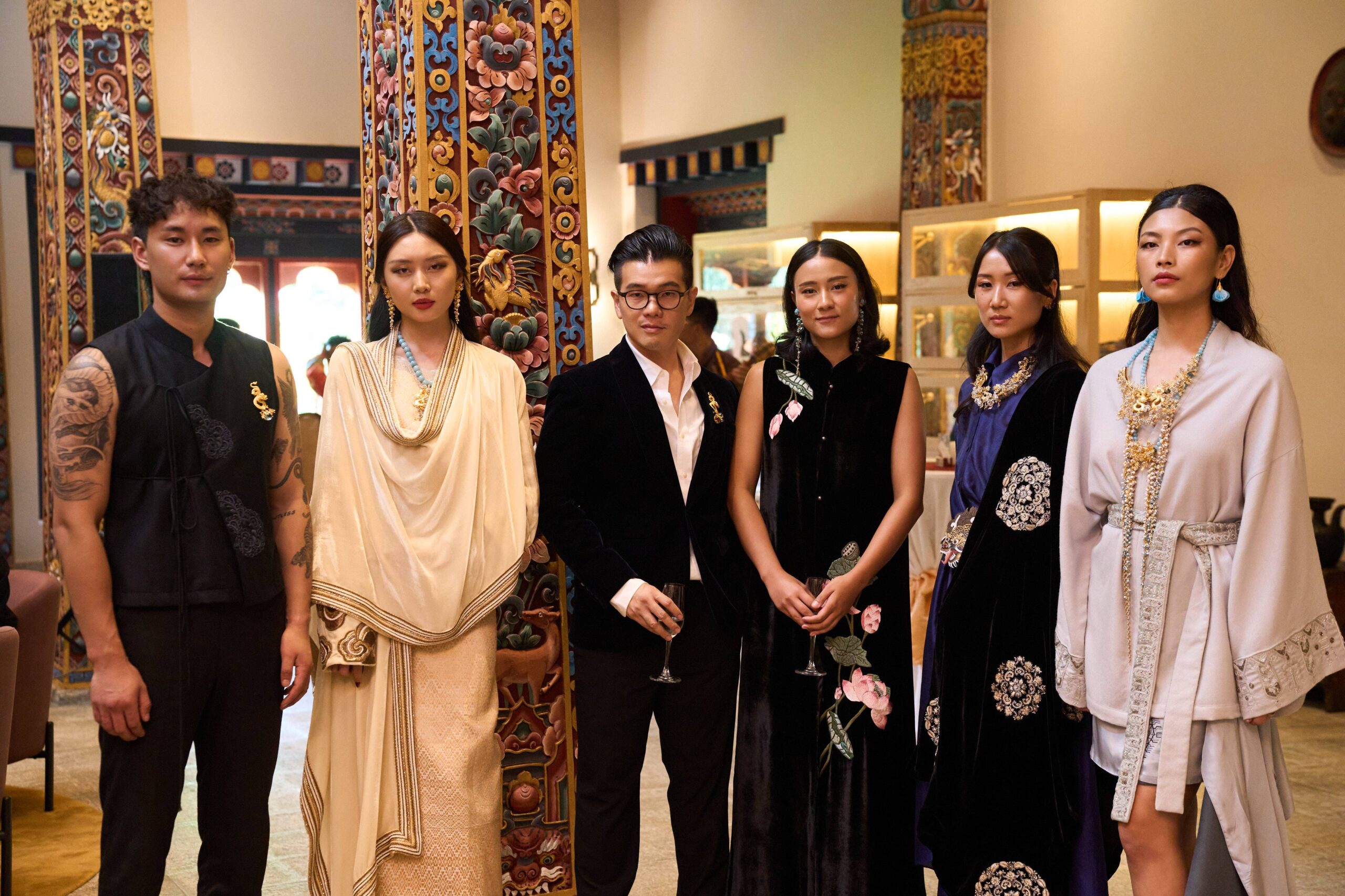
Couples wear traditional Bhutanese silk wedding dress:
- Gho for the groom and the Kira for the bride.
- The ceremony is fully customisable.
- Western elements such as ring exchange fit naturally into the sequence.
- More elaborate additions such as masked dances, archery, butter lamp offerings, and fertility blessings are available on request.
Please note: This ceremony is not legally recognised outside Bhutan.
What the 11 Days Cover
- Day 1 brings you into Paro.
- Day 2 is the wedding blessing ceremony and Paro sightseeing.
- Days 3 and 4 cover Thimphu and Punakha.
- Day 5 adds the Khamsum Yulley Chorten and the Wangdue valley.
- Days 6 and 7 take you east to Bumthang, Bhutan’s spiritual heartland.
- Day 8 returns through Phobjikha valley.
- Days 9 and 10 focus on Paro, Chele La pass, and the Tiger’s Nest hike.
- Day 11 is departure.


The flight into Paro is a befitting introduction to the spectacular beauty of Bhutan. If the weather is clear you can see magnificent views of the peaks, give way to the lush green Paro valley as you land on arrival at Paro international airport. Upon your arrival at Paro international airport, our representative from Bhutan Holiday to Bhutan will receive you.
Overnight stay in hotel, Paro.
The most valuable and important thing in life is marriage and family, so we start the day with a wedding at a local house.
In Bhutanese traditional marriage the bride and groom dress up in expensive hand woven silk costumes called Gho and Kira. The marriage ceremony starts with good luck traditional rituals by a monk. The couple then makes commitment, exchange well wishing Khadar (scarf), offer gifts, drink wine and later visit some sacred temples.
Visits will include Kyichu Lhakhang, built in 659 A.D by the Tibetan king Songtsen Gonpo; it is one of the oldest temple in Bhutan. Later we will visit the ruins of Drukgyel Dzong, which kept at bay invasions from Tibet in the 17th century. There we can spend some time taking photograph of scenery and also of newly married couple with nature. After lunch we will then Paro Rinpung Dzong. Under the command of Zhabdrung Ngawang Namgyal the dzong was built in 1646 and it was established as administrative and monastic center of the western region and it became known as Rinpung Dzong (meaning Heap of Jewels). The dzong is listed as a tentative site in Bhutan’s Tentative List for UNESCO inclusion. Later we will visit Ta Dzong, it was established in 1968, in the renovated ancient Ta-dzong building under the command of His Majesty, the king Jigme Dorji Wangchuk. It houses for some of the finest specimens of Bhutanese art, including masterpieces of bronze statues and painting. Suitable galleries were constructed to house the extensive collections. The works of art is elegantly displayed on scientific lines.
Overnight stay in hotel, Paro.
Drive to Thimphu, stop en-route to view the picturesque Tachog Lhakhang, the hereditary place of worship of Bhutan’s Iron Bridge Builder. Short hike down to Iron Bridge made by iron chains.
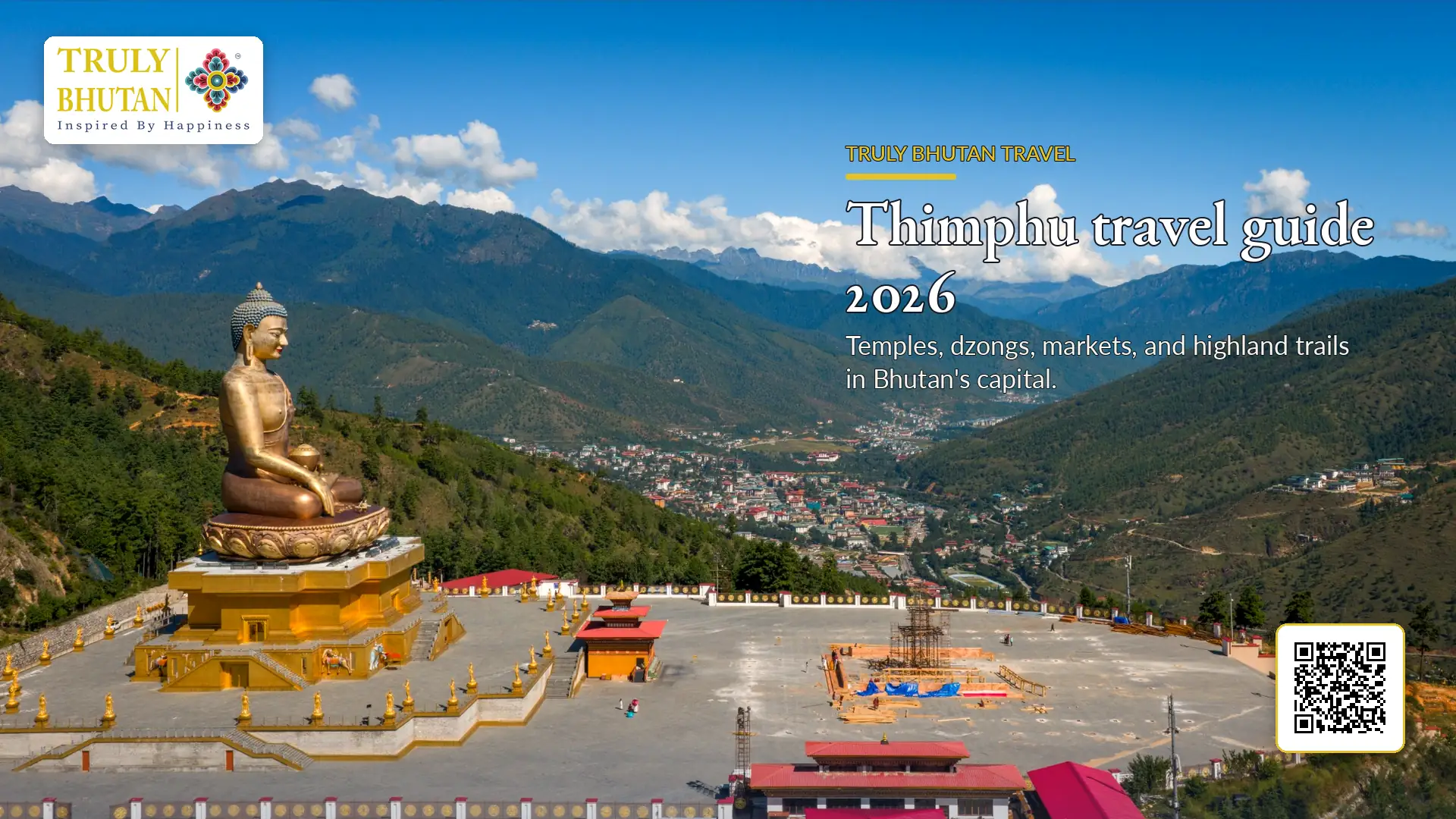
On arrival in Thimphu, visit the National Memorial Chorten, dedicated to world peace and prosperity. It was built in 1974 in memory of the Third King of Bhutan. You will find Thimphu residents circumambulating the Stupa throughout the day praying for universal harmony and all sentient beings. Visit Buddha point to see the Buddha Stupa and get a bird’s eye view of Thimphu valley. It is popularly known as the “Buddha Point” where a statue of the Buddha measuring 54 meters tall sits above the Thimphu valley
Also visit the National Institute of Zorig Chusum, is the center for Bhutanese Art education. It was set up by the Government of Bhutan with the sole objective of preserving the rich culture and tradition of Bhutan and training students in all the traditional arts forms. The curricula cover a comprehensive course of drawing, painting, wood and slate craving, embroidery, sculptures, weaving and papermaking. And the Folk Heritage Museum, which was opened in 2001 from the initiative of founder Her Majesty the queen mother Dorji Wangmo Wangchuk. The Museum is housed in a 3-storyed 19th century traditional rammed mud and timber house aged more than 150 years. Later in the evening we will be visiting Tashichho Dzong the “Fortress of Auspicious Religion” where today like most of the other fortresses in Bhutan serves as the Administrative and Religious Center.
Evening at leisure in Thimphu town and overnight stay in hotel, Paro
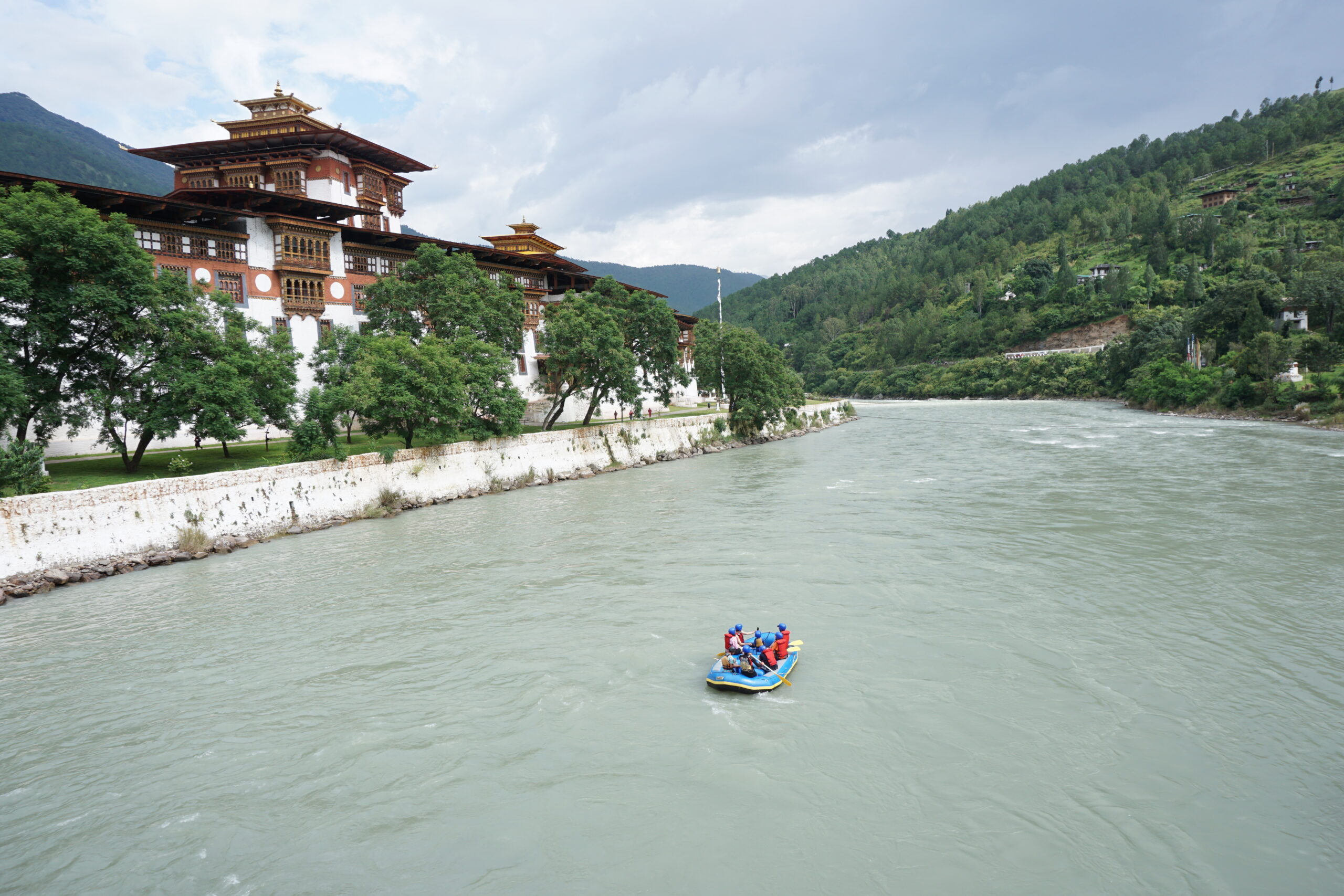
After breakfast, we drive out of Thimphu to Punakha. Along the way you will drive by the Dochula pass, where 108 stupas were built as a war monument after the 2003 war in the southern Bhutan against Indian insurgents and on the clear day you will see the Himalayan mountain ranges. Later after lunch we will hike to Chimi Lhakhang (temple) also known popularly as the “fertility temple”. This temple is reputed for granting children to couples who come to seek blessings for a child. People who come to this temple are blessed with a wooden phallus with a silver handle and the bow and arrows of the famous 15thcentury Buddhist saint called “Drukpa Kuenley” to whom this temple is dedicated. Then we will directly check into the hotel. After resting for some time then we will visit Punakha Dzong located in between two rivers, mo Chu (Female River) from its left and pho Chu (Male River) from its right, it was built in 1637 by Zhabdrung Ngawang Namgyel in commanding position at the confluence. The Dzong was called Druk Pungthang Dechen Phodrang (the palace of Great Happiness) in olden days and arguably the country’s most attractive Dzong.
Overnight stay in hotel, Punakha
In the morning drive or walk to Yabesa village and hike to through rice fields and up to Khamsum Yulley Namgyal Chorten, built by her majesty the queen Ashi Tshering Yangdon Wangchuk. Perched high on a hill on the bank of the river, the Chorten houses paintings belonging to Nyingmapa Traditions.
Enjoy a picnic lunch on a picturesque riverside before driving to explore Wangduephodrang Dzong. Built in 1639, the strategically located Dzong is perched on a spur at the confluence of two rivers. In the 17th century Wangduephodrang played a critical role in unifying the western, central and southern regions of the country.
Overnight in Punakha.
Drive to Trongsa about 5 to 6 hours. Short stop at Wangdi town. Continue your journey crossing Pele la Pass (3,300m), the traditional boundary between east and west. Stop for lunch at Chendbji near a large historic stupa built in the Nepalese in style. Visit Trongsa Dzong. Then visit Ta Dzong (watchtower) museum. Then continue to Bumthang about 3hrs. On the way stop at Chumey weaving center. Overnight at tourist Lodge.
Morning – visit Kurjey Lhakhang, Guru Rinpoche meditated here in 8th century; Jambay Lhakhang built in 7th century by Tibetan King Songtsen Gampo. Tamshing Lhakhang founded in 15th century by Pema Lingpa the treasure reveler, Kencho Sum Lhakhang. Later see the Jakar Dzong, the Dzong. Evening take a stroll through Bumthang market area. Overnight in hotel.
Route back to Pelela Pass (alt. 3,300 m) via Trongsa, Phobjikha is one of the few glacial valleys in Bhutan and chosen home of black necked crane, which migrate from the central Asiatic Plateau to escape its harsh winters. Explore Phobjikha and also visit to Gangtey Monastery, the only Nyingmapa Monastery in Bhutan. Late afternoon drive to Punakha for Overnight in Hotel.
Today after breakfast we will be driving back to Paro. Today we will be spending whole day taking pictures. We will be stopping at Botanical Park on the way, where we will be spending leisure time taking pictures. We will be stopping on various locations for photograph.
After lunch at Paro we will drive towards Chelela pass which is one of the highest Motorable pass in Bhutan for more photographs. You can wear our traditional dress for the photograph or you can bring in your wedding dress.
Overnight stay at Paro
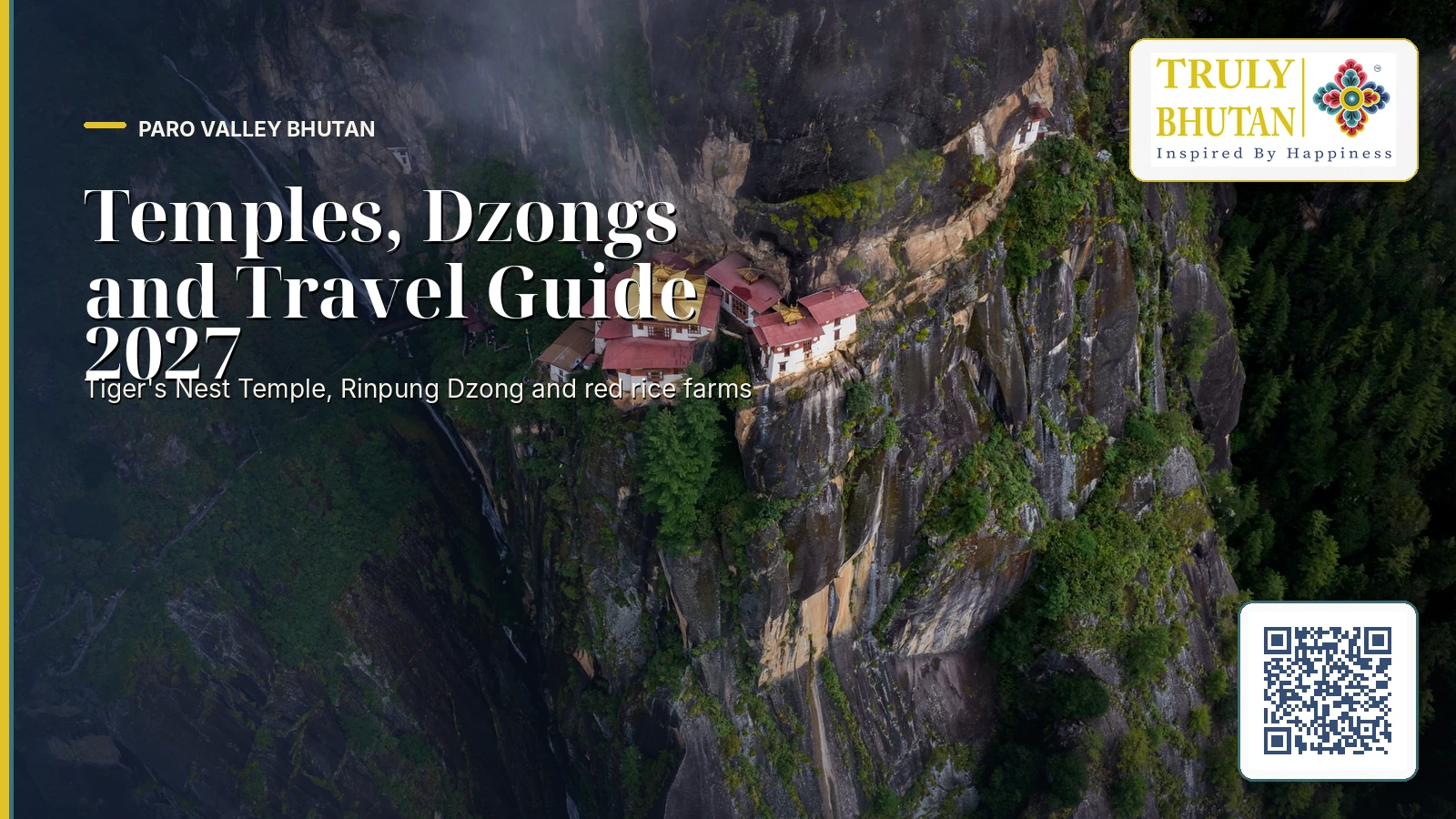
After early breakfast we will drive towards the base of Tigers nest and we will start our hike. Taktsang is one of the most sacred pilgrimage sites in the Himalayan World. The temple itself is perched on a granite cliff that drops 2,000 feet to the valley floor. The name is derived from a legend that Guru Rinpoche flew across the mountains to this spot on the back of a tigress.
(You may bring our traditional dress or your own wedding dress to take a photograph at the Tiger’s Nest Temple.)
Later in the evening we will arrange a Cultural Show. You will be witnessing our traditional folk dances and also mask dances that are usually performed during the famous festival called Tshechu here in Bhutan. Colorful Bhutan Travels arranges cultural show for their clients to take back home not only the memories of natural beauty of the kingdom of Bhutan but also some memories of our unique culture (songs and Dances) and traditions that you may cherish throughout your life.
After breakfast, your driver and guide will drive you to the airport for your out bound journey.
The traditional Bhutanese Buddhist wedding blessing ceremony follows the full sequence of Bhutanese marriage rituals conducted by monks and lamas. It includes the Lhabsang purification, the Changphoe offering, the shared phob cup ritual, the ring exchange, the Zhudrey Puensum Tshogpa food ceremony, and the Dhar Naynga five-scarf offering. The ceremony is spiritually significant and deeply meaningful. It is not legally recognised outside Bhutan.
March to May gives warm valley temperatures, rhododendron blooms on the mountain passes, and clear views of the Himalayan peaks. October to November gives crisp air, golden light, and the best visibility of the year. Both seasons are ideal for the Tiger’s Nest hike and outdoor photography. December to February is quieter and more private, with snow on the high passes and cold nights in Bumthang.
We arranges the full wedding blessing ceremony including traditional silk attire for both partners, the private riverside picnic at Khamsum Yulley on Day 5, the private cultural show on the final evening in Paro, traditional dress for photography at Chele La Pass and Tiger’s Nest, and all logistics, permits, and premium accommodation throughout the 11 days.
The tour is easy to moderate. The Tiger’s Nest hike on Day 10 is the most demanding activity, climbing approximately 900m over 1.5 to 2 hours on a well-maintained trail. The Khamsum Yulley hike on Day 5 takes 30 to 45 minutes each way. All other sightseeing involves short walks on flat or gently sloping ground. A basic level of fitness is enough for the full itinerary.
Bhutan is the world’s only carbon-negative country. Tourism is deliberately limited by the Sustainable Development Fee. There are no mass-market resorts, no crowded heritage sites, and no manufactured tourist experiences. Every site on this itinerary is a living cultural and religious place used by Bhutanese people daily. The wedding blessing ceremony is not a tourist performance. Monks conduct it the same way they conduct it for Bhutanese couples. That authenticity is what separates Bhutan from every other honeymoon destination in Asia.
Yes. The ceremony follows the traditional Bhutanese sequence as its foundation. Western elements such as the ring exchange fit naturally into the ritual order. More elaborate additions including masked dances, archery displays, butter lamp offerings, and special fertility blessings are available on request. Truly Bhutan Travel’s team consults with each couple during the booking process to design the ceremony they want.
- Airport pick-up and drop-off by private vehicle.
- 3-star accommodation (4 & 5 stars may require an additional premium update).
- Bhutan visa fee – including all necessary processing
- Route Permit
- Three meals per day during your stay in Bhutan
- A licensed Bhutanese tour guide
- All land transportation by private vehicle
- Camping equipment and haulage for trekking tours
- Sightseeing as per itinerary
- Monuments entrance fees where applicable
- Drinking water
- All internal taxes and charges
- A sustainable development fee of $200. (This sustainable development fee goes towards free education, free healthcare, and poverty alleviation, along with the building of infrastructure.)
- Airfare & Travel Insurance
- Expenses of personal nature, Tips to guides and drivers
- Expenses occurred due to unavoidable events i.e. road wrecks, flight delays etc.
Tour Overview
- Duration: 11 days
- Route: Paro, Thimphu, Punakha, Bumthang, Phobjikha, Paro
- Ceremony: Day 2, Paro
- Highest point visited: Chele La Pass at 3,988m
- Difficulty: Easy to moderate
Best Months
March to May for spring blooms and warm valley temperatures. October to November for clear skies and peak visibility. December to February for privacy and quiet.
Photography
Traditional Bhutanese dress is available for photography at the wedding ceremony, Chele La Pass, and Tiger’s Nest Monastery. Couples bring their own wedding attire if preferred. We arrange dedicated photography time at each major site.
Permits
All Bhutan permits and visa processing are arranged by us as part of the package.
A Beginning Worth Remembering
The 11-day honeymoon route takes you through every dimension of Bhutan. You begin with a wedding blessing conducted by monks in a Paro farmhouse. You walk across rice fields to a fertility temple. You stand at the confluence of two sacred rivers below the most beautiful fortress in the Himalayas. You reach the cliff-face monastery where Guru Rinpoche landed on the back of a tigress. Each of these places carries weight. None of them is ordinary.
Bhutan Stays With You
Most destinations leave you with photographs. Bhutan leaves you with something harder to describe. The quiet of Phobjikha valley. The smell of butter lamps inside Kurjey Lhakhang. The sound of the Mo Chu below your hotel window in Punakha. These details settle into memory and stay there. A honeymoon in Bhutan gives you both the beginning of a marriage and a country that marks the occasion with genuine ceremony and intention.
Secure Your Place for 2026 & 2027
2026 & 2027 honeymoon departures are confirmed and filling now. We accept a limited number of couples on this exclusive tour each season. Ceremony dates are allocated on a first-come basis. Confirm your place today.
Explore More Luxury Experiences with Truly Bhutan Travel
For couples who want to extend their stay with a private wellness experience after the honeymoon tour, explore Truly Bhutan Travel’s exclusive yoga retreat and hot stone bath wellness packages across Bhutan’s most serene valley locations.
- For those who want to add a high-altitude trekking adventure to their Bhutan visit, the Jomolhari Trek approaches the sacred 7,314m peak from Paro and gives the most dramatic mountain scenery in western Bhutan.
- For couples returning to Bhutan for a deeper cultural experience, the Bumthang Cultural Tour spends extended time in Bhutan’s spiritual heartland with private temple visits and local monastery stays.
- Browse all luxury honeymoon packages, private tours, and bespoke Bhutan experiences at trulybhutan.com/itinerary
Bhutan Travel Info
Travel Essentials
- Travel/Medical Insurance: Ensure a worry-free journey with Bhutan's dedicated travel and medical insurance plans offered by the Royal Insurance Corporation of Bhutan. Visit RICB for more information.
- Banking: Modern banking facilities are available in urban areas of Bhutan, with banks like Bank of Bhutan Limited, Druk PNB, and Bhutan National Bank. ATMs are common in Thimphu and Phuentsholing, but scarce in rural areas. Complete your banking in major cities.
- Money Matters: Bhutan's currency is the Ngultrum (Nu), which is equivalent in value to the Indian Rupee. Foreign travelers should bring traveler’s cheques or cash, especially USD. Credit cards like Visa and American Express are accepted in most areas.
- Communication: Bhutan's telecommunications are well-developed with internet cafes, mobile phone coverage, and international roaming available in most towns.
- Electricity: Bhutan operates on 230 volts and 50 Hertz. Ensure your devices are compatible with the three types of plugs commonly used.
- Time Zone: Bhutan's time is six hours ahead of GMT.
Health, Safety, and Customs
- Health and Inoculations: Recommended vaccinations include tetanus, typhoid, and hepatitis A. Avoid untreated water and ice cubes; instead, opt for bottled water, which is readily available.
- Safety Precautions: Bhutan is generally safe, but avoid walking alone or staying out late, especially after 9 PM. Secure your belongings, particularly in the capital, Thimphu.
- Customs Regulations: Personal belongings, 1 liter of alcohol, 200 cigarettes, and professional equipment are exempt from customs duty. Importing restricted items, such as wildlife products, antiques, and drugs, is prohibited.
Accommodation, Food, and Shopping
- Accommodation: Bhutan offers a range of accommodations, from quality 3-star to luxury 5-star hotels in places like Thimphu, Paro, and Punakha. Travelers can also opt for camping when venturing beyond urban areas.
- Food: Bhutanese cuisine is rich and spicy, featuring dishes like ema datshi. International cuisine such as Indian, Continental, and Chinese is available in most restaurants, with both vegetarian and non-vegetarian options.
- Shopping: Bhutan offers unique handicrafts, including hand-woven textiles, wooden bowls (Dapas), silver statues, Thangkas, and local postage stamps. Note that the buying and selling of antiques is strictly prohibited.
Travel Kits and Clothing
- Clothing and Essentials: Bhutan's climate is diverse, so dress in layers and pack accordingly. Respectful clothing is required when visiting monasteries and religious sites, and hats should be removed in sacred areas.
- Travel Kits: Pack items like sunscreen, sunglasses, insect repellent, antihistamine cream, anti-diarrhea pills, a flashlight, warm clothes, and a hat. The diverse climate means temperatures range from 20-25°C in summer to below 15°C in winter.
Experiences and Activities
- Photography: Capture Bhutan's stunning landscapes, rural life, and architecture. Indoor photography in sacred sites requires special permission.
- Guides and Interpreters: Bhutan offers certified guides fluent in various languages, ensuring you get the best experience when visiting sacred sites and cultural landmarks.
- Festivals and Holidays: Each district in Bhutan celebrates its unique annual tshechu. Check local schedules to plan your visit around these vibrant festivals.
- Weights and Measures: Bhutan uses metric measurements for weight, with advanced electronic scales commonly found in major cities.


- Best Price Guaranteed
- Book Now, Pay Later
- Local Expertise
- Hand-Picked Hotels
- Value for money
- Quality Service
- Responsible Tourism
- Tailor-Made Holidays
- No Booking Fee
- 100% Visa Approval
- 24/7 Customer Service
- No Hidden Costs