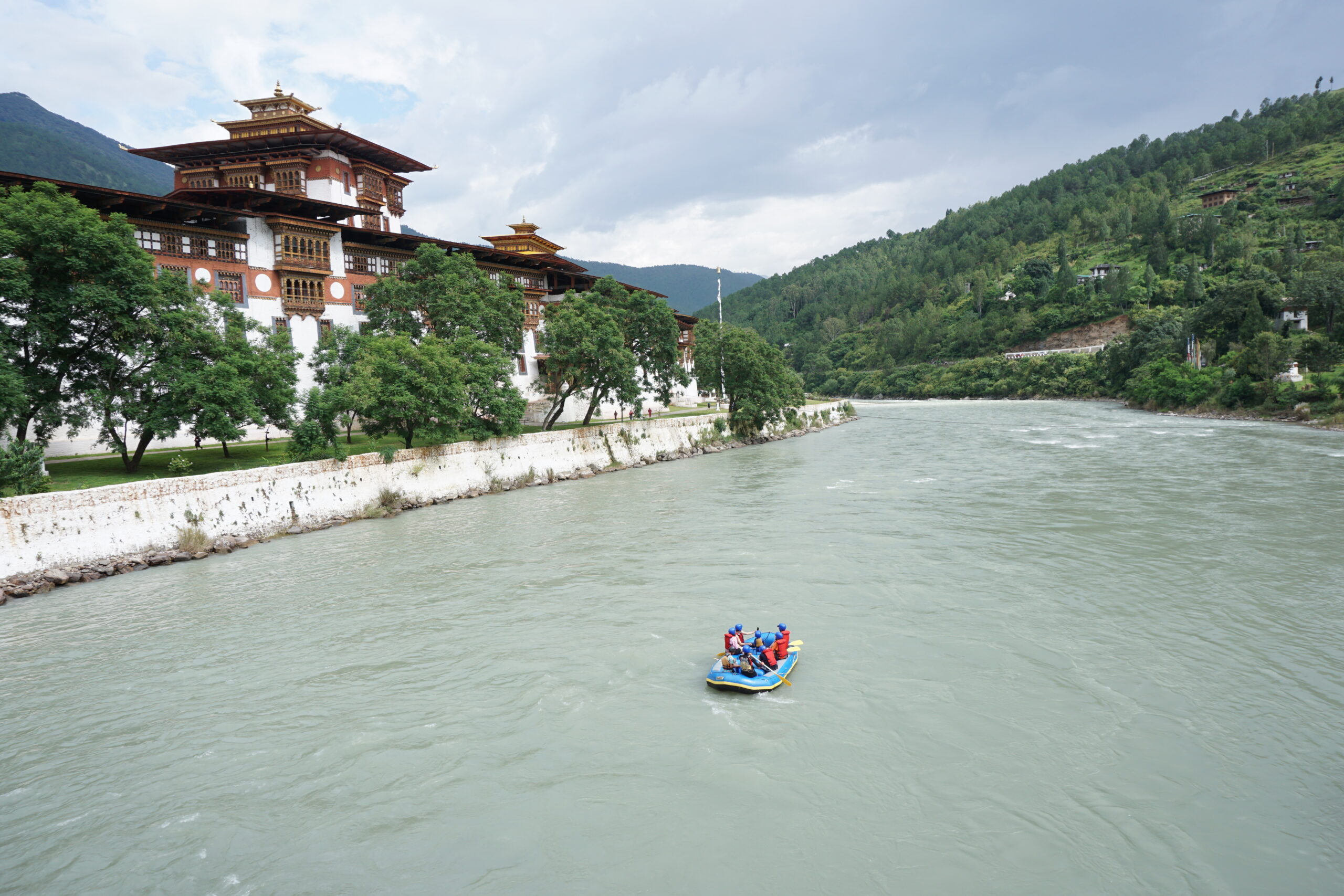
Discover the highlights of Bhutan’s popular western and spiritual central valleys. Visit Dzongs, temples, monasteries, and palaces, and witness Bhutan’s ever-changing scenic beauty of forests and Himalayan peaks. For those with a little less time or who are interested in a birds-eye view, we can easily organize helicopter transfers. Spirit of Bhutan journey is our effort to introduce you to the rich cultural heritage of this tiny Himalayan kingdom also known as the last Shangri-La.
Our week-long tour in Bhutan begins with sightseeing in the country’s capital, Thimphu, where we visit the Memorial Chorten, mini-zoo, National Institute of Traditional Medicine, folk heritage museum, and the majestic Tashichho Dzong (fortress). Next, we travel to Punakha via Dochula pass (3,100m) and tour the Chimi Lhakhang temple on the way. We also visit the Punakha Dzong and explore the amazing Gangtey village before heading to Paro.
The flight to Paro is one of the most spectacular mountain flights in the world, with a constantly changing panorama of some of the highest mountains on earth. Our representative will meet you at Paro airport exit doors following customs formalities.
After lunch enjoys afternoon sightseeing around Paro, including a visit to the Ta Dzong Museum housing many religious relics, works of art, and handicrafts offering a great orientation into Bhutan’s historical, cultural, and religious past. Next, visit the Rimpung Dzong to see the painting of the great saint Milarepa, considered the master of meditation by the Bhutanese and believed to have attained enlightenment in a lifetime. Dzong’s are large monasteries and district administrative centers, which were once strategic forts.
Afterward, drive to the capital, Thimphu (1.5 hours) following the Pachu River. Before dinner at the hotel, there will be an orientation on Bhutanese etiquette by our Host. Overnight at your hotel in Thimphu.
Places and attractions:
- Tashichho Dzong
- Semthoka Dzong
- Dochu La Pass
- Memorial Chorten
- Changangkha Lhakhang
- Zangdopelri
- The Tallest Buddha Image
- Tango And Cheri Monasteries
- The Handicrafts Emporium
- Traditional Medicine
- Zorig Chusum Institute
- National Library
- Weekend Market
- Botanical Garden
- Thadrak Goemba
- Tashigang Goemba
- Chizhing Samtencholing Lhakhang
Begin your day with a visit to the handmade paper factory. Paper has been made in the Himalayas for a long period of time, traditionally to supply the Buddhist monasteries with paper for woodblock and manuscript books. The most common and popular papers of Bhutan are made from the bark of the Daphne plant, a variety of Daphne. It is a dark woody paper fiber found only in Bhutan. Bhutanese Handmade Paper is made without environmental damage to the land.
If your visit to Thimphu coincides with the weekend, you can walk through the Thimphu Market to see the variety of food of Bhutan, including basket upon basket of fiery chilies, fresh cheese, and a variety of fresh greens. In addition, many stalls contain Bhutanese handicrafts and household items. (This market is open only from Friday until mid-Sunday). Later visit the Folk Heritage Museum featuring an exhibition of items and artifacts of Bhutanese villages and rural households. The museum also organizes demonstrations of rural traditions, skills, habits, and customs, educational programs for children, and research and documentation on rural life in Bhutan. In the evening, your guide will demonstrate how to wear our national costumes (gho for men and Kira for women). It is an opportunity for the clients to try our national dress. Overnight at your hotel in Thimphu.
Places and attractions:
- Tashichho Dzong
- Semthoka Dzong
- Dochu La Pass
- Memorial Chorten
- Changangkha Lhakhang
- Zangdopelri
- The Tallest Buddha Image
- Tango And Cheri Monasteries
- The Handicrafts Emporium
- Traditional Medicine
- Zorig Chusum Institute
- National Library
- Weekend Market
- Botanical Garden
- Thadrak Goemba
- Tashigang Goemba
- Chizhing Samtencholing Lhakhang
Transfer to Phobjikha Valley (5.5-6 hrs). Drive over the Dochula pass (3,100 meters) which on a clear day offers an incredible view of Himalayan peaks before descending into balmy Punakha valley (about 3 hrs total driving time). The drive through the countryside affords a glimpse of everyday life in this most remote of Himalayan kingdoms.
Continue on through the bustling market town of Wangduephodrang, and up winding mountain roads through mixed forests and over high passes before descending down into the wide and picturesque Phobjikha Valley. Phobjikha is one of Bhutan’s few glacial valleys, and chosen winter home of black-necked cranes (November – March) migrating from the Tibetan plateau.
Overnight in Phobjikha Valley.
Places and attractions:
- Dargay Goemba
- Gangtey Gompa
- Temple Of Sha Radap
- Gaselo & Nahee Village
- Adha And Rukha Village
- Shaa Region Of Wangdiphodrang
- Bhey Langdrag Nye
Following breakfast visit the Phobjikha Sanctuary to view the majestic black-necked cranes (Nov-Mar only) and Gangtey Gompa (Monastery), dating back to the 16th century. Afterward, drive by luxury 4WD over the Pele La pass (3,420m) on the Black Mountain range towards Trongsa (4.5 hrs). En route visit the beautiful 18th-century Chendebji Chorten. Trongsa is the ancestral home of Bhutan’s ruling dynasty. Visit Trongsa Dzong, the largest Dzong in Bhutan, and the Ta Dzong museum houses a collection of historical artifacts of the Royal Family.
Continue driving towards Bumthang (2.5 hrs), the spirit of the kingdom. Bumthang is home to some of Bhutan’s oldest Palaces, Buddhist temples, and monasteries.
On arrival enjoy an optional Spa Treatment before dinner. Overnight in Bumthang.
Places and attractions:
- Jakar Dzong
- Kurjey Lhakhang
- Jambay Lhakhang
- Ura Valley
- Red Panda Brewery
- Mebartsho
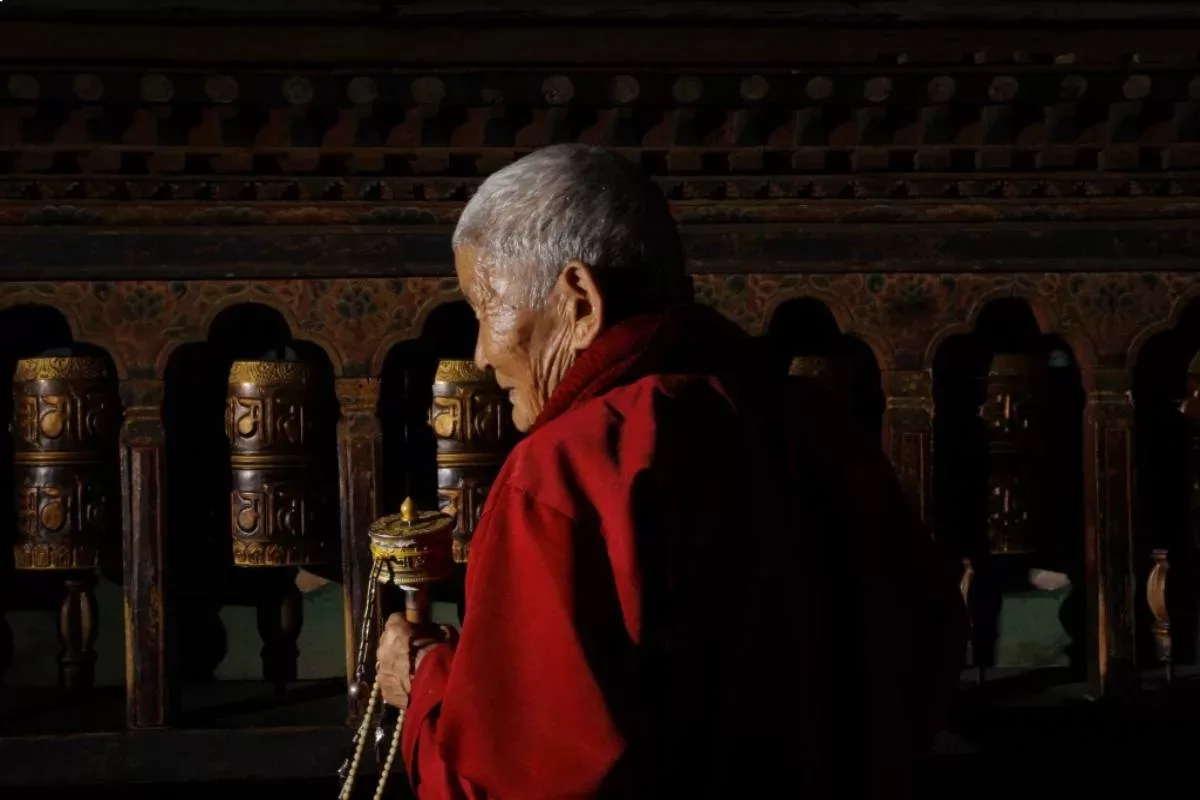
In the morning visit Kurjey Lhakhang, one of the most sacred places in the kingdom where Bhutan’s patron saint Guru Rimpoche meditated and 7th-century Jambay Lhakhang. It dates back to the origins of Buddhism in Bhutan and is one of the Kingdom’s oldest temples.
After lunch continues sightseeing including Jakar Dzong and Tamshing Lhakhang, founded in 1501 by Pema Lingpa and containing interesting and ancient Buddhist wall paintings. Overnight in Bumthang.
Places and attractions:
- Jakar Dzong
- Kurjey Lhakhang
- Jambay Lhakhang
- Ura Valley
- Red Panda Brewery
- Mebartsho
Depart for Punakha stopping along the way at Trongsa for lunch.
Overnight in Punakha.
Places and attractions:
- Punakha Dzong
- Khamsum Yulley
- Talo Goenpa
- Nalanda Buddhist College
- Chorten Nyingpo Lhakhang
- Sangchen Dorji Lhuendrup
- Limukha Village
- Ritsha Village
Punakha was the ancient capital of Bhutan. Visit Punakha Dzong, the “Palace of Great Happiness” built in 1637 by the Zhabdrung, the ‘Unifier of Bhutan’ as predicted by the great Guru Rimpoche (Padmasambhava). It is the winter headquarters of the Je Khenpo and hundreds of monks who move en masse from Thimphu to this warmer location. The three-story main temple of the Punakha Dzong is a breathtaking example of traditional architecture with four intricately embossed entrance pillars crafted from cypress and decorated in gold and silver. It was here in 1907 that Bhutan’s first king was crowned.
After lunch to Habesa village and hike through rice fields and up to Khamsum Yulley Namgyal Chorten, built by her majesty the queen Ashi Tshering Yangdon Wangchuk. Perched high on a hill on the bank of the river, the Chorten houses paintings belonging to Nyingmapa Traditions. In the afternoon you have an option of returning to Uma Punakha for the time at leisure, or a short excursion to Chimi Lhakhang, the temple of Drukpa Kuenly. He inherited the Divine Madman title since he revolted against orthodox Buddhism in his time.
Overnight in Punakha.
Places and attractions:
- Punakha Dzong
- Khamsum Yulley
- Talo Goenpa
- Nalanda Buddhist College
- Chorten Nyingpo Lhakhang
- Sangchen Dorji Lhuendrup
- Limukha Village
- Ritsha Village
Drive back to Thimphu where you will have an opportunity to visit handicraft and souvenir stores and enjoy lunch. Afterward, proceed to Paro and check into your luxury hotel.
The remainder of the day is free to explore the Paro township or enjoy the spa treatments available at your accommodations.
Overnight in Paro.
Places and attractions:
- Rinpung Dzong
- Drukgyel Dzong
- Taktshang
- Kyichu Lhakhang
- Kila Gompa
- Dungtse Lhakhang
- Tachog Lhakhang
- Dzongdrakha
After breakfast hike to Taktsang temple. The walk of approximately 2 hours uphill takes you almost a kilometer above the Paro valley floor (for those who cannot hike we will arrange a horse for transfer up to the viewing point). The view of Taktsang Monastery built on a sheer cliff face 900 meters above the valley floor is a spectacular sight.
The Monastery is also an important pilgrim site for the Buddhists. The great Guru Rimpoche is said to have flown here on the back of a tigress when he brought the teachings of the Buddhist Dharma to Bhutan in the 8th Century. Refreshments and lunch will be arranged in the tent specifically pitched on the path to Taktsang Monastery.
On the return drive to Paro, visit 7th Century Kyichu Lhakhang, one of the 108 temples constructed by the Tibetan king Songtsen Gampo. The afternoon is at leisure. Overnight in Paro.
Places and attractions:
- Rinpung Dzong
- Drukgyel Dzong
- Taktshang
- Kyichu Lhakhang
- Kila Gompa
- Dungtse Lhakhang
- Tachog Lhakhang
- Dzongdrakha
Breakfast in the hotel then drives to the airport for the flight to your onward destination.
- Airport pick-up and drop-off by private vehicle.
- 3-star accommodation (4 & 5 stars may require an additional premium update).
- Bhutan visa fee – including all necessary processing
- Route Permit
- Three meals per day during your stay in Bhutan
- A licensed Bhutanese tour guide
- All land transportation by private vehicle
- Camping equipment and haulage for trekking tours
- Sightseeing as per itinerary
- Monuments entrance fees where applicable
- Drinking water
- All internal taxes and charges
- A sustainable development fee of $200. (This sustainable development fee goes towards free education, free healthcare, and poverty alleviation, along with the building of infrastructure.)
- Airfare & Travel Insurance
- Expenses of personal nature, Tips to guides and drivers
- Expenses occurred due to unavoidable events i.e. road wrecks, flight delays etc.
Bhutan Travel Info
Travel Essentials
- Travel/Medical Insurance: Ensure a worry-free journey with Bhutan's dedicated travel and medical insurance plans offered by the Royal Insurance Corporation of Bhutan. Visit RICB for more information.
- Banking: Modern banking facilities are available in urban areas of Bhutan, with banks like Bank of Bhutan Limited, Druk PNB, and Bhutan National Bank. ATMs are common in Thimphu and Phuentsholing, but scarce in rural areas. Complete your banking in major cities.
- Money Matters: Bhutan's currency is the Ngultrum (Nu), which is equivalent in value to the Indian Rupee. Foreign travelers should bring traveler’s cheques or cash, especially USD. Credit cards like Visa and American Express are accepted in most areas.
- Communication: Bhutan's telecommunications are well-developed with internet cafes, mobile phone coverage, and international roaming available in most towns.
- Electricity: Bhutan operates on 230 volts and 50 Hertz. Ensure your devices are compatible with the three types of plugs commonly used.
- Time Zone: Bhutan's time is six hours ahead of GMT.
Health, Safety, and Customs
- Health and Inoculations: Recommended vaccinations include tetanus, typhoid, and hepatitis A. Avoid untreated water and ice cubes; instead, opt for bottled water, which is readily available.
- Safety Precautions: Bhutan is generally safe, but avoid walking alone or staying out late, especially after 9 PM. Secure your belongings, particularly in the capital, Thimphu.
- Customs Regulations: Personal belongings, 1 liter of alcohol, 200 cigarettes, and professional equipment are exempt from customs duty. Importing restricted items, such as wildlife products, antiques, and drugs, is prohibited.
Accommodation, Food, and Shopping
- Accommodation: Bhutan offers a range of accommodations, from quality 3-star to luxury 5-star hotels in places like Thimphu, Paro, and Punakha. Travelers can also opt for camping when venturing beyond urban areas.
- Food: Bhutanese cuisine is rich and spicy, featuring dishes like ema datshi. International cuisine such as Indian, Continental, and Chinese is available in most restaurants, with both vegetarian and non-vegetarian options.
- Shopping: Bhutan offers unique handicrafts, including hand-woven textiles, wooden bowls (Dapas), silver statues, Thangkas, and local postage stamps. Note that the buying and selling of antiques is strictly prohibited.
Travel Kits and Clothing
- Clothing and Essentials: Bhutan's climate is diverse, so dress in layers and pack accordingly. Respectful clothing is required when visiting monasteries and religious sites, and hats should be removed in sacred areas.
- Travel Kits: Pack items like sunscreen, sunglasses, insect repellent, antihistamine cream, anti-diarrhea pills, a flashlight, warm clothes, and a hat. The diverse climate means temperatures range from 20-25°C in summer to below 15°C in winter.
Experiences and Activities
- Photography: Capture Bhutan's stunning landscapes, rural life, and architecture. Indoor photography in sacred sites requires special permission.
- Guides and Interpreters: Bhutan offers certified guides fluent in various languages, ensuring you get the best experience when visiting sacred sites and cultural landmarks.
- Festivals and Holidays: Each district in Bhutan celebrates its unique annual tshechu. Check local schedules to plan your visit around these vibrant festivals.
- Weights and Measures: Bhutan uses metric measurements for weight, with advanced electronic scales commonly found in major cities.


- Best Price Guaranteed
- Book Now, Pay Later
- Local Expertise
- Hand-Picked Hotels
- Value for money
- Quality Service
- Responsible Tourism
- Tailor-Made Holidays
- No Booking Fee
- 100% Visa Approval
- 24/7 Customer Service
- No Hidden Costs