Experience the perfect blend of Bhutan’s natural beauty and cultural richness with the Laya Gasa Trek. This extended version of the Jomolhari Trek takes you through diverse terrains, mountains, and high-altitude regions, offering breathtaking views of lush forests, rivers, high mountain passes, and serene farmlands. With moderate difficulty, this 16-day trek requires some endurance, but the rewards are truly unforgettable.
Along the trail, you’ll traverse lush forests of oak, fir, rhododendron, and mosses, while discovering stunning waterfalls and rivers. The peaceful valleys and traditional mountain villages offer a chance to connect with nature. You’ll also get to relax in Gasa’s natural hot springs, believed to have healing properties. Witness the unique culture of the Laya people, including the women dressed in black yak and sheep wool skirts with pointed bamboo hats.
This trek provides opportunities to visit Bhutan’s architecturally rich monasteries and Dzongs, encounter rare Himalayan flora and fauna, and explore isolated pastures. You might even see blue sheep, musk deer, takins, and, if lucky, rare animals like snow leopards and Himalayan bears.
The Laya Gasa Trek is open from April to June and September to November, with April being the ideal time to visit. For an alternative adventure, consider the Druk Path Trek, which combines trekking with cultural tours, or the Nepal Bhutan Darjeeling Tour, which covers three destinations in one journey.



Upon arrival, you’ll be welcomed by our representative and escorted to your hotel in Paro to prepare for the trek.
Overnight stay at hotel.
Climbing Tiger’s Nest Monastery in Paro, Bhutan: A Journey to Remember
The Iconic Tiger’s Nest Monastery
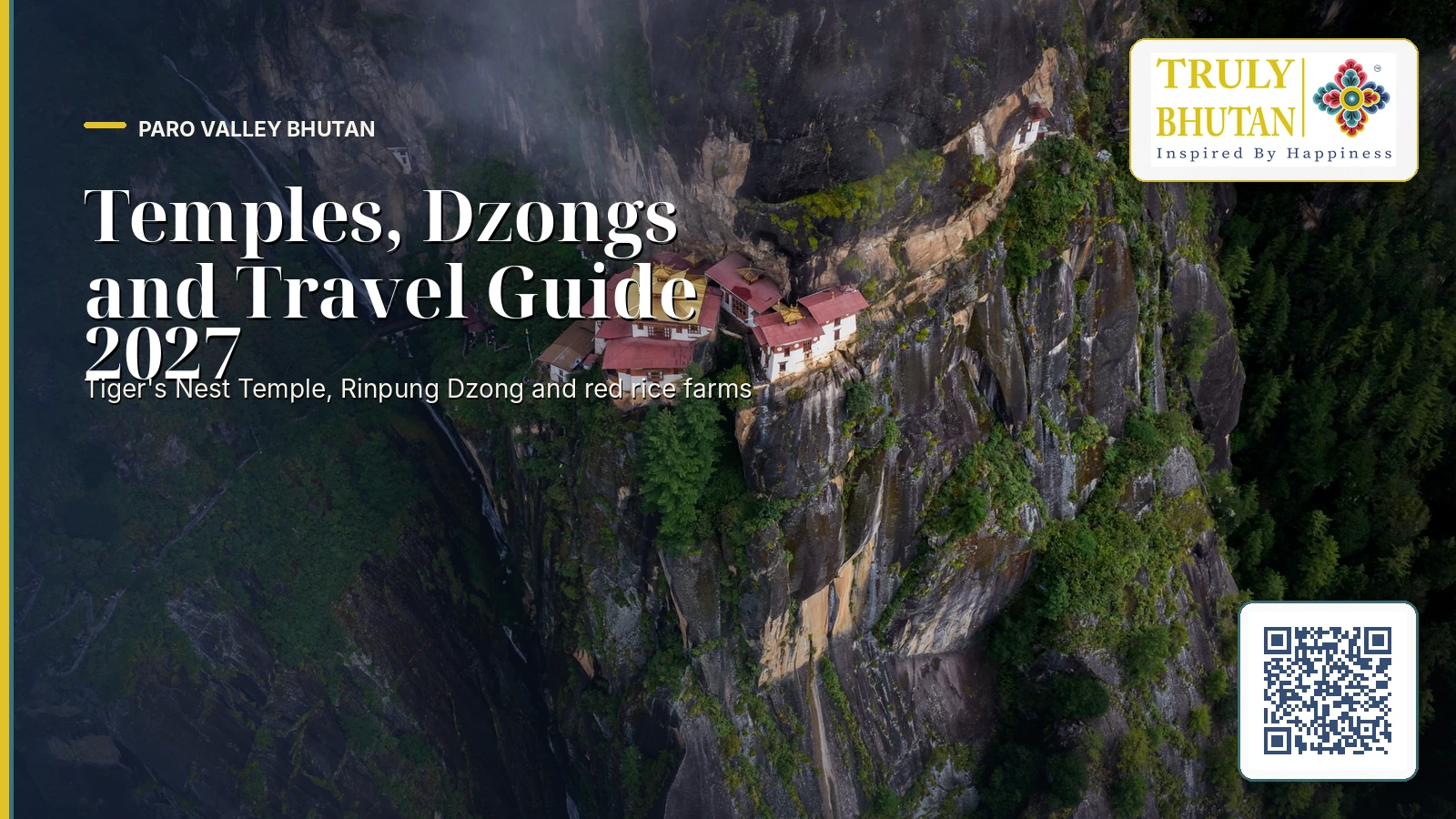
Perched dramatically on a cliff 3,000 meters above Paro Valley, the Paro Taktsang Monastery—commonly known as the Tiger’s Nest—is a must-visit landmark in Bhutan. Dating back to the late 17th century, this sacred site is steeped in mythology and spiritual significance. The monastery’s name originates from the legend of Guru Rinpoche, an 8th-century Indian Buddhist master who is said to have flown to the site on the back of a tigress, meditating in a cave for over three years.
Preparing for the Hike
To make the most of this adventure, it’s essential to start early. The trek begins near souvenir stalls at the base of the mountain, where you can purchase hiking sticks (a helpful companion for the journey). Although mules and horses are available to carry visitors partway, the steeper upper sections must be climbed on foot.
The Trek to Tiger’s Nest
The hike starts with a gradual incline through dense forests before transitioning to a steeper zig-zag path. Though not technically challenging, the trek tests endurance, especially for those unaccustomed to high altitudes. Frequent stops to admire the scenery and catch your breath are common, with colorful prayer flags adding to the spiritual ambiance.
Halfway up the trail, a rest stop offers refreshments and a chance to recharge before tackling the more challenging segments. The final approach includes a series of steep stairs leading down to a rope bridge near a picturesque waterfall, followed by an ascent to the monastery itself.
The Reward at the Top
Reaching the Tiger’s Nest Monastery is a deeply fulfilling experience. Visitors must leave cameras and shoes at the entrance and can join guided tours led by resident monks. The serene interiors, stunning views across the valley, and the peaceful atmosphere make the effort worthwhile. For many, just stepping into the monastery is believed to bring blessings.
Essential Information for Visitors
- Trek Distance: 3–4 miles round trip
- Elevation Gain: 1,700 feet (518 meters)
- Highest Point: 10,232 feet (3,119 meters)
- Time Required: 3–8 hours, depending on fitness levels
- Difficulty: Moderate; suitable for most hikers with a decent fitness level
- Entry Fees: Included in the Bhutan tourist fee; free for Bhutanese in national dress, or 500 Nu ($7) for foreign residents and Indian tourists
- Best Time to Visit: Spring (March–May) or fall (September–November) for ideal weather
What to Bring: Hiking shoes, comfortable clothing (covering arms and legs), plenty of water, a hiking stick, and altitude sickness medication if needed
The trek to the Tiger’s Nest Monastery is as much about the journey as the destination. With its breathtaking views, rich spiritual heritage, and the sense of accomplishment it offers, this experience is a must for anyone visiting Bhutan.
- Distance: 17 km
- Duration: 4–5 hours
- Elevation: 360m ascent, 80m descent
- Camp Altitude: 2,850m
The trek starts at Drukgyel Dzong and climbs gently through rice terraces and apple orchards, reaching a military camp at Gunitsawa for permit checks before continuing to Sharna Zampa.
Overnight stay at campsite.
- Distance: 19 km
- Duration: 5–6 hours
- Elevation: 480m ascent
- Camp Altitude: 4,080m
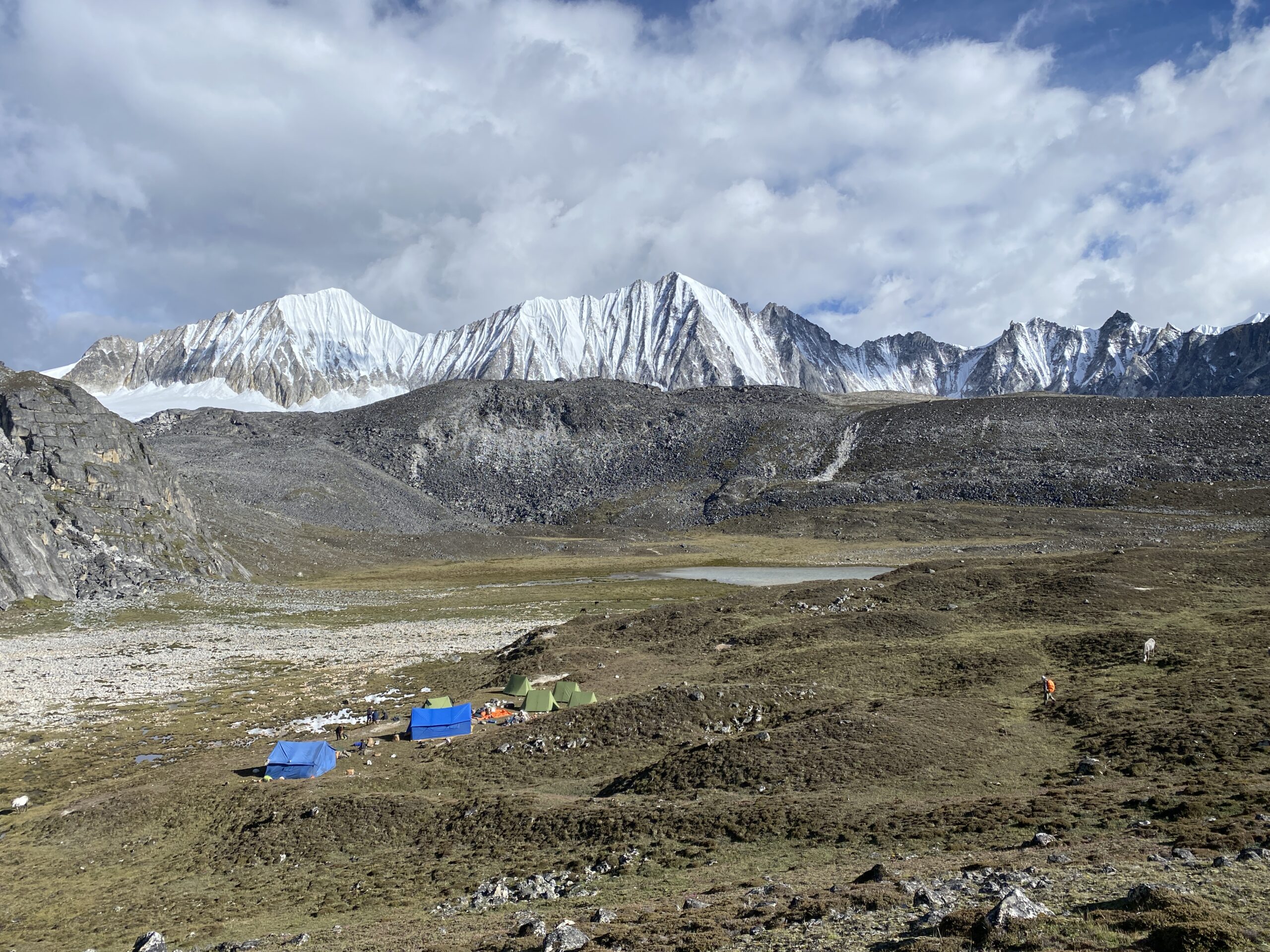
Continue through the Paro Chhu valley, widening into alpine meadows. You’ll pass villages, enjoy mountain views, and reach Jangothang, one of the most beautiful campsites in the Himalayas.
Overnight stay at campsite.
Enjoy a rest day at Jangothang for acclimatization and day hikes. Explore trails with views of lakes and snow-capped mountains, including Mount Jomolhari and Jichu Drake.
Overnight stay at campsite
- Distance: 18 km
- Duration: 6–7 hours
- Elevation: 840m ascent, 870m descent
- Camp Altitude: 4,010m
The trail climbs to Nyilila Pass (4,870m), offering breathtaking views of Mt. Jomolhari, Jichu Drake, and Tsherimgang. You’ll pass yak herder tents and descend to the Lingshi basin with its picturesque Dzong.
Overnight stay at campsite.
- Distance: 10 km
- Duration: 5–6 hours
- Elevation: 280m ascent, 410m descent
- Camp Altitude: 3,880m
A shorter day, allowing time to visit Lingshi Dzong and the village of Gongyul. The campsite at Chebisa features a scenic waterfall.
Overnight stay at campsite.
- Distance: 17 km
- Duration: 6–7 hours
- Elevation: 890m ascent, 540m descent
- Camp Altitude: 4,220m
Walk through wide pastures towards Gobu La Pass (4,410m), descend to Shakshepasa, then climb again to reach Shomuthang campsite.
- Distance: 18 km
- Duration: 6–7 hours
- Elevation: 700m ascent, 760m descent
- Camp Altitude: 4,160m
Start early for a strenuous day. Climb to Jhari La Pass (4,750m) for views of Gangchhenta (Great Tiger Mountain). Reach Robluthang campsite in a rocky meadow.
- Distance: 19 km
- Duration: 6–7 hours
- Elevation: 850m ascent, 870m descent
- Camp Altitude: 4,140m
Cross Sinche La Pass (5,005m) and descend to Limithang, where you’ll be greeted by stunning glacial landscapes and the towering Gangchhenta peak.
Overnight stay at campsite
- Distance: 10 km
- Duration: 4–5 hours
- Elevation: 60m ascent, 340m descent
- Camp Altitude: 3,840m
Descend through a winding river valley to reach Laya village, home to a community school, health unit, and unique cultural experiences.
overnight stay at camp in Laya village.
- Distance: 19 km
- Duration: 6–7 hours
- Elevation: 260m ascent, 1,070m descent
- Camp Altitude: 3,050m
The trail winds up and down through the Mo Chhu valley, passing waterfalls and streams, eventually reaching the Koina campsite.
- Distance: 14 km
- Duration: 6–7 hours
- Elevation: 740m ascent, 1,500m descent
- Camp Altitude: 2,240m
After crossing Bari La Pass (3,740m), descend to Gasa village. Relax in the popular Gasa hot springs or camp near Gasa Dzong
- Distance: 15 km
- Duration: 3 hours
- Elevation: 480m ascent, 470m descent
- Camp Altitude: 2,250m
After breakfast, drive to Punakha, continuing through rolling hills, forests, and fields, passing Gasa Dzong. Transfer to Punakha from Damji.
Overnight stay at a hotel in Punakha.
Drive to Paro. Visit Paro Dzong and the National Museum if time permits. In the evening, enjoy Bhutanese beer at Namgay Artisanal Brewery and shop for souvenirs.
Overnight stay at hotel in Paro.
After an early breakfast, transfer to Paro International Airport for your departure. A representative will see you off at the exit gate. Bon voyage!
Back to home
This itinerary is not suited for you? Plan your own trip.
The Laya Gasa Trek is a 16-day journey through Bhutan’s stunning landscapes, blending natural beauty with cultural experiences. This trek offers breathtaking views of mountains, high-altitude terrains, lush forests, serene farmlands, and picturesque villages. Unique highlights include the traditional culture of the Laya people, the healing hot springs of Gasa, and opportunities to encounter rare Himalayan wildlife like blue sheep, musk deer, and even snow leopards.
The hike to Tiger’s Nest Monastery, perched dramatically on a cliff 3,000 meters above Paro Valley, is both exhilarating and spiritually rewarding. The trek spans 3–4 miles round trip and includes gradual inclines, steep switchbacks, and stairs near the monastery. Along the way, you’ll pass dense forests, colorful prayer flags, and a picturesque waterfall. At the top, the serene interiors of the monastery and breathtaking valley views make the effort truly worthwhile.
The ideal time to undertake the Laya Gasa Trek is from April to June or September to October, with April offering the best conditions. Similarly, the best seasons for hiking to Tiger’s Nest Monastery are spring (March–May) and fall (September–November), when the weather is pleasant and the landscapes are at their most vibrant.
The Laya Gasa Trek is moderately challenging, requiring endurance to navigate long distances, high-altitude passes, and changing terrains. It is suitable for trekkers with a decent fitness level and some experience. Adequate acclimatization, as provided in the itinerary, ensures a safe and enjoyable journey.
For both the Laya Gasa Trek and the Tiger’s Nest hike, pack sturdy hiking shoes, layered clothing to adapt to changing weather, and plenty of water. Don’t forget sunscreen, a hat, trekking poles, and altitude sickness medication. For the Laya Gasa Trek, additional essentials include a good sleeping bag, waterproof gear, and energy-packed snacks.
- Airport pick-up and drop-off by private vehicle.
- 3-star accommodation (4 & 5 stars may require an additional premium update).
- Bhutan visa fee – including all necessary processing
- Route Permit
- Three meals per day during your stay in Bhutan
- A licensed Bhutanese tour guide
- All land transportation by private vehicle
- Camping equipment and haulage for trekking tours
- Sightseeing as per itinerary
- Monuments entrance fees where applicable
- Drinking water
- All internal taxes and charges
- A sustainable development fee of $200. (This sustainable development fee goes towards free education, free healthcare, and poverty alleviation, along with the building of infrastructure.)
- Airfare & Travel Insurance
- Expenses of personal nature, Tips to guides and drivers
- Expenses occurred due to unavoidable events i.e. road wrecks, flight delays etc.
- Trek Duration & Difficulty: 16-day easy to moderate trek with a maximum altitude of 5,005m.
- Best Time to Go: April, May, September, October, and November for blooming flowers, lush greenery, and clear skies.
- What to Expect: Varied terrain, cultural experiences, and the chance to see wildlife like blue sheep and takins.
- Health & Safety: Altitude sickness medication, personal first-aid kit, sunscreen, and insect repellent.
- Permits & Regulations: Trekking permits are mandatory and arranged by us. A special permit is required for the Laya region.
- Additional Adventure Options: Druk Path Trek (cultural exploration and moderate trekking) and Nepal Bhutan Darjeeling Tour (multi destination tour).
Embarking on the Laya Gasa Trek transcends a mere journey through Bhutan’s rugged mountains and serene valleys, immersing you in a profound tapestry of culture, spirituality, and natural wonder. Each day unveils a new layer of Bhutan’s storied landscape, from the sacred heights of Tiger’s Nest Temple to the timeless rhythms of remote Laya villages. You will experience the palpable pulse of mountain life as you connect with yak herders, savor breathtaking vistas of snow-capped peaks, and immerse yourself in the fragrant alpine forests.
While the trek demands physical fortitude, the rewards are immeasurable. The gradual ascent over high passes and the soothing melodies of distant rivers at night will instill a profound sense of tranquility. The interplay of architectural marvels, centuries-old Dzongs, and the enduring folklore that permeates the air imbues each step with a profound sense of purpose and significance.
Take the time to appreciate the grace of Bhutan’s wildlife, from the elusive snow leopard to the gentle musk deer, and the restorative tranquility of its secluded valleys. Whether you indulge in the rejuvenating waters of Gasa’s hot springs or savor Bhutanese beer under the celestial canvas of the night sky in Paro, remember that this trek is as much about the inward journey as it is about the path beneath your feet.
As you bid farewell, you will carry with you more than mere photographs and souvenirs. You will carry home a renewed appreciation for nature’s grandeur, for the meticulously preserved traditions, and for the indomitable human spirit that has endured through the annals of history. The Laya Gasa Trek may conclude at the airport gate, but its profound wisdom will continue to guide your subsequent adventures long after your return home.
Bhutan Travel Info
Travel Essentials
- Travel/Medical Insurance: Ensure a worry-free journey with Bhutan's dedicated travel and medical insurance plans offered by the Royal Insurance Corporation of Bhutan. Visit RICB for more information.
- Banking: Modern banking facilities are available in urban areas of Bhutan, with banks like Bank of Bhutan Limited, Druk PNB, and Bhutan National Bank. ATMs are common in Thimphu and Phuentsholing, but scarce in rural areas. Complete your banking in major cities.
- Money Matters: Bhutan's currency is the Ngultrum (Nu), which is equivalent in value to the Indian Rupee. Foreign travelers should bring traveler’s cheques or cash, especially USD. Credit cards like Visa and American Express are accepted in most areas.
- Communication: Bhutan's telecommunications are well-developed with internet cafes, mobile phone coverage, and international roaming available in most towns.
- Electricity: Bhutan operates on 230 volts and 50 Hertz. Ensure your devices are compatible with the three types of plugs commonly used.
- Time Zone: Bhutan's time is six hours ahead of GMT.
Health, Safety, and Customs
- Health and Inoculations: Recommended vaccinations include tetanus, typhoid, and hepatitis A. Avoid untreated water and ice cubes; instead, opt for bottled water, which is readily available.
- Safety Precautions: Bhutan is generally safe, but avoid walking alone or staying out late, especially after 9 PM. Secure your belongings, particularly in the capital, Thimphu.
- Customs Regulations: Personal belongings, 1 liter of alcohol, 200 cigarettes, and professional equipment are exempt from customs duty. Importing restricted items, such as wildlife products, antiques, and drugs, is prohibited.
Accommodation, Food, and Shopping
- Accommodation: Bhutan offers a range of accommodations, from quality 3-star to luxury 5-star hotels in places like Thimphu, Paro, and Punakha. Travelers can also opt for camping when venturing beyond urban areas.
- Food: Bhutanese cuisine is rich and spicy, featuring dishes like ema datshi. International cuisine such as Indian, Continental, and Chinese is available in most restaurants, with both vegetarian and non-vegetarian options.
- Shopping: Bhutan offers unique handicrafts, including hand-woven textiles, wooden bowls (Dapas), silver statues, Thangkas, and local postage stamps. Note that the buying and selling of antiques is strictly prohibited.
Travel Kits and Clothing
- Clothing and Essentials: Bhutan's climate is diverse, so dress in layers and pack accordingly. Respectful clothing is required when visiting monasteries and religious sites, and hats should be removed in sacred areas.
- Travel Kits: Pack items like sunscreen, sunglasses, insect repellent, antihistamine cream, anti-diarrhea pills, a flashlight, warm clothes, and a hat. The diverse climate means temperatures range from 20-25°C in summer to below 15°C in winter.
Experiences and Activities
- Photography: Capture Bhutan's stunning landscapes, rural life, and architecture. Indoor photography in sacred sites requires special permission.
- Guides and Interpreters: Bhutan offers certified guides fluent in various languages, ensuring you get the best experience when visiting sacred sites and cultural landmarks.
- Festivals and Holidays: Each district in Bhutan celebrates its unique annual tshechu. Check local schedules to plan your visit around these vibrant festivals.
- Weights and Measures: Bhutan uses metric measurements for weight, with advanced electronic scales commonly found in major cities.


- Best Price Guaranteed
- Book Now, Pay Later
- Local Expertise
- Hand-Picked Hotels
- Value for money
- Quality Service
- Responsible Tourism
- Tailor-Made Holidays
- No Booking Fee
- 100% Visa Approval
- 24/7 Customer Service
- No Hidden Costs