Trip Summary
- Trip Name: Jomolhari Trek
- Departure: Paro
- Trip Grade: Hard
- Min travelers required for this trip: 6
- Duration: 13 Days
- Activity: Trek
- Trip cost From: $ 5,730.00/per person.
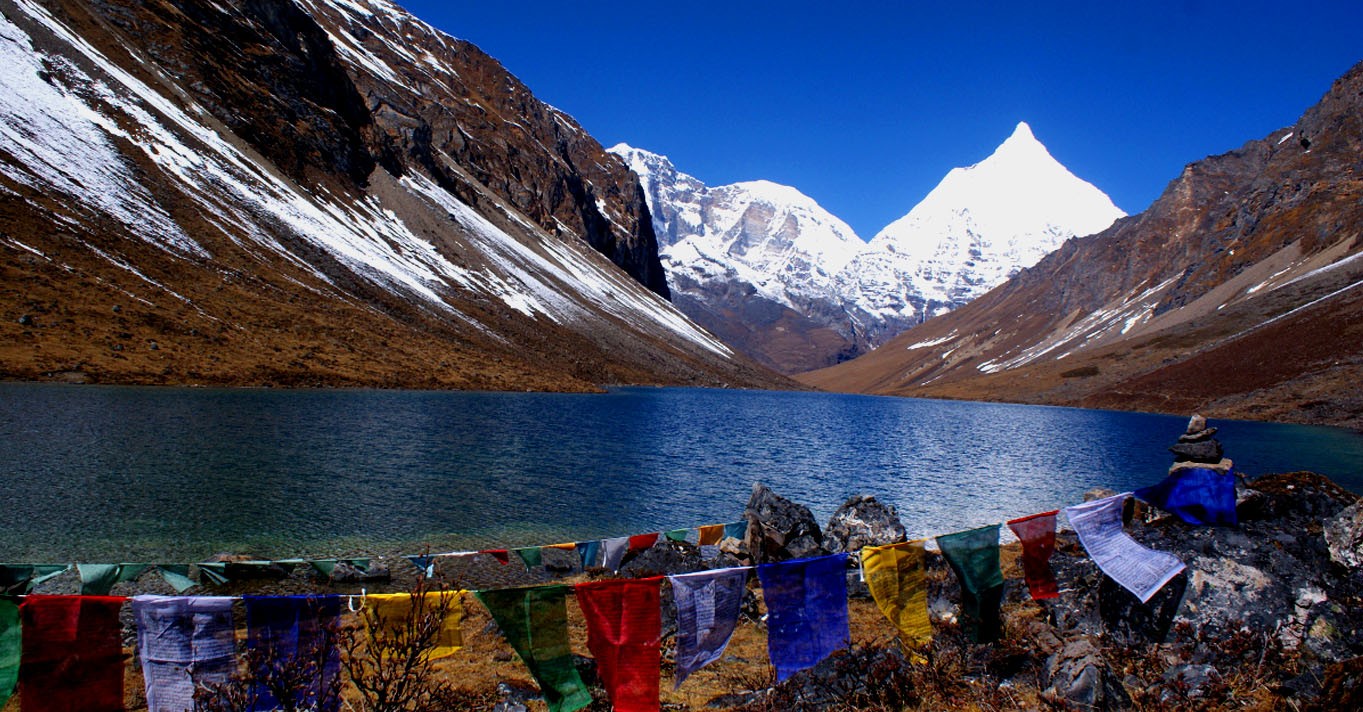
The Jomolhari Trek is one of Bhutan’s most captivating adventure journeys, offering trekkers an unforgettable blend of natural splendor and cultural immersion. Your adventure begins with an acclimatization hike to the iconic Tiger’s Nest Monastery, perched dramatically on a cliff above the Paro Valley. From there, the trek officially starts at the historic ruins of Drugyel Dzong, located in northern Paro Valley. Over the first three days, you’ll follow the scenic Pachhu (Paro River) valley, eventually reaching Jangothang Basecamp, where you’ll enjoy breathtaking views of Mount Jomolhari (7,315m)—the second-highest unclimbed peak in the world.
At the basecamp, an acclimatization day allows for exploration of nearby ridges or an optional hike to stunning twin lakes, preparing you for the days ahead.
Highlights of the Trek
- Himalayan Serenity: Trek through pristine valleys and rivers, surrounded by Bhutan’s untouched wilderness.
- Sacred Peaks: Admire unparalleled views of Mount Jomolhari, Mount Jichu Drake (6,989m), and Tshrim Gang (6,789m).
- Cultural Immersion: Pass through traditional settlements like Lingzhi, Bhutan’s highest village, known for its unique mountain culture.
- Guided Expertise: The trek is fully guided by an experienced, English-speaking professional who ensures both safety and deeper cultural understanding.
Trek Overview
- Tiger’s Nest Acclimatization Hike: Begin with a visit to Bhutan’s iconic Taktsang Monastery, the perfect preparation for your trek.
Start at Drugyel Dzong: Embark on the trek from this historic fortress, traveling along the Pachhu River Valley. - Reach Jangothang Basecamp: Marvel at the stunning landscapes and enjoy a day for acclimatization at the basecamp, surrounded by sacred peaks.
- Explore Lingzhi and Beyond: Venture through Lingzhi, Bhutan’s northernmost settlement, rich in heritage and surrounded by dramatic mountain scenery.
- Descend to Thimphu Valley: Experience Bhutan’s varied topography, from high-altitude passes to lush valleys and striking canyons, ending your trek north of Thimphu.
-
#image_title
-

-

Fly to Paro from Delhi, Bangkok, Singapore, Dubai or Kathmandu, enjoying breathtaking views of the Himalayan mountains. The Kathmandu route offers closer glimpses of iconic peaks like Mount Everest (8,849m), Lhotse (8,515m), Makalu (8,481m), and Kanchenjunga (8,586m). Shortly before landing, admire sacred peaks such as Mount Jumolhari (7,326m) and Jichu Drake (6,662m). Upon arrival, meet our guide and head to a local restaurant for lunch. If time permits, visit:
- Rinpung Dzong: A 1646-built fortress housing government offices and monks.
- Traditional Wooden Bridge: A picturesque spot near the Dzong.
- Kichu Monastery: An ancient 8th-century temple.
- Drukgyal Dzong Ruins: Built in 1646 to commemorate Bhutan’s victory over Tibetan invaders.
Stroll through Paro town in the evening.
Overnight in Paro.
After breakfast, embark on a scenic hike to Taktsang Temple (Tiger’s Nest), perched at 3,100m. A short drive leads to the trailhead, followed by a hike through pine and fir forests. Stop for views of the Paro Valley and photograph the iconic monastery. Descend via a waterfall to the monastery. After exploring, return to the trail base and drive back to the hotel. Optional: Stroll through Paro town.
Overnight in Paro.
15km | 5–6 hours | 300m ascent | 60m descent | Camp altitude: 2,870m
Drive 12km from Paro to Drugyel Dzong, the trek’s starting point. Follow a gentle trail along the Pachhu River, passing rice terraces, orchards, and traditional farmhouses. Cross the Gunitsawa Army Post for a permit check, then proceed to Sharna Zampa.
Camp amidst scenic meadows.
20km | 8–9 hours | 900m ascent | Camp altitude: 3,750m
The trail continues alongside the Pachhu River, ascending and descending through pine, oak, and spruce forests. Pass through Shingkharap (3,110m) and cross a wooden bridge before climbing through rhododendron forests.
Reach the camp set in picturesque meadows.
17km | 4–5 hours | 290m ascent | Camp altitude: 4,040m
Ascend past the tree line (3,700m) to an army camp. Enjoy stunning mountain views while walking through yak herder settlements. After a hot lunch, trek across a plateau to Jangothang Base Camp.
The campsite offers spectacular views of Mount Jumolhari and Jichu Drake.
Choose between a 4-hour hike to Mount Jichu Drakye (4,895m) for panoramic views or a 2-hour excursion to the twin Tshophu Lakes. Spot rare wildlife like blue sheep and golden eagles.
Alternatively, relax at the camp, surrounded by breathtaking landscapes.
18km | 6–7 hours | 800m ascent | 730m descent | Camp altitude: 4,010m
Follow the stream, cross a bridge, and climb to Ngye La Pass (4,830m). Descend to Lingshi, enjoying views of peaks like Jumolhari and Lingshi Dzong. Visit the fortress, a historic rest stop for pilgrims and a defense post.
Overnight at camp.
19km | 7–8 hours | 940m ascent | 920m descent | Camp altitude: 4,100m
Climb to Yeli La Pass (4,942m) for panoramic mountain views, then descend to a meadow camp at Shodu. Pass treeless valleys, cross streams, and enjoy stunning vistas along the way.
16km | 5–6 hours | 250m ascent | 670m descent | Camp altitude: 3,600m
Descend through alpine forests along the Thimphu River, with views of waterfalls and rocky cliffs. Stop for a riverside lunch, then ascend to the ruins of Barshong Dzong.
Camp near the old fort ruins.
17km | 4–5 hours | 200m ascent | 280m descent
Begin with a gentle climb, then descend through dense forests to the Thimphu Chhu River. Follow the river to Dodena (2,600m), where transport awaits to take you to Thimphu.
Drive to Punakha via Dochu La Pass (3,100m), marked by 108 chortens. Enjoy panoramic Himalayan views before descending through forests. Stop at Metsina for a hike to Chimi Lhakhang Temple, dedicated to Drukpa Kuenley, the Divine Madman. Visit the majestic Punakha Dzong, set between two rivers.
Overnight in Punakha.
Return to Paro, stopping at Dochu La Pass to visit the Druk Wangyel Monastery with its unique murals. In Thimphu, explore the Centenary Farmers Market (weekends only) to experience local life and vibrant produce displays. Arrive in Paro for a relaxing evening.
Overnight in Paro.
Transfer to Paro International Airport for your flight home. Farewell and safe travels!
Back to home
This itinerary is not suited for you? Plan your own trip.
The optimal trekking seasons for the Jomolhari Trek typically fall between March–May and September–November. During these months, the weather is generally stable, offering clear mountain views, vibrant wildflowers (in spring), and comfortable daytime temperatures. Early booking is recommended to secure permits and ensure availability.
The Jomolhari Trek is considered a moderately challenging Himalayan trek, involving daily hikes of 5–8 hours and significant altitude gains (up to 4,942m). A good level of cardiovascular fitness, prior hiking experience, and proper acclimatization are essential. Most trekkers benefit from a pre-trip training regimen focused on endurance, strength, and altitude preparation.
Along the route, trekkers encounter centuries-old fortresses (Dzongs), traditional Bhutanese villages like Lingzhi, and iconic religious landmarks, including the Tiger’s Nest Monastery. These stops provide unique insights into Bhutan’s mountain culture, local customs, and rich spiritual traditions, ensuring that the journey is as culturally enriching as it is visually spectacular.
Prior acclimatization is key to managing high-altitude trekking. Many trekkers spend a few days in Paro before starting the hike, including an acclimatization trek to the Tiger’s Nest Monastery. Staying hydrated, ascending gradually, and following your guide’s advice also help mitigate altitude sickness. Packing medication (as advised by a medical professional) and trekking slowly will ensure a safer and more comfortable experience.
Yes, many travelers choose to enrich their journey with a Bhutan Trip Extension. These tailored add-ons may include exploring Bhutan’s sacred temples and festivals, visiting other valleys like Punakha, or participating in traditional cultural activities. Planning an extension before the trek can further aid in acclimatization, allowing you to fully enjoy the high-altitude adventure ahead.
- Airport pick-up and drop-off by private vehicle.
- 3-star accommodation (4 & 5 stars may require an additional premium update).
- Bhutan visa fee – including all necessary processing
- Route Permit
- Three meals per day during your stay in Bhutan
- A licensed Bhutanese tour guide
- All land transportation by private vehicle
- Camping equipment and haulage for trekking tours
- Sightseeing as per itinerary
- Monuments entrance fees where applicable
- Drinking water
- All internal taxes and charges
- A sustainable development fee of $200. (This sustainable development fee goes towards free education, free healthcare, and poverty alleviation, along with the building of infrastructure.)
- Airfare & Travel Insurance
- Expenses of personal nature, Tips to guides and drivers
- Expenses occurred due to unavoidable events i.e. road wrecks, flight delays etc.
- Government Levy/Taxes & Visa Fee: All mandatory government charges and visa processing fees are covered.
- Private Transportation: Comfortable travel in a private vehicle throughout your journey.
- Accommodation: Stay at government-approved 3-star hotels, ensuring comfort and quality.
- Expert Guidance: An experienced, English-speaking guide to enhance your travel experience.
- Refreshments: Complimentary bottled water provided during vehicle travel.
- Permits & Entrance Fees: All necessary permits and entry fees for sightseeing and activities.
- Sleeping tents, sleeping mats, and pillows for your comfort.
- Dining tent, kitchen tent, and toilet tent to carry to all your needs in remote areas.
- Tables, chairs, utensils, and hot water bags for added convenience.
- A dedicated trekking chef and assistants to prepare meals on the trail.
- Horses to carry trekking equipment and food supplies.
- Airfare: International or domestic flights to and from the destination.
- Insurance: Travel, health, or trekking insurance coverage.
- Laundry services.
- Drinks, beverages, or alcohol.
- Phone and internet usage, or other staff.
- Tips: Gratuities for guides, drivers, or other staff.
- Wire transfer chargers or credit card fees.
- Sleeping bag rental or purchase.
Any costs of a personal nature not specified above.
- Best Time to Trek: March to May and September to November offer the most favorable trekking conditions.
- Trip Grade: Moderate to Hard, suitable for trekkers with a basic fitness level.
- Key Highlights: Cultural immersion, scenic beauty, biodiversity, and guided expertise.
- Essentials: Trekking poles, sleeping bag, headlamp, reusable water bottles, and a basic first-aid kit.
- Permits and Regulations: Bhutan requires booking through licensed tour operators like us and obtaining trekking permits. Environmental conservation is strictly enforced.
- Accommodation: Well-equipped campsites during the trek and comfortable hotels in Paro, Thimphu, and Punakha.
Embark on the Jomolhari Trek in Bhutan and immerse yourself in one of the Himalayan region’s most rewarding trekking adventures. This high-altitude journey combines breathtaking views of sacred peaks like Mount Jomolhari with an enriching cultural experience, including visits to traditional villages and ancient monasteries. Begin your acclimatisation with a hike to the iconic Tiger’s Nest Monastery before following scenic routes through pristine valleys, yak-herder settlements, and rhododendron forests.
Throughout the trek, you’ll gain insights into Bhutan’s unique heritage—its remote mountain culture, centuries-old fortress architecture, and enduring spiritual traditions. Experienced, English-speaking guides ensure both your safety and a deeper cultural connection. By choosing the Jomolhari Trek, you’re not only witnessing Bhutan’s serene landscapes and rich biodiversity but also partaking in a carefully curated adventure that respects the country’s tightly controlled tourism model, preserving its pristine environment.
For those seeking even more exploration, optional Bhutan trip extensions offer opportunities to discover vibrant festivals, historic temples, and additional acclimatisation. This well-rounded trekking itinerary provides adventure seekers, cultural enthusiasts, and nature lovers the ultimate Himalayan travel experience.
The Jomolhari Trek is more than just a hike—it’s a transformative journey into the heart of Bhutan’s timeless allure.
Bhutan Travel Info
Travel Essentials
- Travel/Medical Insurance: Ensure a worry-free journey with Bhutan's dedicated travel and medical insurance plans offered by the Royal Insurance Corporation of Bhutan. Visit RICB for more information.
- Banking: Modern banking facilities are available in urban areas of Bhutan, with banks like Bank of Bhutan Limited, Druk PNB, and Bhutan National Bank. ATMs are common in Thimphu and Phuentsholing, but scarce in rural areas. Complete your banking in major cities.
- Money Matters: Bhutan's currency is the Ngultrum (Nu), which is equivalent in value to the Indian Rupee. Foreign travelers should bring traveler’s cheques or cash, especially USD. Credit cards like Visa and American Express are accepted in most areas.
- Communication: Bhutan's telecommunications are well-developed with internet cafes, mobile phone coverage, and international roaming available in most towns.
- Electricity: Bhutan operates on 230 volts and 50 Hertz. Ensure your devices are compatible with the three types of plugs commonly used.
- Time Zone: Bhutan's time is six hours ahead of GMT.
Health, Safety, and Customs
- Health and Inoculations: Recommended vaccinations include tetanus, typhoid, and hepatitis A. Avoid untreated water and ice cubes; instead, opt for bottled water, which is readily available.
- Safety Precautions: Bhutan is generally safe, but avoid walking alone or staying out late, especially after 9 PM. Secure your belongings, particularly in the capital, Thimphu.
- Customs Regulations: Personal belongings, 1 liter of alcohol, 200 cigarettes, and professional equipment are exempt from customs duty. Importing restricted items, such as wildlife products, antiques, and drugs, is prohibited.
Accommodation, Food, and Shopping
- Accommodation: Bhutan offers a range of accommodations, from quality 3-star to luxury 5-star hotels in places like Thimphu, Paro, and Punakha. Travelers can also opt for camping when venturing beyond urban areas.
- Food: Bhutanese cuisine is rich and spicy, featuring dishes like ema datshi. International cuisine such as Indian, Continental, and Chinese is available in most restaurants, with both vegetarian and non-vegetarian options.
- Shopping: Bhutan offers unique handicrafts, including hand-woven textiles, wooden bowls (Dapas), silver statues, Thangkas, and local postage stamps. Note that the buying and selling of antiques is strictly prohibited.
Travel Kits and Clothing
- Clothing and Essentials: Bhutan's climate is diverse, so dress in layers and pack accordingly. Respectful clothing is required when visiting monasteries and religious sites, and hats should be removed in sacred areas.
- Travel Kits: Pack items like sunscreen, sunglasses, insect repellent, antihistamine cream, anti-diarrhea pills, a flashlight, warm clothes, and a hat. The diverse climate means temperatures range from 20-25°C in summer to below 15°C in winter.
Experiences and Activities
- Photography: Capture Bhutan's stunning landscapes, rural life, and architecture. Indoor photography in sacred sites requires special permission.
- Guides and Interpreters: Bhutan offers certified guides fluent in various languages, ensuring you get the best experience when visiting sacred sites and cultural landmarks.
- Festivals and Holidays: Each district in Bhutan celebrates its unique annual tshechu. Check local schedules to plan your visit around these vibrant festivals.
- Weights and Measures: Bhutan uses metric measurements for weight, with advanced electronic scales commonly found in major cities.


- Best Price Guaranteed
- Book Now, Pay Later
- Local Expertise
- Hand-Picked Hotels
- Value for money
- Quality Service
- Responsible Tourism
- Tailor-Made Holidays
- No Booking Fee
- 100% Visa Approval
- 24/7 Customer Service
- No Hidden Costs