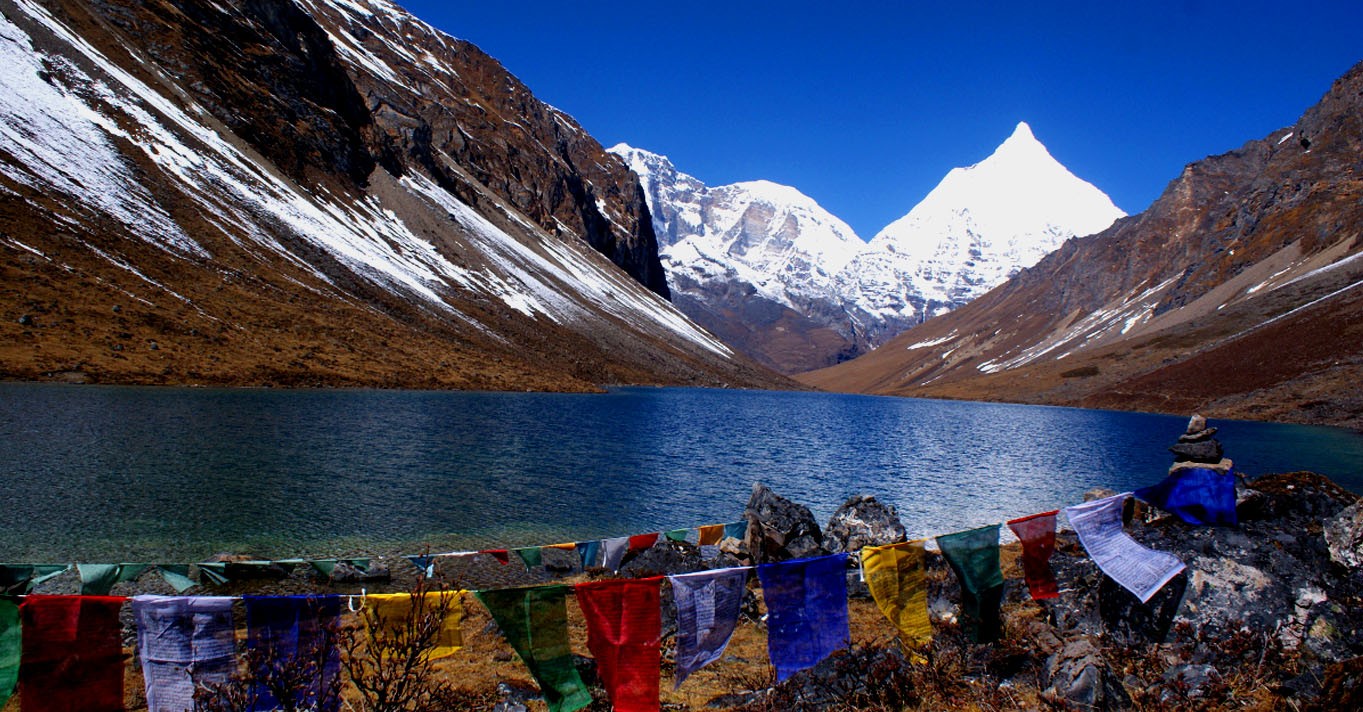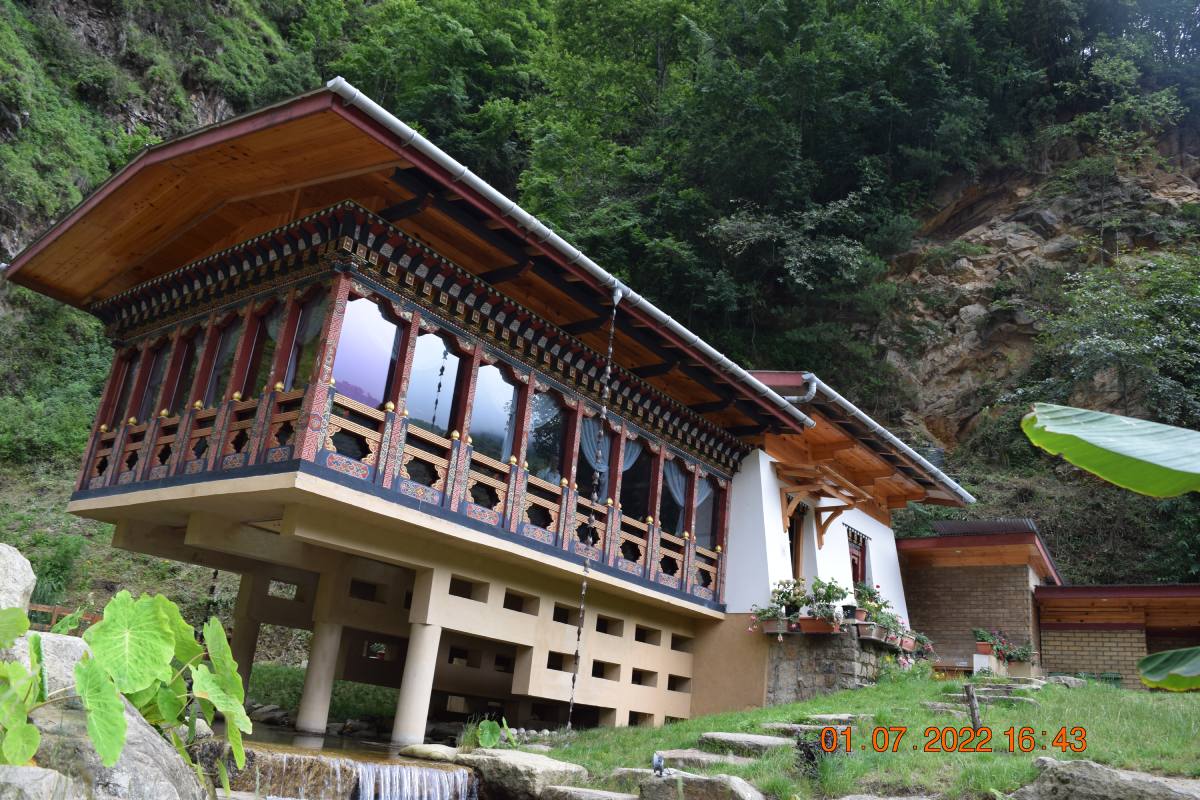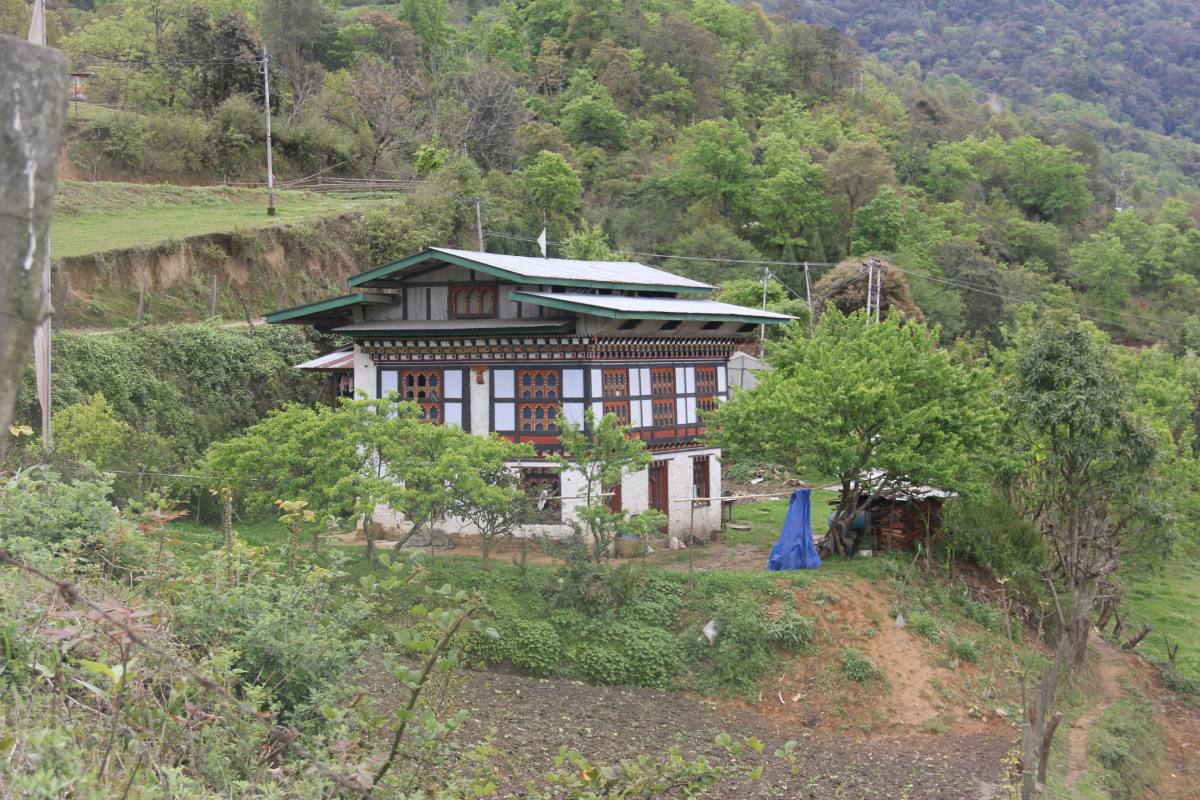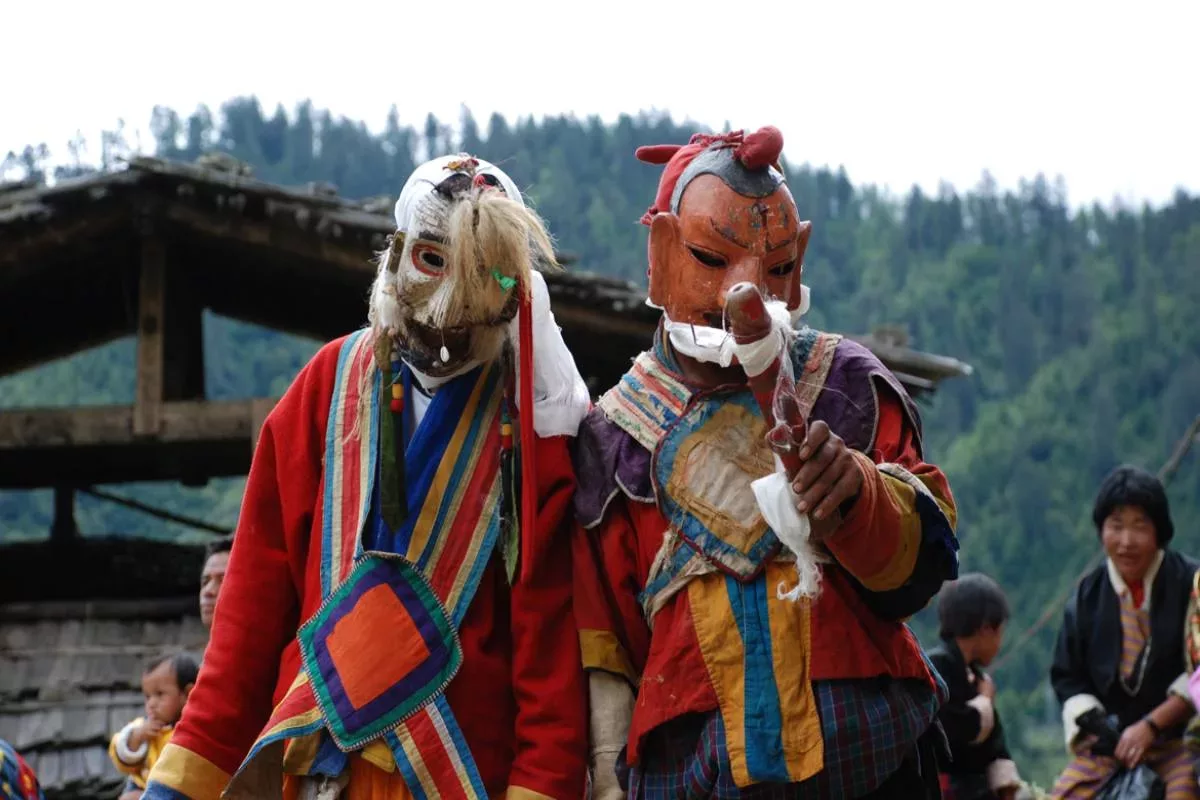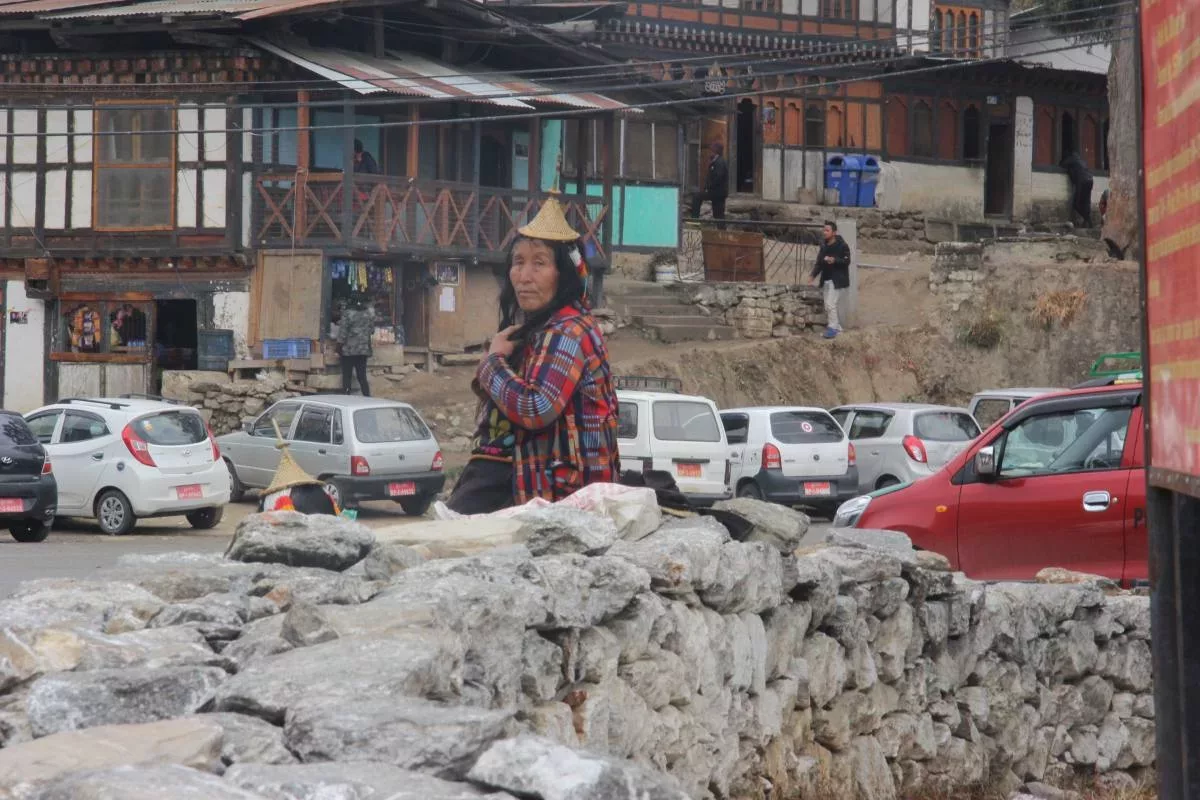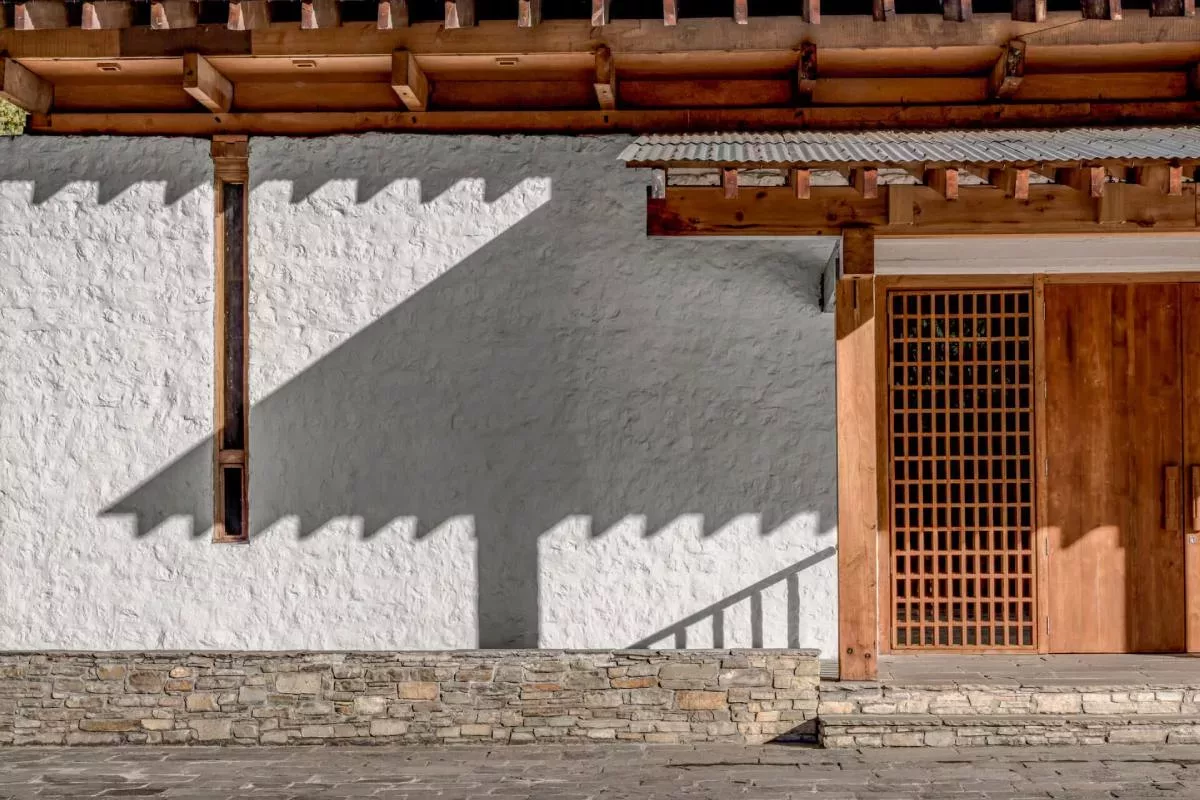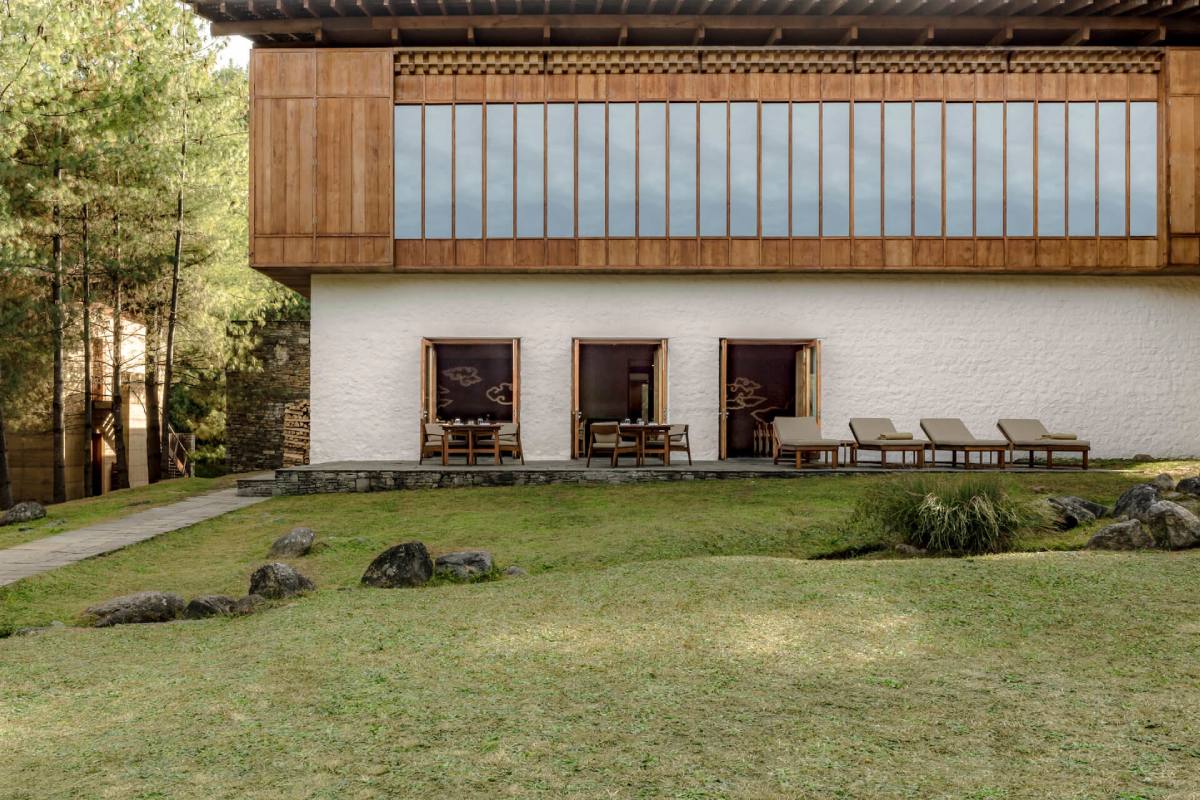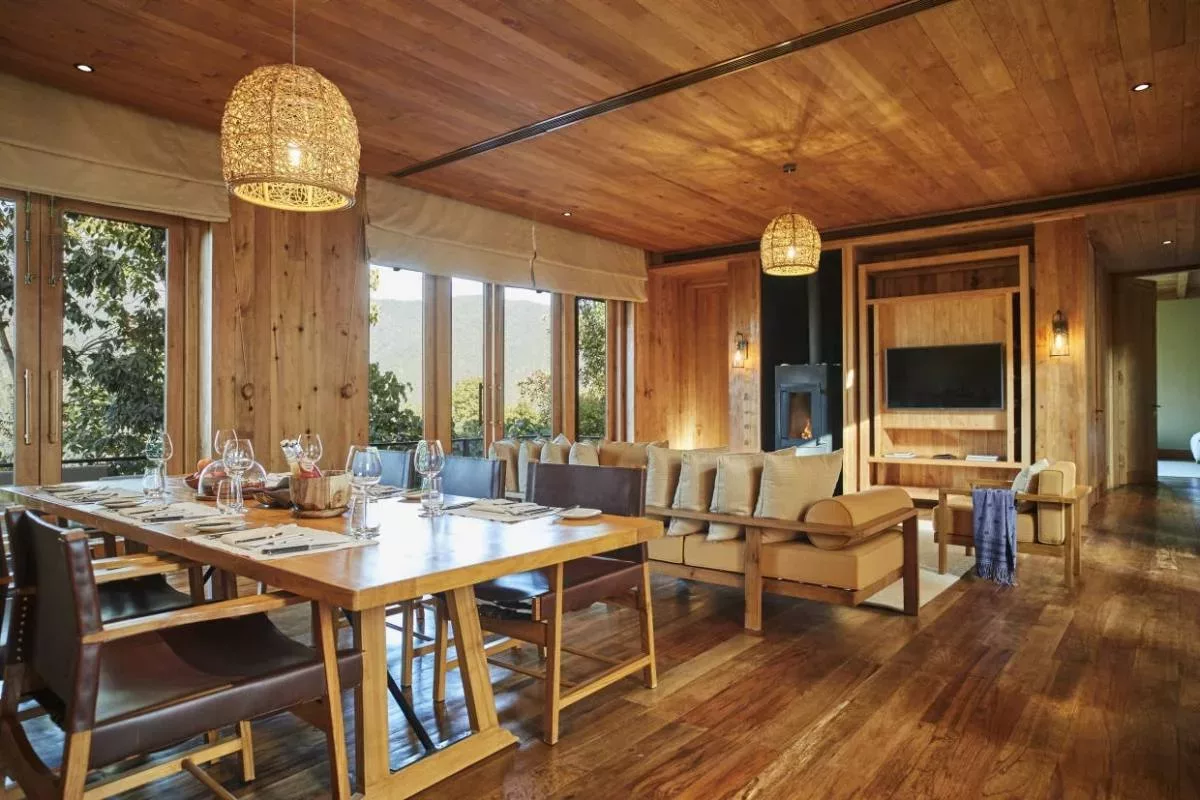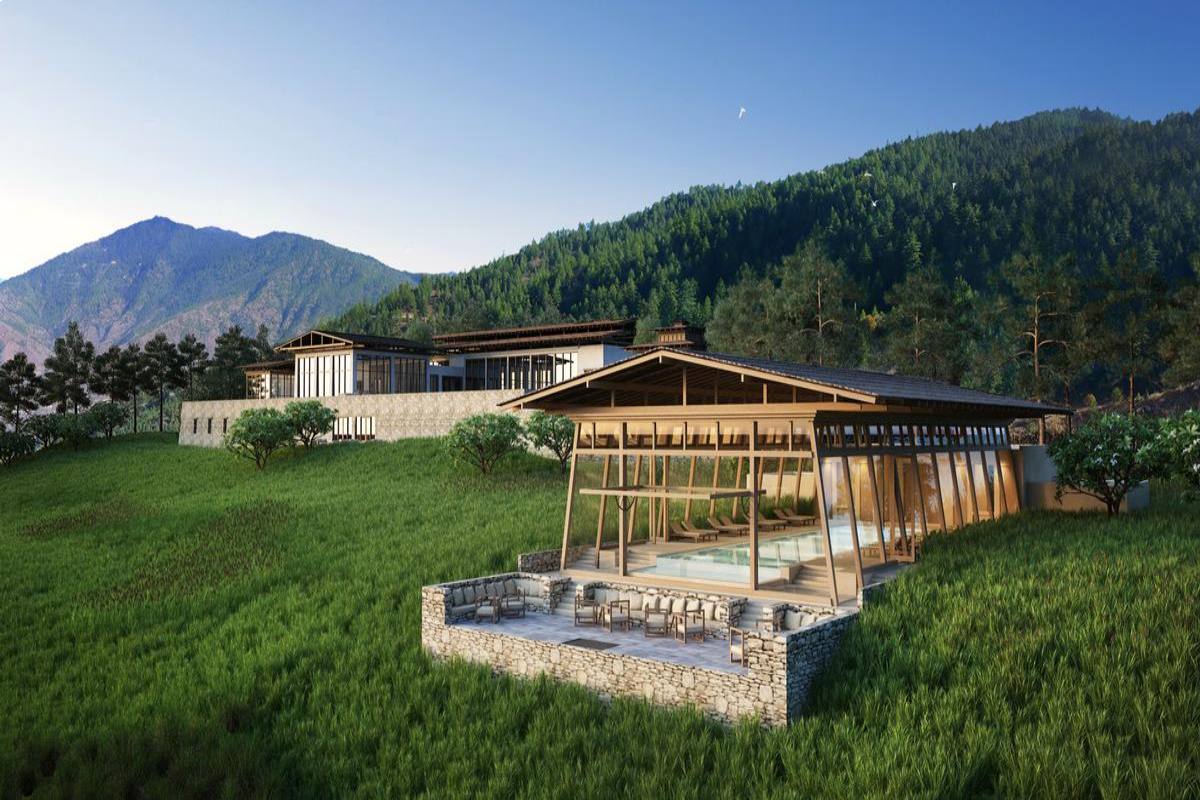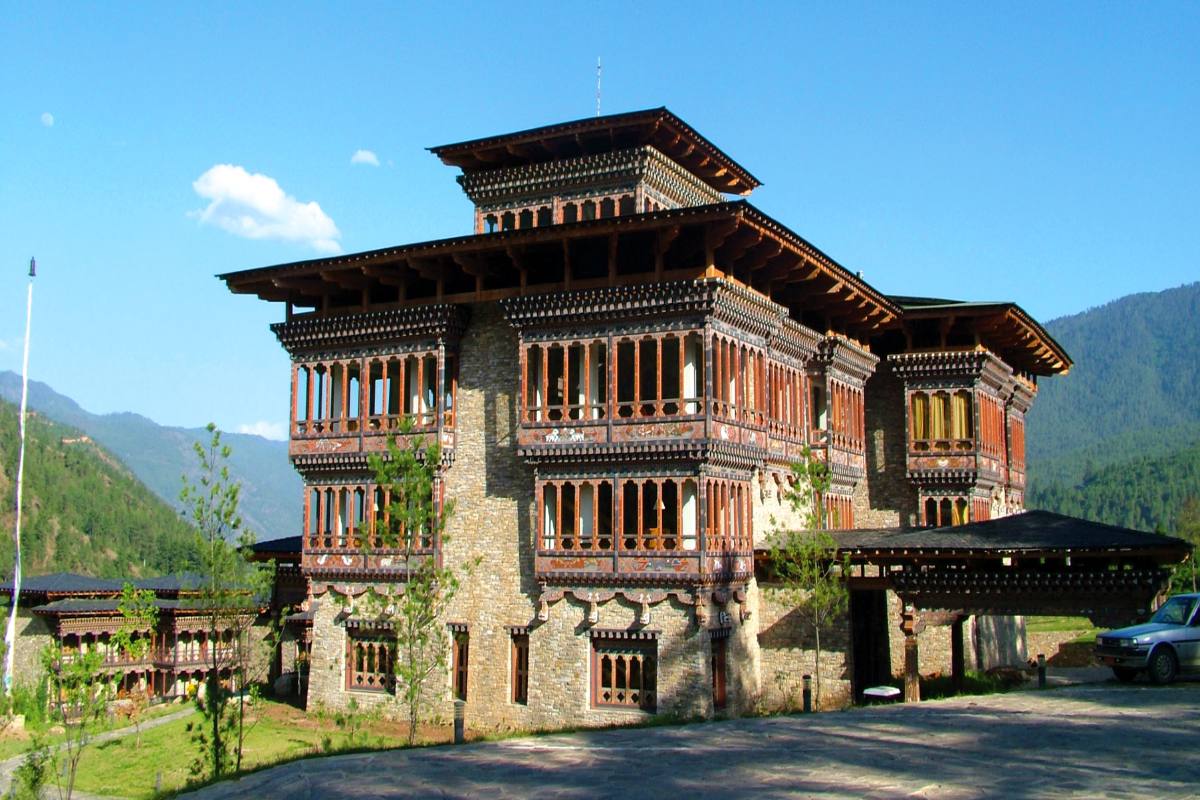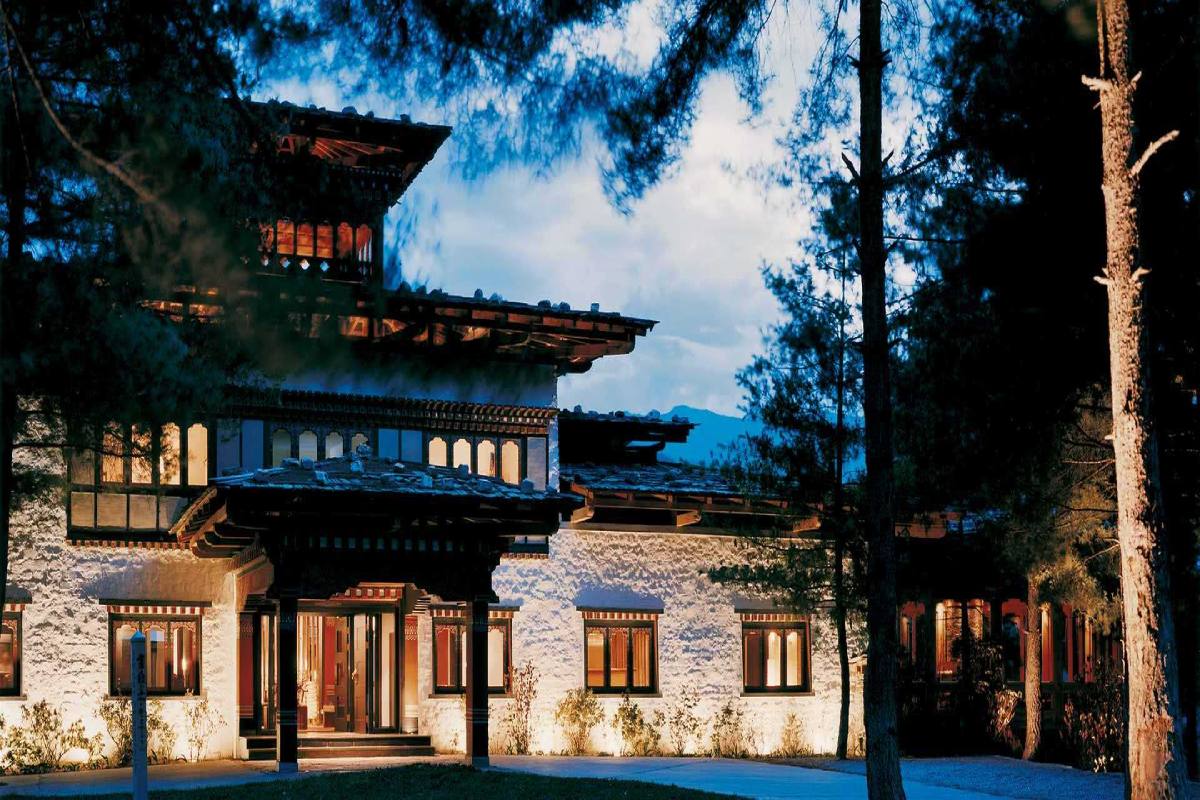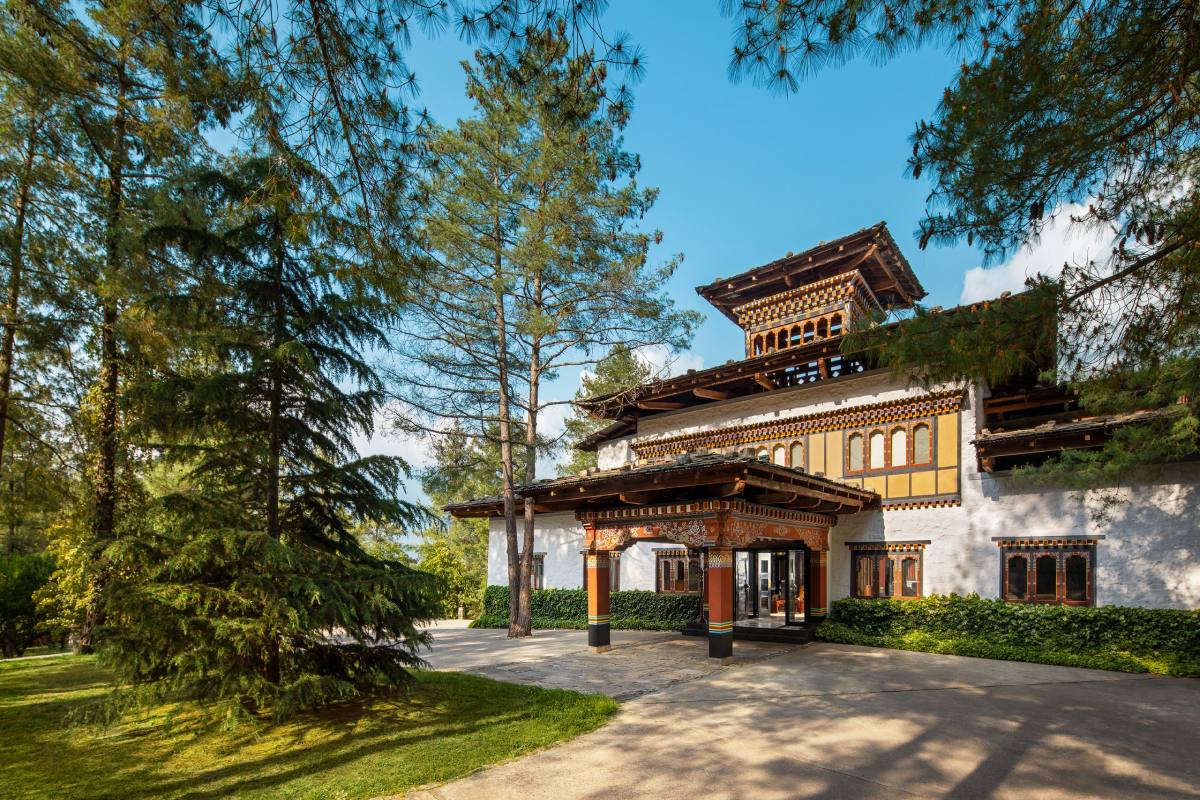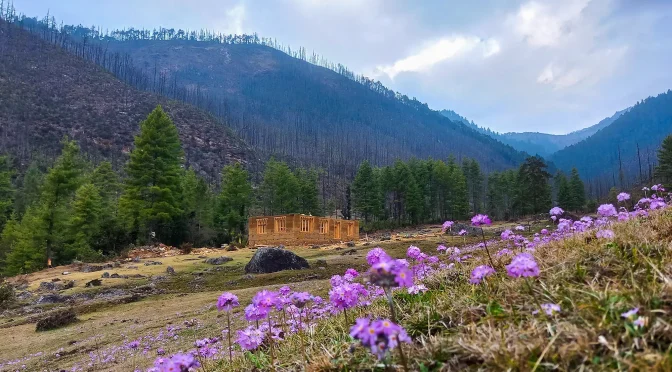
Katsho Eco Camp gives travelers a simple nature stay in Haa Valley. The camp sits near trails, farms, and mountain views. Meanwhile, local hosts share stories and food. The experience suits guests who value quiet travel.
Katsho Eco Camp: key context
A close connection with Haa
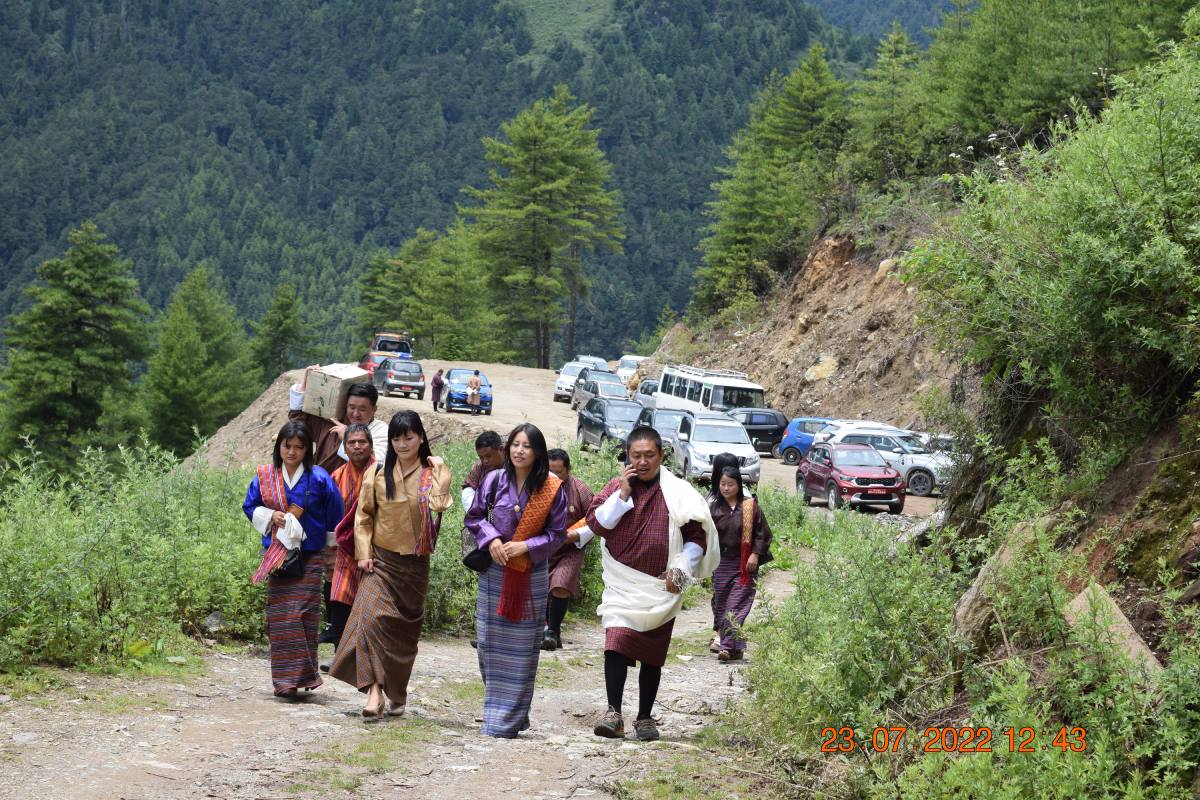
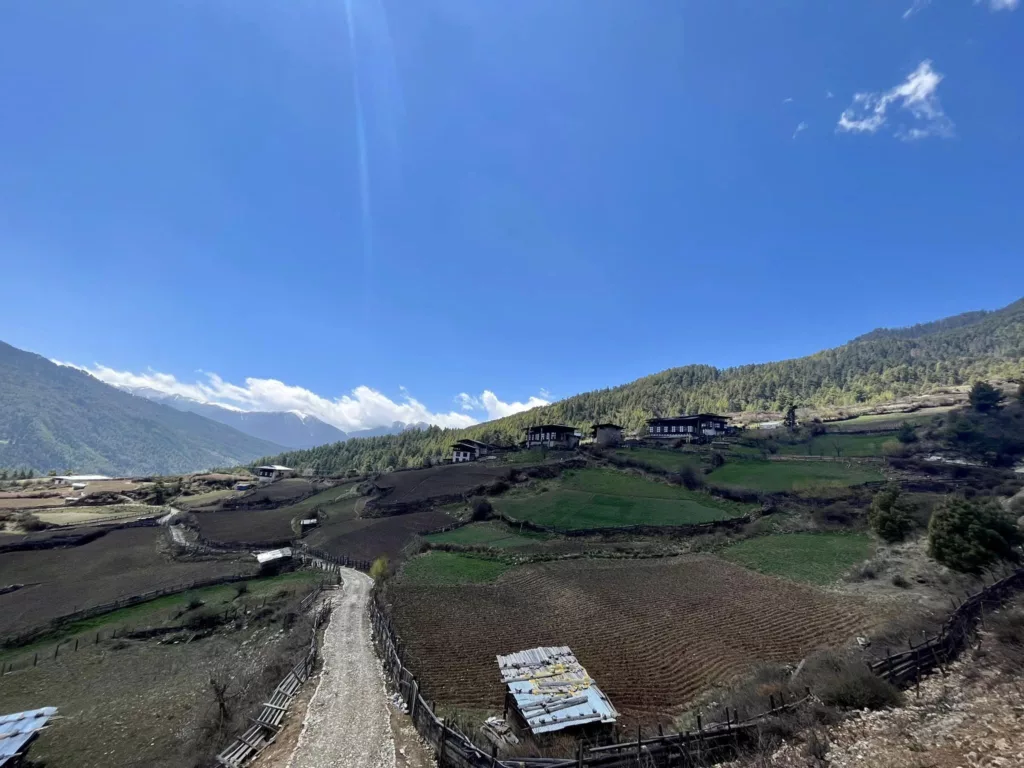
Haa remains one of Bhutan’s less crowded western valleys. Pine forests cover the slopes. Traditional homes line open fields. Therefore, the area feels peaceful and spacious.
The camp stands at about 2,900 meters. Cool evenings can arrive in every season. Bring warm layers and firm walking shoes. In addition, pack a reusable bottle.
Low-impact outdoor experiences
Guests can walk on local paths and watch birds near the camp. They may also explore villages with a guide. However, routes should match the weather and each guest’s fitness.
Katsho Eco Camp encourages a light footprint. Use water with care and avoid single-use plastic. Moreover, keep noise low after dark. These habits protect the setting.
Support local hosts
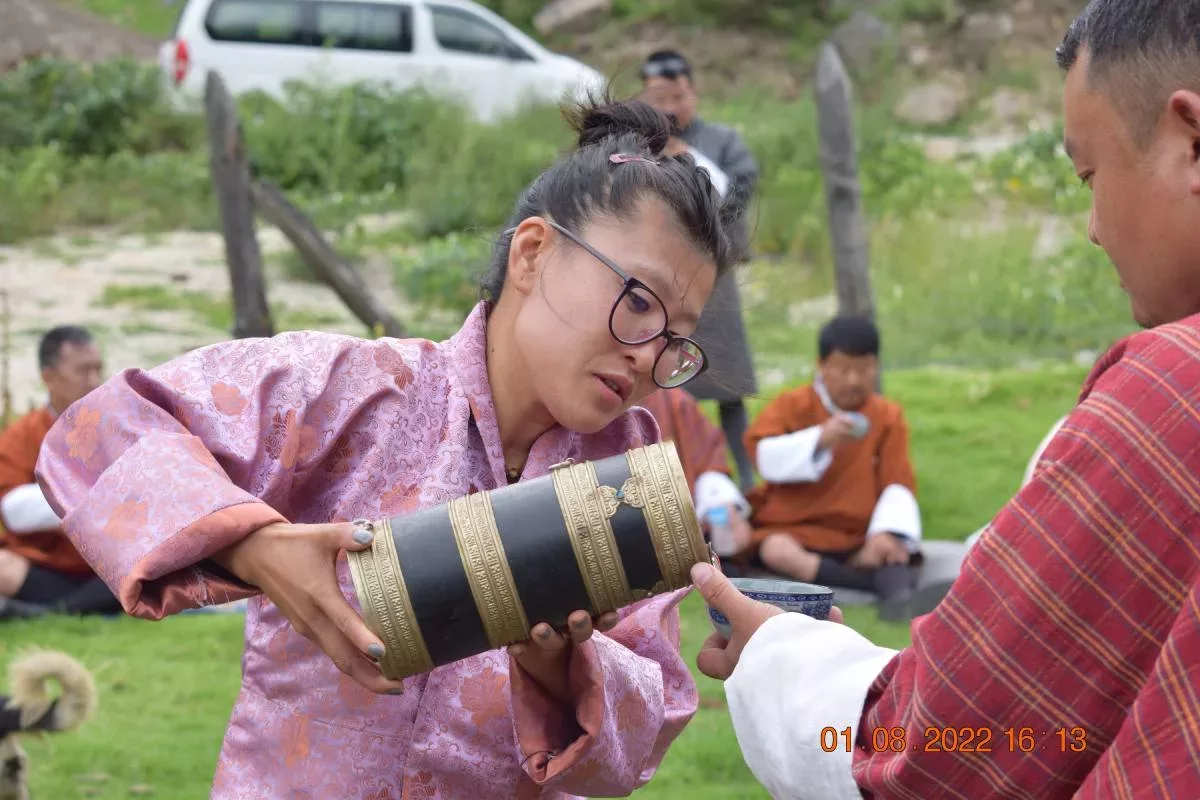
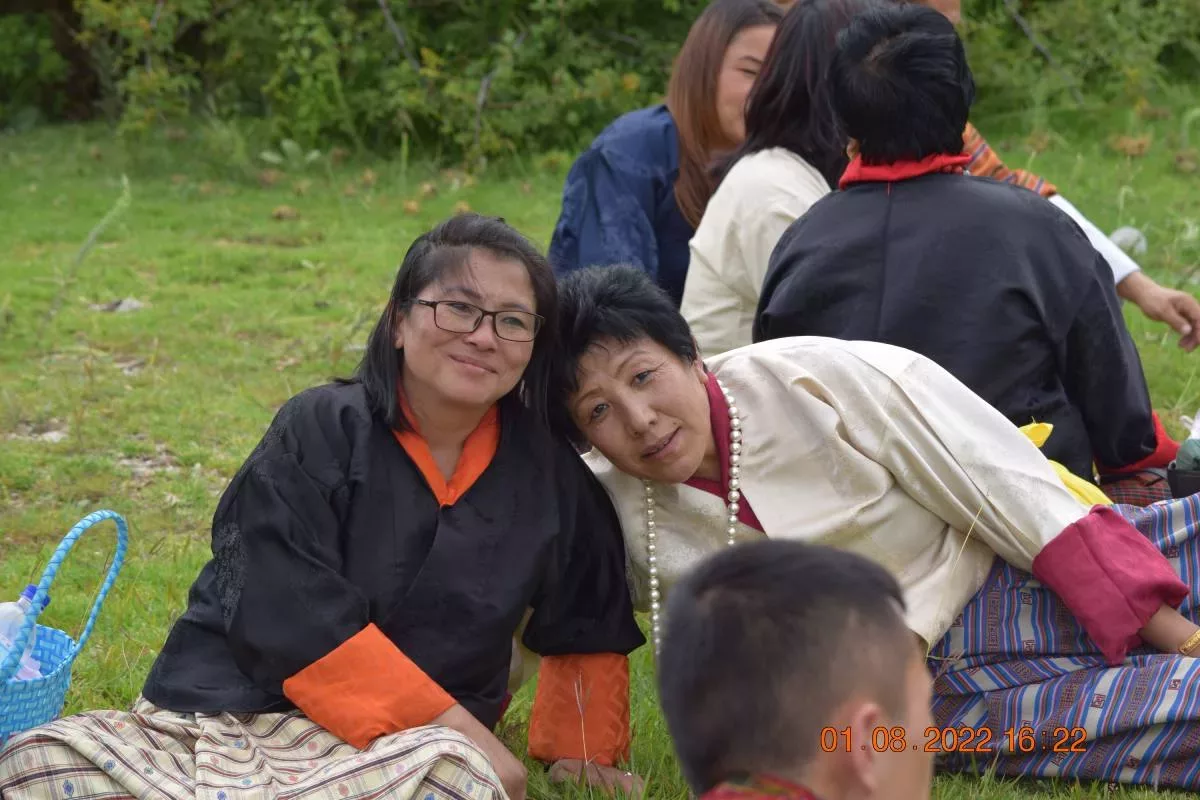
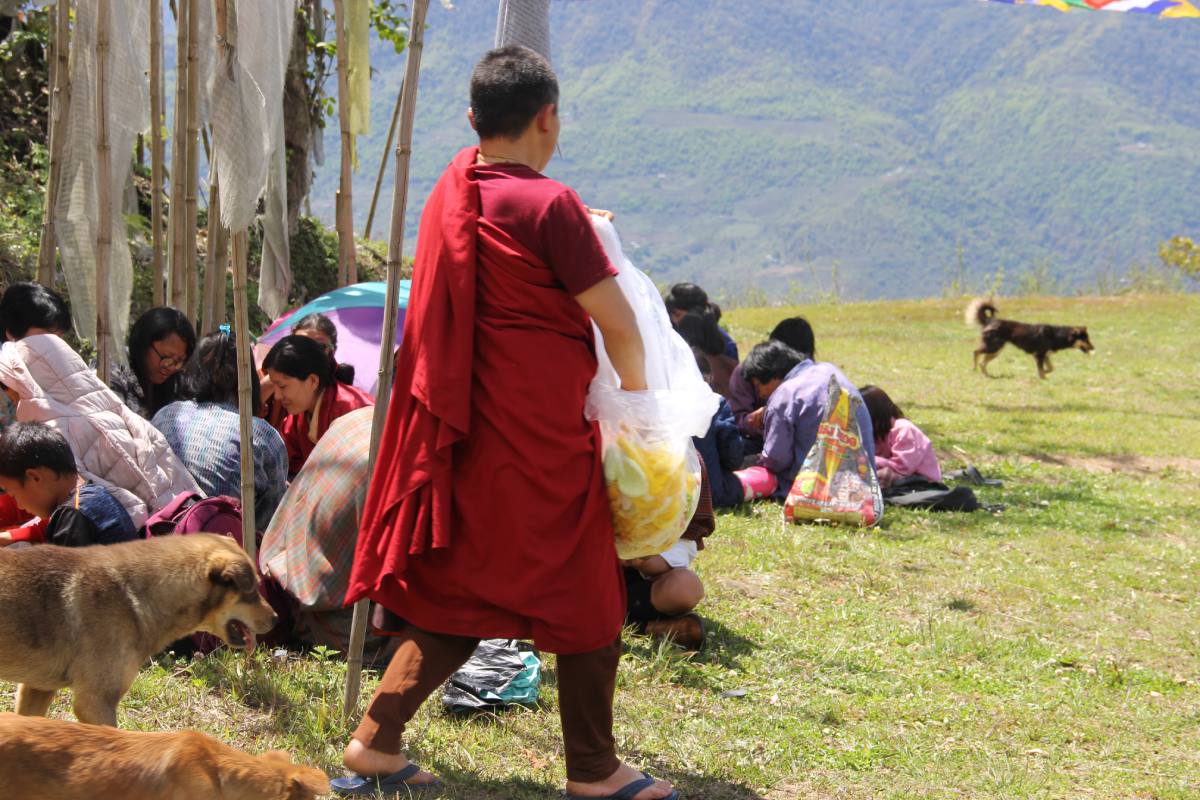
Community stays keep more travel income in the valley. For example, local teams can provide meals, guiding, and transport. Guests also gain direct cultural insight.
Ask before photographing people or homes. Therefore, every meeting starts with respect. A few words of thanks can create a warm connection.
Responsible choices
Good travel begins with accurate information and respect. First, check current local guidance before making firm plans. Then choose services that support Bhutanese workers and communities. In addition, carry reusable items and leave every place clean.
Allow enough time for weather, roads, and local schedules. However, avoid treating a journey like a checklist. Slow visits create better conversations and stronger memories. Therefore, listen to your guide and stay open to small changes.
Keep the experience clear and calm
Good plans do not need to feel hard. Start with one clear goal. Keep each day light. Ask short questions when facts seem unclear. Take time to rest. Also, leave room for a new idea.
A guide can help at each step. Talk about your needs before the day starts. Then check the plan as you go. If rain comes, slow down. If the sun stays out, enjoy the view.
Small acts can show care. Use less waste. Share space with local people. Keep noise low near homes and temples. Finally, say thank you when someone helps. Kind words can make a real bond.
Take time to notice more
Look at the hills and sky. Hear the wind and birds. Watch how light can shift through the day. Also, note the small signs of life near each road and home.
Do not rush from one stop to the next. Sit down when you can. Talk with your guide. Then ask what a place means to local people. A calm pace can teach you more.
At the end of the day, think back on what felt new. Share that thought with your group. Finally, write a few notes while the day still feels fresh.
Plan with reliable local advice
For current travel information, visit the official Bhutan tourism website. You can also explore our Bhutan tour packages. Meanwhile, a local expert can explain seasonal details.
Katsho Eco Camp offers a useful way to understand Bhutan. Finally, thoughtful planning protects your time and the places you visit. Contact Truly Bhutan Travel for local support.
Updated July 2026 for clear travel planning and current context.
Frequently asked questions
Where is Katsho Eco Camp?
The camp sits in Haa Valley at about 2,900 meters, near farms, forests, and local walking paths.
What can guests do there?
Guests can enjoy village walks, birdwatching, local meals, and quiet time in the valley.
How does a stay support Haa?
Local hosts provide food, guiding, and services, so more travel income stays within the community.