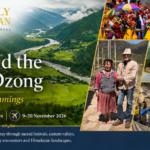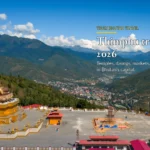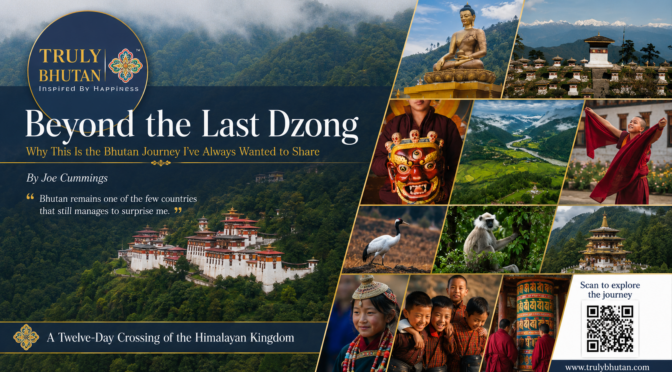
Why Does Bhutan Still Surprise Experienced Travellers?
By Joe Cummings.
Thank you for reading this post, don't forget to subscribe!The first thing that surprises many visitors about Bhutan isn’t the monasteries. It isn’t the mountains. It isn’t even the absence of traffic lights.
It’s the silence.
Within minutes of leaving Paro airport, the roar of jet engines gives way to the sound of rivers tumbling through pine forests, prayer flags snapping in the mountain wind and the occasional raven circling above a monastery roof. In most of Asia, movement is measured in speed. In Bhutan, it’s measured in altitude. Every pass crossed, every valley entered and every river followed introduces a different landscape, a different community and often a different way of life.
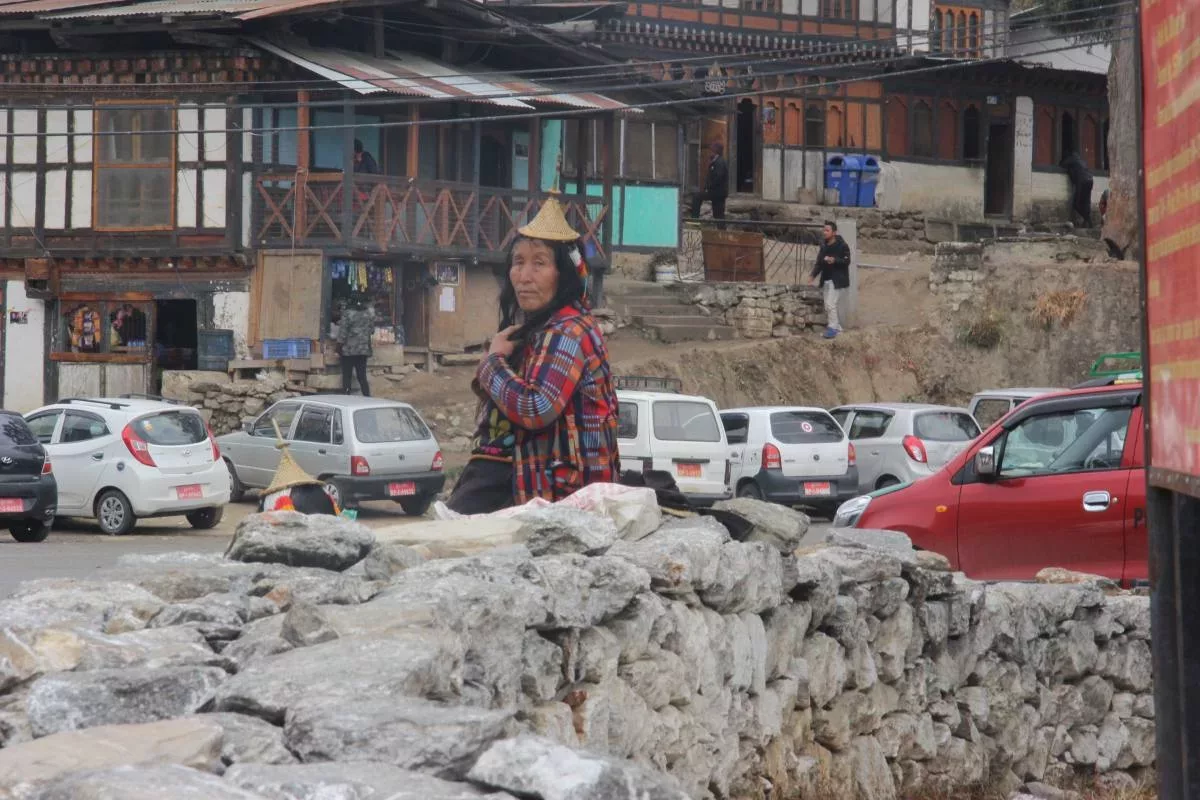
I’ve been travelling across Asia for more than four decades, and Bhutan remains one of the few countries that still manages to surprise me. Not because it has somehow escaped the modern world—that familiar cliché has never been entirely true—but because it has chosen to modernise at its own pace. Mobile phones are everywhere; satellite dishes dot village rooftops and teenagers stream Korean dramas. Yet beneath the surface, Bhutan remains profoundly shaped by Buddhism, by its rugged geography and by communities that still measure wealth in ways that have little to do with bank accounts.
 That’s what inspired this journey.
Why This Journey Goes Beyond Bhutan’s Familiar Western Circuit
Most visitors experience Bhutan through a predictable circuit: Paro, Thimphu, Punakha and perhaps Bumthang if they have extra time. Those places deserve every bit of their reputation. Tiger’s Nest Monastery alone is one of the world’s truly unforgettable pilgrimages, and Punakha Dzong remains, in my opinion, one of the most beautiful buildings anywhere in the Himalaya.
But Bhutan doesn’t end there.
In many ways, that’s where it begins.
Our route continues eastward, beyond the itineraries followed by most visitors, into valleys where tourism remains a curiosity rather than an industry. We’ll cross mountain passes that separate entirely different ecological worlds, descend into subtropical forests where critically endangered birds still survive, spend time in villages where hospitality isn’t something staged for visitors, and attend festivals that remain first and foremost celebrations for Bhutanese communities themselves.
This isn’t simply a sightseeing tour.
It’s an expedition across an entire country.
Western Bhutan: Paro, Thimphu, Punakha and Phobjikha
From Paro to Thimphu: Bhutan’s Living Capital
Every memorable journey needs an overture, and ours begins gently.
From Paro, we follow the Paro Chhu and Wang Chhu rivers toward Thimphu, the only national capital in the world without traffic lights. That fact always makes headlines, but it tells only part of the story. Thimphu is a fascinating contradiction: government ministries and monasteries, cafés serving excellent espresso alongside monks carrying prayer beads, archery grounds beside contemporary art galleries.
It’s a place where Bhutan reveals itself not as a museum, but as a living society negotiating the twenty-first century on its own terms.
Buddha Dordenma, the Takin Preserve and Traditional Paper-making
We’ll stand beneath the immense Buddha Dordenma, whose serene gaze stretches across the valley like a guardian watching over the capital. We’ll visit the takin preserve to meet Bhutan’s wonderfully improbable national animal—a creature that appears to have been assembled by committee from the spare parts of a goat, a wildebeest and a moose—and discover how handmade paper is still produced from the bark of native shrubs using techniques that have changed remarkably little over the centuries.
Thimphu Farmers’ Market and Everyday Bhutan
The farmers’ market offers another kind of introduction.
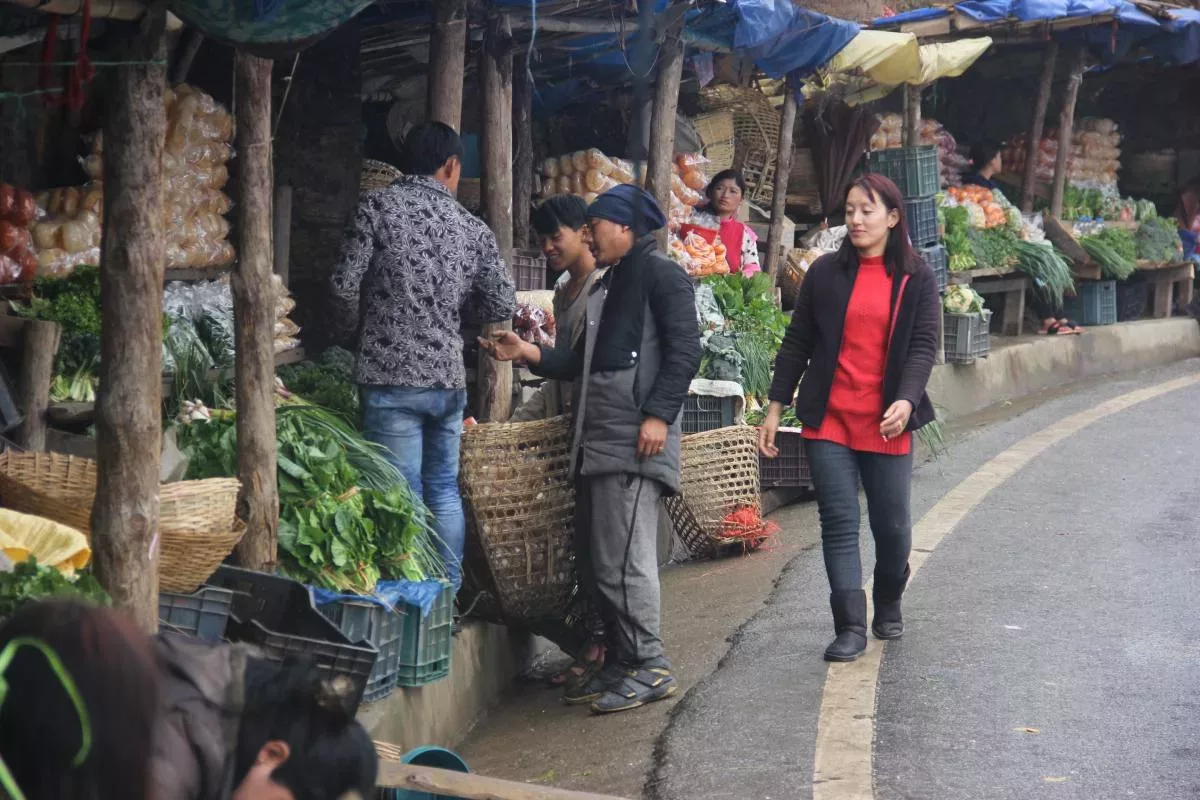
I’ve always believed markets tell you more about a country than museums do. They reveal what people actually eat, grow, trade and value. Here the stalls overflow with fiery red chillies drying in the mountain sun, wheels of farmhouse cheese, buckwheat, medicinal herbs, wild mushrooms and apples from nearby valleys. You’ll hear half a dozen regional dialects before you’ve walked from one end of the market to the other.
This is Bhutan in everyday mode.
Tomorrow, the mountains begin.
 Across Dochula Pass to Punakha
The road to Phobjikha is one of my favourite drives anywhere in the Himalaya.
We climb steadily through blue pine forests toward Dochula Pass, where 108 white chortens rise against an ever-changing backdrop of cloud and snow. On a clear November morning, the northern horizon seems almost impossibly distant, a jagged procession of Himalayan summits stretching beyond imagination.
Mountain passes have always fascinated me.
They’re more than geographical obstacles. They’re thresholds. Cross one and the forests change. The architecture changes. The crops change. Sometimes even the language changes. Bhutan’s dramatic topography compresses ecological zones that elsewhere would lie hundreds of kilometres apart.
Descending from Dochula into Punakha feels almost like travelling between countries. The cold mountain air softens, rice terraces begin to appear and subtropical vegetation replaces the high-altitude conifers.
Punakha itself occupies one of the most beautiful settings in Asia.
Punakha Dzong at the Pho Chhu and Mo Chhu
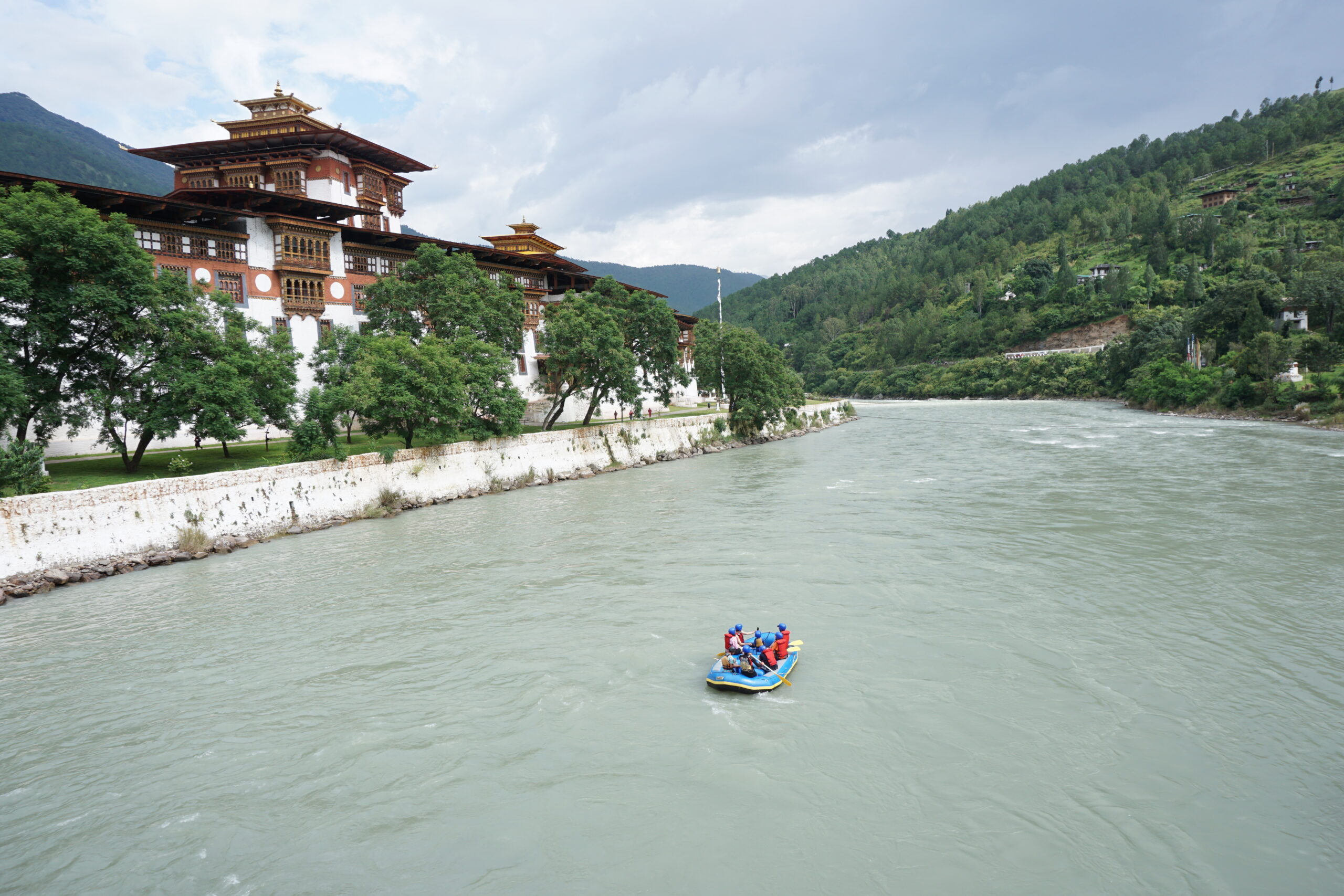
At the meeting of the Pho Chhu and Mo Chhu—the Father River and Mother River—stands Punakha Dzong, its whitewashed walls rising above turquoise water with extraordinary elegance. Even after countless visits, I still find myself stopping simply to admire the proportions of the building before walking inside.
No photograph quite prepares you for it.
Chimi Lhakhang and the Divine Madman
Nearby, we’ll visit Chimi Lhakhang, associated with one of Bhutan’s most beloved saints, Drukpa Kunley, the so-called Divine Madman. Few religious figures anywhere combined profound spiritual teaching with such outrageous humour. His irreverent approach to Buddhism still echoes through village folklore, colourful murals and a wonderfully earthy philosophy that reminds us enlightenment doesn’t always arrive wearing solemn robes.
By late afternoon, the road climbs once again.
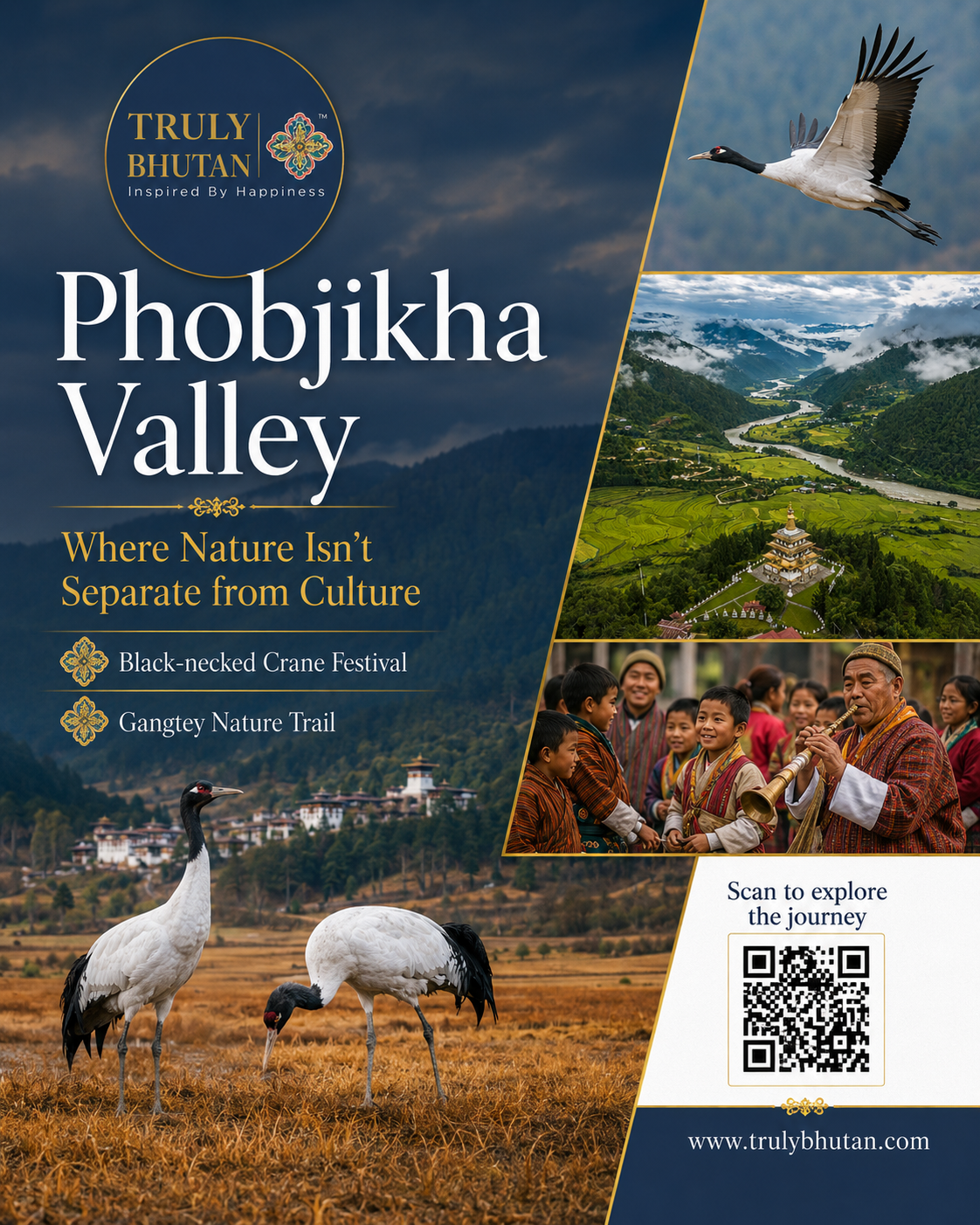
Phobjikha Valley and Bhutan’s Glacial Landscape
The destination is Phobjikha Valley.
If Punakha feels lush and generous, Phobjikha feels almost elemental. This broad glacial valley opens unexpectedly among the surrounding mountains, its marshes and grasslands glowing gold beneath the clear November light. The villages seem almost to disappear into the landscape rather than dominate it.
It’s one of those places where silence becomes something tangible.
The timing of this journey isn’t accidental.
Every November, visitors from far beyond Bhutan arrive in Phobjikha.
They come on wings.
Why Does the Black-necked Crane Festival Matter?
The black-necked cranes migrate south from the Tibetan Plateau each winter, returning with remarkable fidelity to these same wetlands. Their arrival has become so important to local communities that an entire festival has grown around them—not as entertainment, but as an expression of gratitude and stewardship.
I’ve attended many festivals across Asia over the years, and what always interests me most isn’t simply the spectacle.
It’s understanding what the celebration means to the people taking part.
The Black-necked Crane Festival is a wonderful example of Bhutan’s distinctive way of thinking. Here, conservation isn’t presented as an abstract environmental policy. It emerges naturally from Buddhist ideas about compassion, interdependence and respect for all living beings.
- Schoolchildren perform dances dressed as cranes.
- Monks bless the gathering.
- Villagers celebrate not merely the arrival of birds, but the continuation of an ancient relationship between people, landscape and wildlife.
It’s impossible to watch the festival without understanding something fundamental about Bhutan.
Nature isn’t separate from culture.
They’re the same story.
Black-necked Crane Information Centre and Gangtey Nature Trail
Later, we’ll visit the Black-necked Crane Information Centre before walking the Gangtey Nature Trail through pine forest, wetlands and traditional farm settlements. The cranes themselves may appear as distant silhouettes drifting across the valley or feeding quietly among the marsh grasses. They owe us nothing, and that’s precisely what makes every sighting feel like a privilege rather than an expectation.
Phobjikha also marks a turning point in our journey.
Many Bhutan itineraries would now circle back toward Paro.
We’ll continue east.
And that’s when the real adventure begins.
 Central Bhutan: Trongsa, Berti, Trong Heritage Village and Bumthang
Eastward Along Bhutan’s East-West Highway
Leaving Phobjikha behind, we begin one of the great overland journeys in the Himalaya.
Roads have a remarkable way of telling the history of a country. Bhutan’s East-West Highway wasn’t simply built to make travel easier; it stitched together valleys that for centuries were separated by formidable mountains. Even today, the journey is never hurried. Hairpin bends follow the contours of ridges, rivers carve deep gorges through the landscape, and every few hours the entire world seems to change.
Chendebji Chorten on the Old Trade Route
The first landmark on our eastward drive is Chendebji Chorten, a graceful Nepalese-style stupa standing quietly beside the old trade route. Travellers have paused here for generations. It still feels less like a tourist attraction than a place where the road itself takes a deep breath.
Why Is Trongsa Dzong Important in Bhutanese History?
Not far beyond lies Trongsa.
If Punakha was Bhutan’s ceremonial heart, Trongsa was its strategic brain.
Perched dramatically above the Mangde Chhu gorge, Trongsa Dzong commands one of the most extraordinary locations of any fortress I’ve seen in Asia. Long before highways crossed the kingdom, virtually every journey between eastern and western Bhutan passed beneath these walls. Whoever controlled Trongsa controlled Bhutan itself.
The dzong’s endless galleries, courtyards and temples seem almost to grow out of the mountainside. Looking down into the gorge below, it’s immediately obvious why no invading army ever seriously challenged its position.
History feels unusually tangible here.
Bhutan’s monarchy traces its origins to the governors of Trongsa, and understanding this remarkable fortress helps explain how such an isolated Himalayan kingdom managed to unify itself while preserving both its independence and its cultural identity.
But we’re only passing through.
The real surprise lies farther south.
From Alpine Forests to Subtropical Berti
As the road descends from Trongsa, Bhutan undergoes another of its astonishing transformations.
- The cool pine forests gradually disappear behind us.
- Broadleaf forest begins to appear.
- Banana plants line the roadside.
- The air grows noticeably warmer.
Within a few hours we’ve descended nearly two thousand metres into an entirely different ecological zone. Few countries compress so much environmental diversity into such a relatively small area. It’s one of the reasons Bhutan has become such an important sanctuary for wildlife.
Berti and White-bellied Heron Conservation
Our destination is Berti, on the edge of one of the country’s most significant conservation landscapes.
Most birdwatchers dream of seeing cranes, hornbills or colourful Himalayan pheasants.
Here, we search for something altogether rarer.
The White-bellied Heron is considered one of the world’s most endangered birds. Fewer than seventy are believed to survive in the wild, with Bhutan holding perhaps the species’ most important remaining population. Standing quietly beside the Mangde Chhu, scanning the river through binoculars, you’re acutely aware that this isn’t wildlife tourism in the conventional sense.
There are no guarantees.
There shouldn’t be.
Simply knowing that such an elusive creature still inhabits these valleys is part of the experience.
Whether we glimpse one or not, spending time in this landscape offers a reminder that Bhutan’s commitment to conservation extends well beyond national parks and policy documents. Entire communities participate in protecting habitats because they understand their value—not merely for visitors, but for future generations.
That philosophy runs like a thread through the entire journey.
The following day may well become one of your favourite memories.
It certainly has become one of mine.
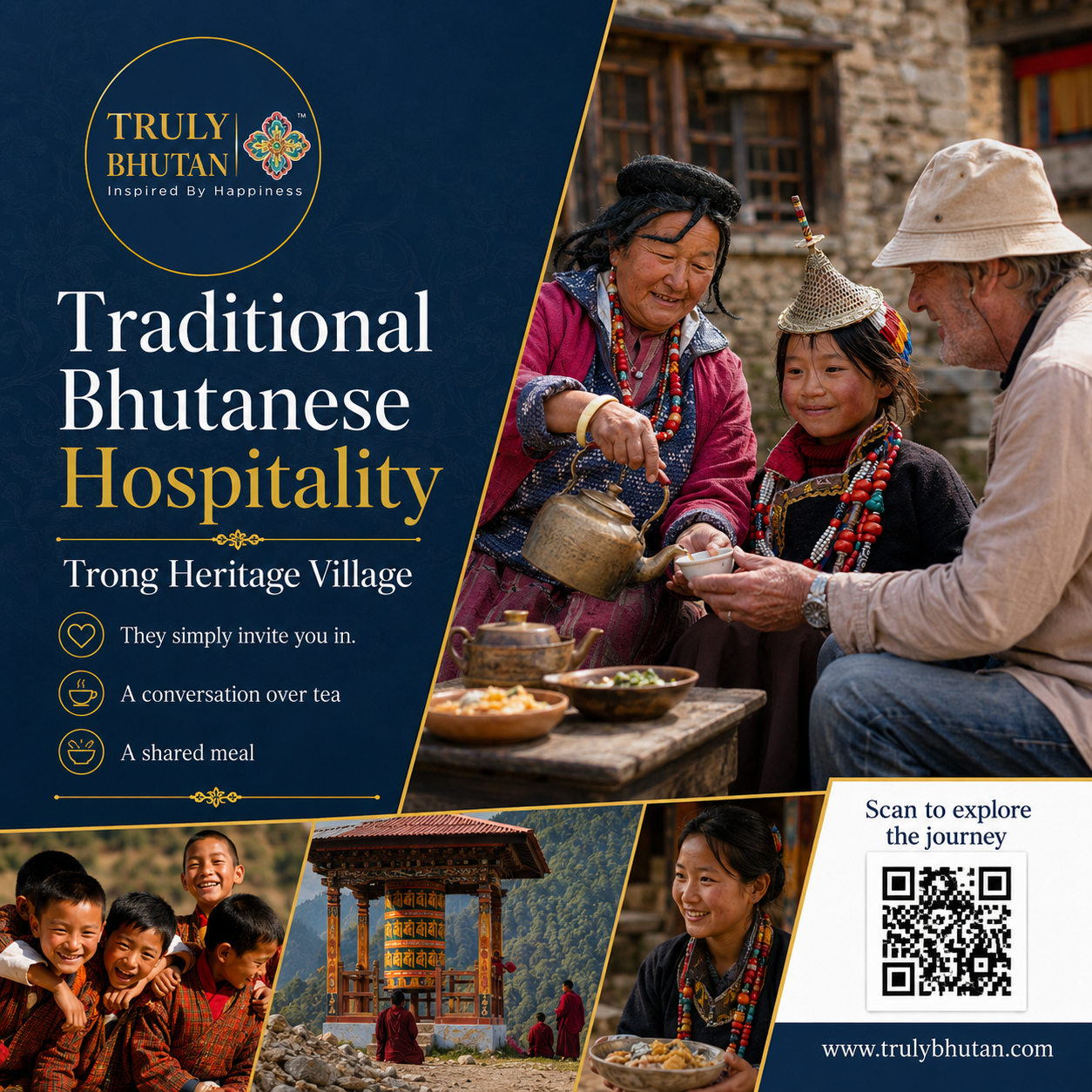
Trong Heritage Village and Traditional Bhutanese Hospitality
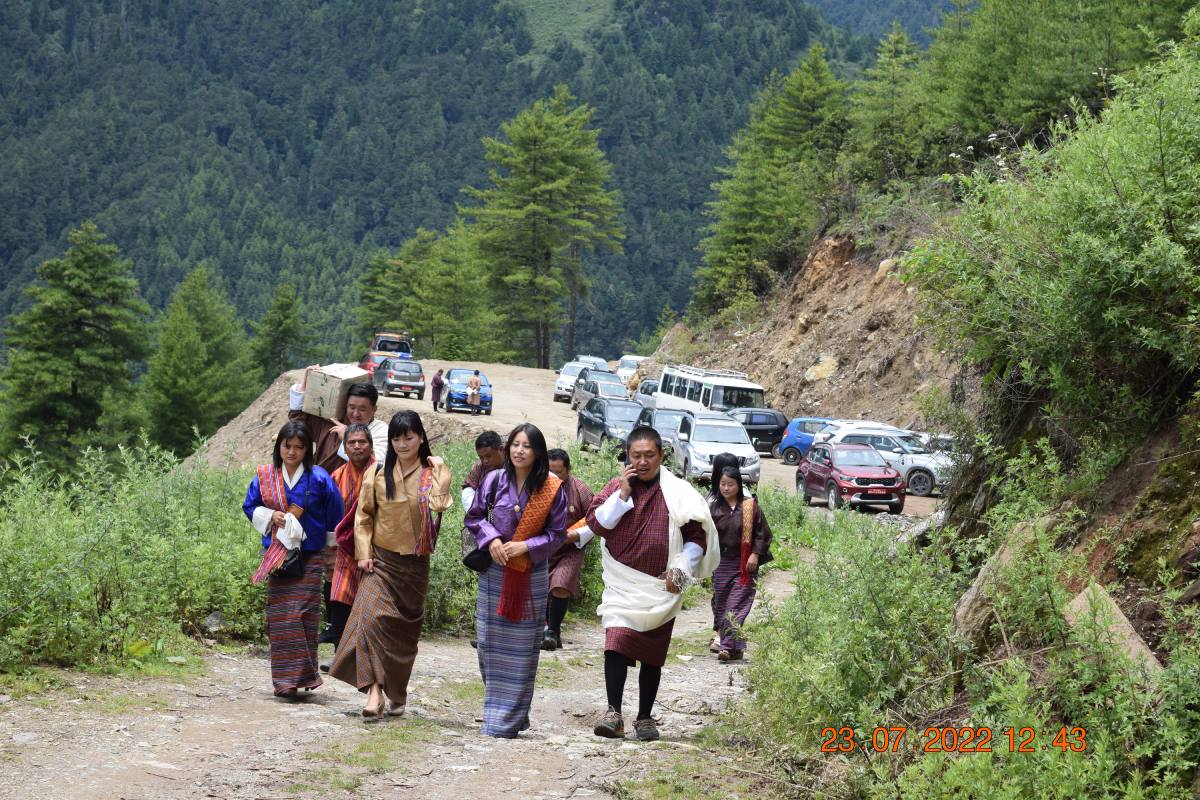
Trong Heritage Village receives comparatively few visitors, and that’s precisely its appeal. Rather than creating a carefully choreographed version of village life, the community has chosen something far more meaningful.
They simply invite you in.
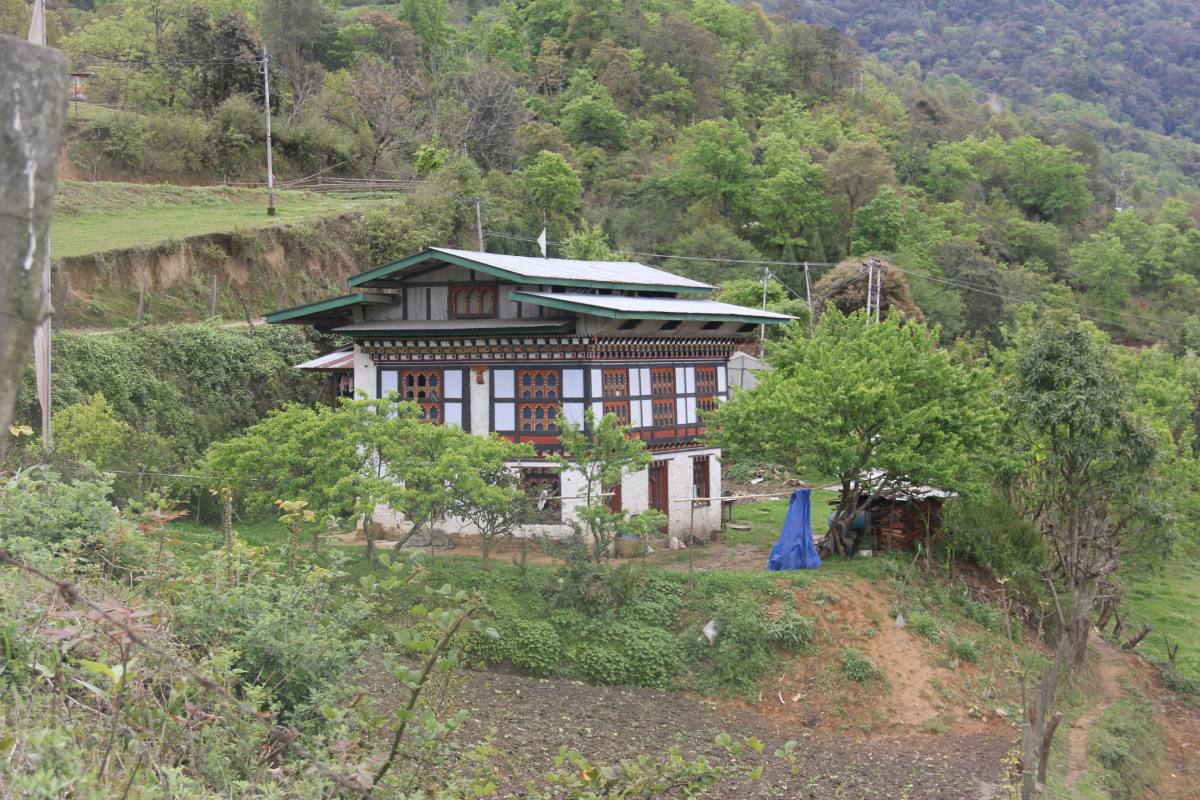
Walking through the narrow lanes, you begin noticing the details that rarely make guidebooks: the intricate timber joinery beneath balconies, family shrines tucked discreetly inside courtyards, drying maize hanging beneath eaves, children calling to one another across stone pathways polished smooth by centuries of footsteps.
These are not museum pieces.
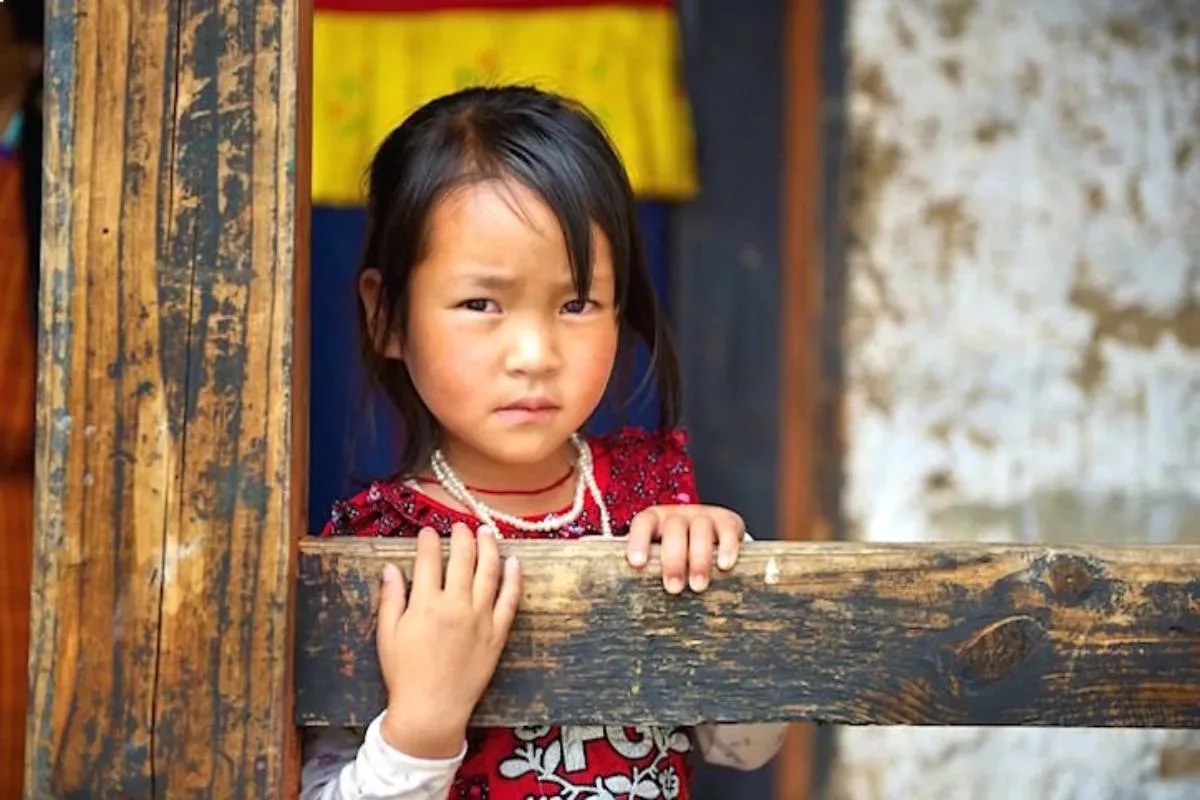
People live here.
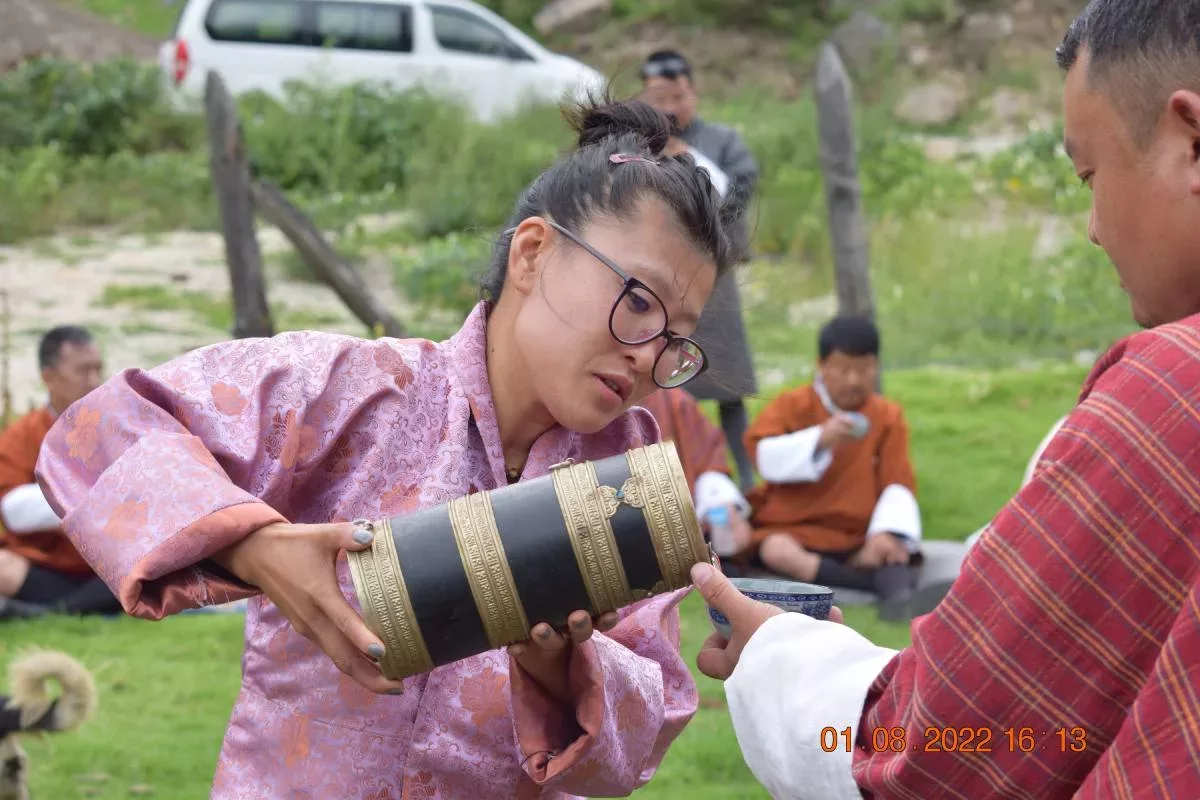
Our hosts welcome us with a traditional Tshogchang, an age-old expression of Bhutanese hospitality built around local food, drink and conversation. It’s impossible to fake this sort of warmth. Tourism here hasn’t overwhelmed daily life; instead, it provides families with additional income while allowing them to preserve the character of their community.
I’ve always believed the most memorable moments in travel rarely involve famous monuments.
They’re usually much smaller.
- A conversation over tea.
- A shared meal.
- A child laughing because you’ve completely mispronounced a Dzongkha word.
Those moments can’t be scheduled, but journeys like this create space for them to happen.
The road climbs once more.
Bumthang: Bhutan’s Spiritual Heartland
Bhutan is often described as the world’s last Shangri-La, but I’ve never been particularly fond of the phrase. It suggests timeless perfection rather than the dynamic, living country Bhutan is.
Nowhere is that more apparent than Bumthang.
Many Bhutanese consider this broad collection of valleys the spiritual heartland of the kingdom. Buddhism arrived here more than a millennium ago, and saints, pilgrims and teachers have left their mark ever since. Temples seem to appear around almost every bend in the road, while fields of buckwheat and potatoes spread beneath forested hillsides.
This is where Bhutan’s sacred geography becomes almost impossible to separate from its ordinary landscape.
Prayer Flags at Yotongla Pass
The prayer flags we raise together at Yotongla Pass illustrate that beautifully.
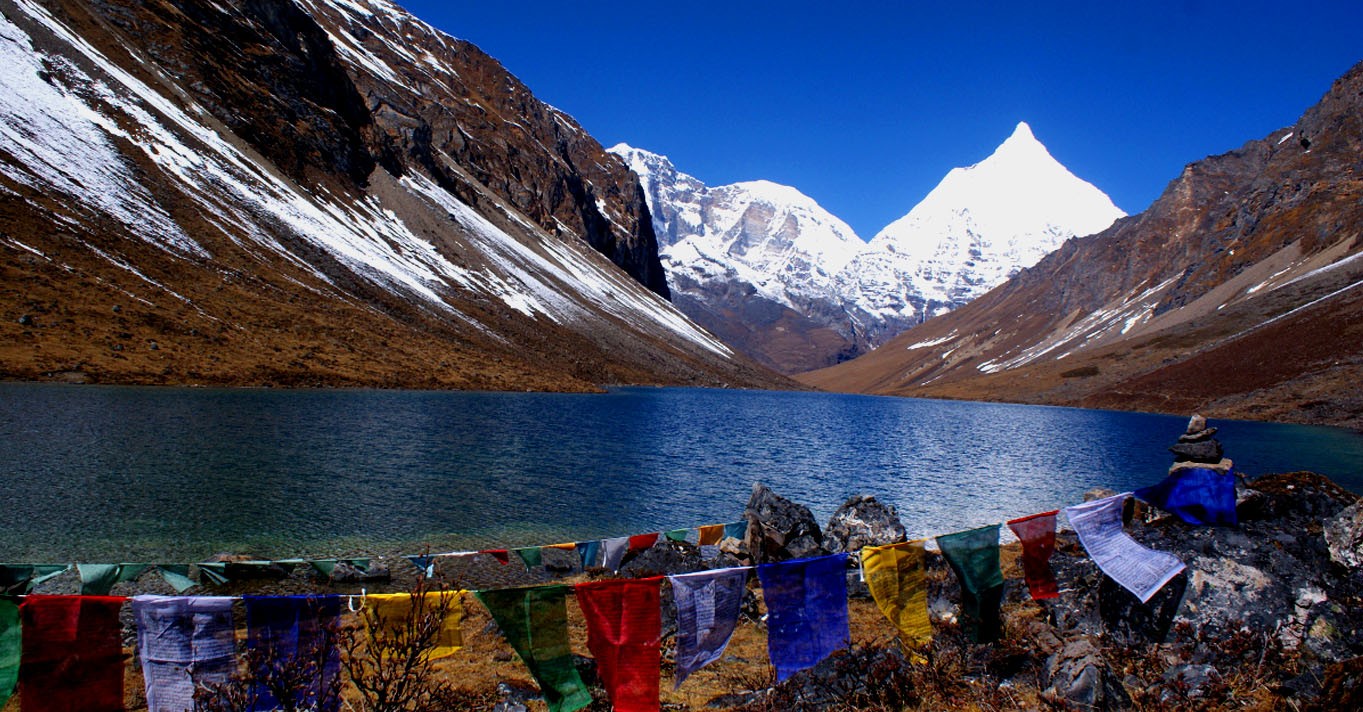
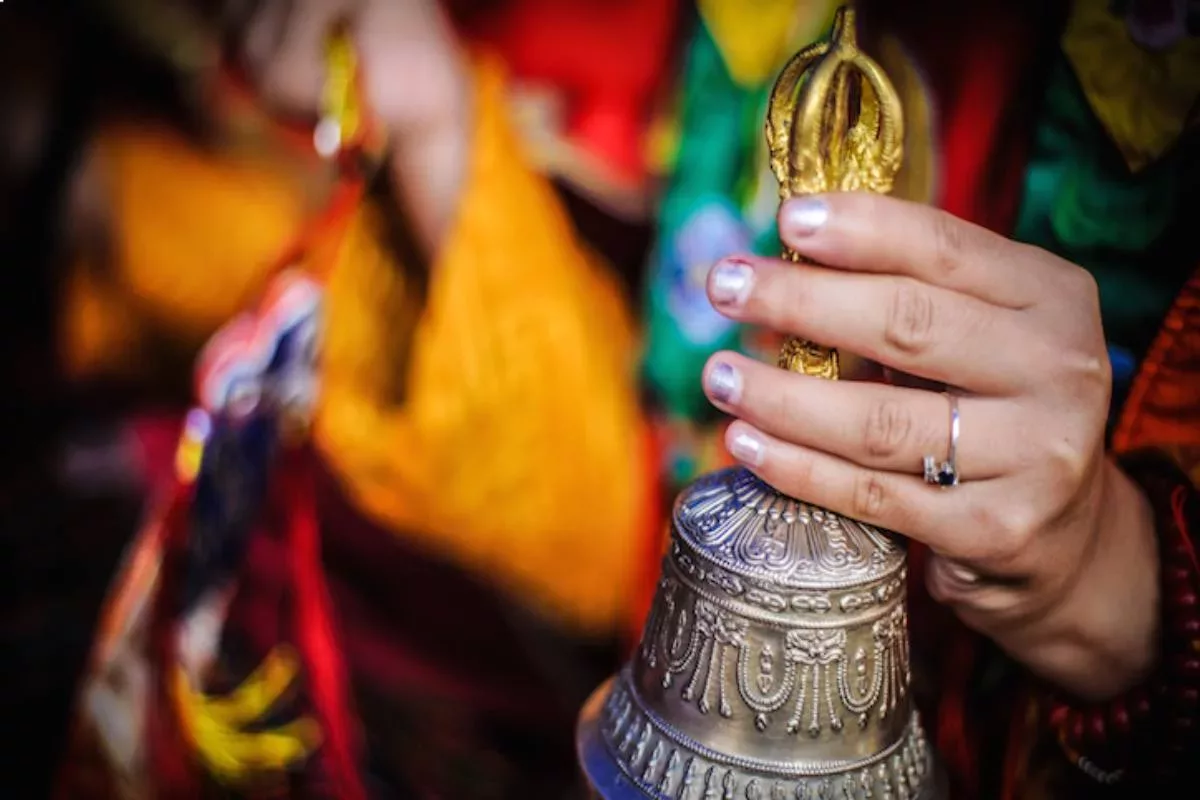
To outsiders they may seem decorative, fluttering ribbons of coloured cloth brightening the mountain air. But each carries prayers and aspirations carried outward on the wind. Watching them ripple against an enormous Himalayan sky, it’s difficult not to feel something of the quiet optimism they represent.
Tower of Trongsa Museum
Our visit to the Tower of Trongsa Museum helps place all of this within a broader historical framework. Its exhibits trace Bhutan’s monarchy, regional identities and artistic traditions with unusual clarity, reminding us that this small kingdom has navigated centuries of political change while preserving an extraordinary cultural confidence.
 Phrumsengla National Park and the Journey to Mongar
Then comes what I regard as one of the finest mountain drives anywhere in Asia.
The crossing of Phrumsengla National Park.
I’ve driven spectacular roads from the Karakoram Highway to the mountains of northern Laos, but few equal the sheer ecological drama of this journey.
Phrumsengla Pass and Himalayan Wildlife
At nearly 3,800 metres, Phrumsengla Pass sits high among fir forests, rhododendrons and alpine vegetation. November often brings crisp skies and astonishing visibility across ridge after ridge of untouched mountains.
- Somewhere within these forests live red pandas.
- Clouded leopards.
- Black bears.
- Even Bengal tigers.
Most visitors never see them, of course.
The point isn’t ticking wildlife off a checklist.
It’s knowing you’re travelling through one of the most intact ecosystems left anywhere in the Himalaya.
The descent from the pass is almost surreal.
Namling Waterfall and the Ecological Descent to Mongar
Within hours the cool conifer forests give way to warm broadleaf woodland. Ferns replace mosses. Orchids begin appearing in the trees. Waterfalls tumble beside the road, including the lovely cascade at Namling, where spray cools the surrounding forest even on warm afternoons.
Few countries offer such dramatic ecological transitions in a single day’s drive.
How Does Eastern Bhutan Begin to Feel Different?
By the time we reach Mongar, eastern Bhutan has quietly announced itself.
- The architecture is subtly different.
- The accents have changed.
- The mountains somehow feel wilder.
Many travellers think they’ve already seen Bhutan.
In truth, they’re only just beginning to discover it.
Part Three will take us into eastern Bhutan’s remarkable festivals, one of the least-visited corners of the Himalaya, our spectacular private charter flight across the Bhutanese mountains, and finally back to Paro for Tiger’s Nest temple—a fitting conclusion to a journey that has crossed an entire kingdom from west to east.
Eastern Bhutan: Gom Kora, Trashigang and Sacred Festivals
By the time we leave Mongar, you’ve probably begun to notice something subtle.
Eastern Bhutan feels different.
Not dramatically different. There are still whitewashed farmhouses, fluttering prayer flags and monasteries clinging improbably to mountainsides. But the rhythm changes. Villages become smaller and farther apart. The valleys seem broader. The conversations are less likely to revolve around tourism simply because, compared with western Bhutan, remarkably little tourism exists here at all.
That’s one of the great privileges of this journey.
We’re travelling through a part of the country that many Bhutanese themselves still regard as wonderfully remote.
Korila Pass and the Drangme Chhu Basin
Crossing Korila Pass, the forests once again reinvent themselves. Orchids cling to moss-covered branches, birds call from dense woodland and the road winds steadily toward the Drangme Chhu basin, the largest river system in Bhutan. Like so many roads here, it refuses to take the shortest route, choosing instead to follow contours laid down by geology rather than engineers.
Gom Kora and the Legacy of Guru Rinpoche
The destination is Gom Kora.
If Tiger’s Nest Temple occupies the cover of every Bhutan guidebook, Gom Kora belongs in the chapters that fewer readers reach.
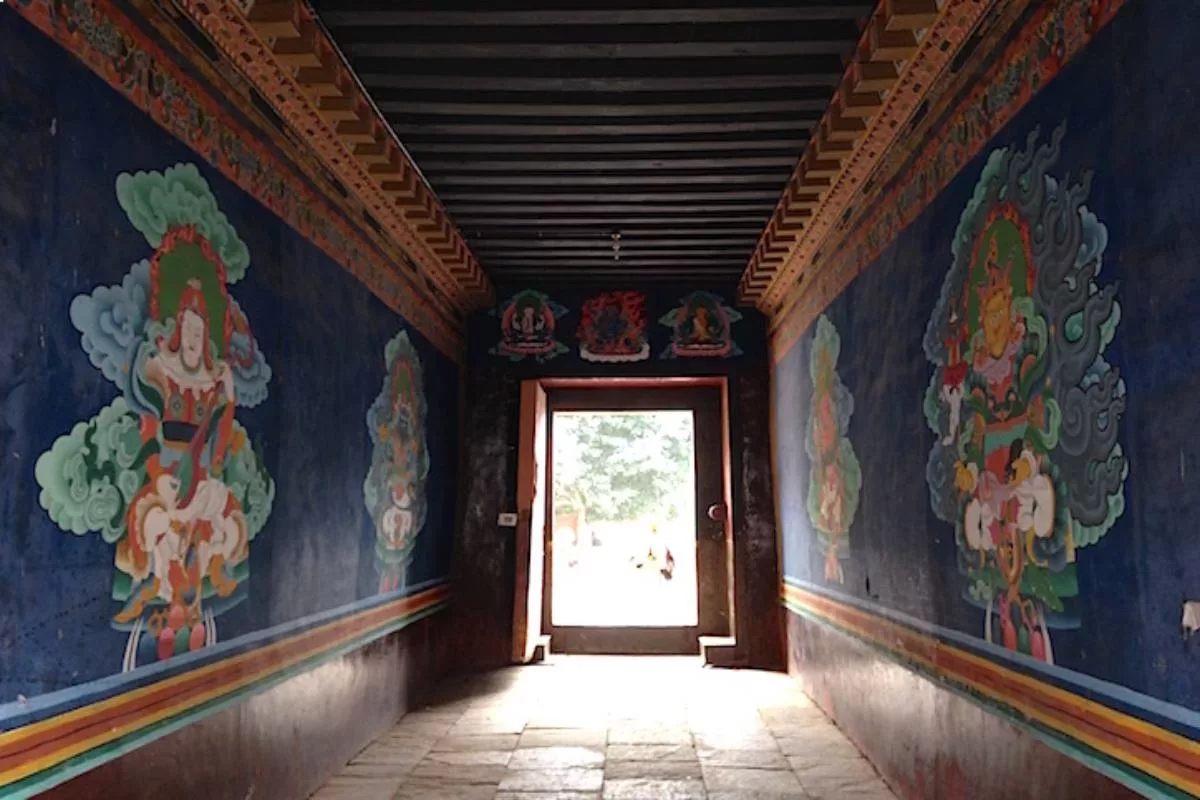
Set beside a broad bend in the river, this quiet temple is associated with Guru Rinpoche, the eighth-century Buddhist master credited with bringing Tantric Buddhism to Bhutan. According to local tradition, he subdued a malevolent spirit imprisoned within a great rock, leaving sacred impressions that pilgrims still venerate today.
Whether you approach the story as history, legend or something comfortably between the two hardly matters.
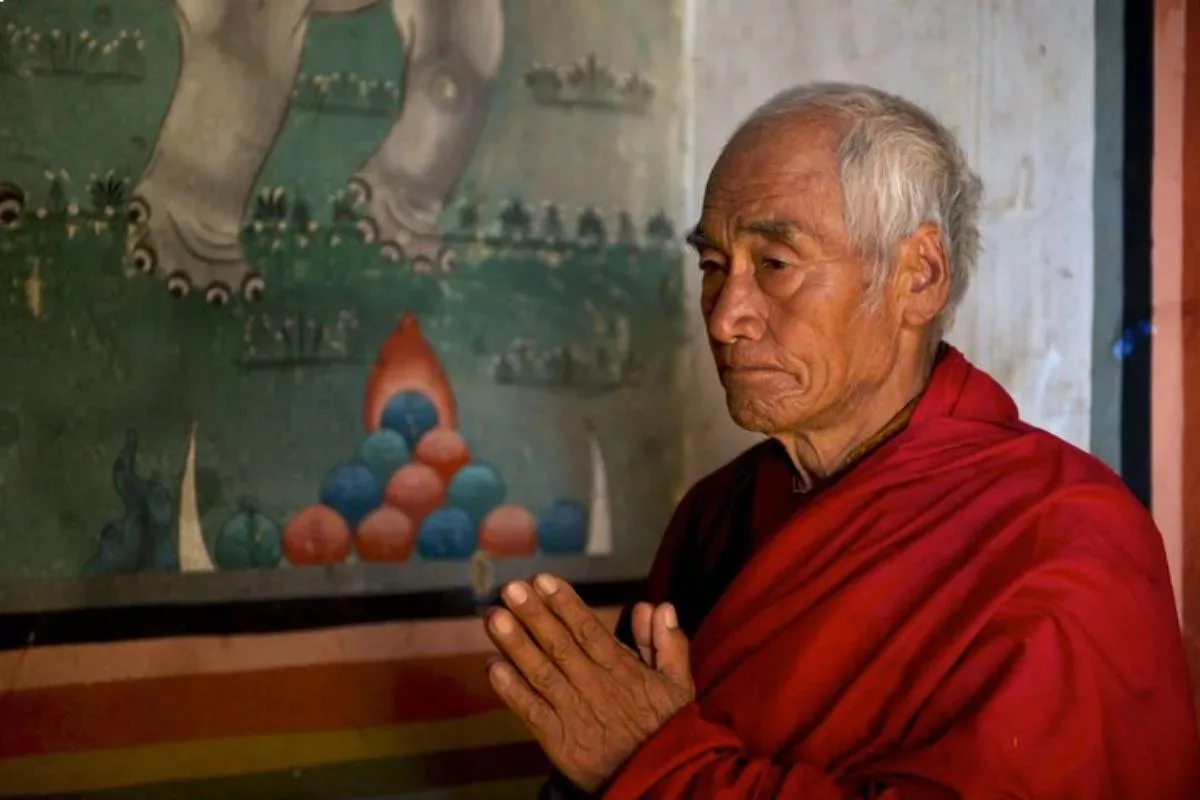
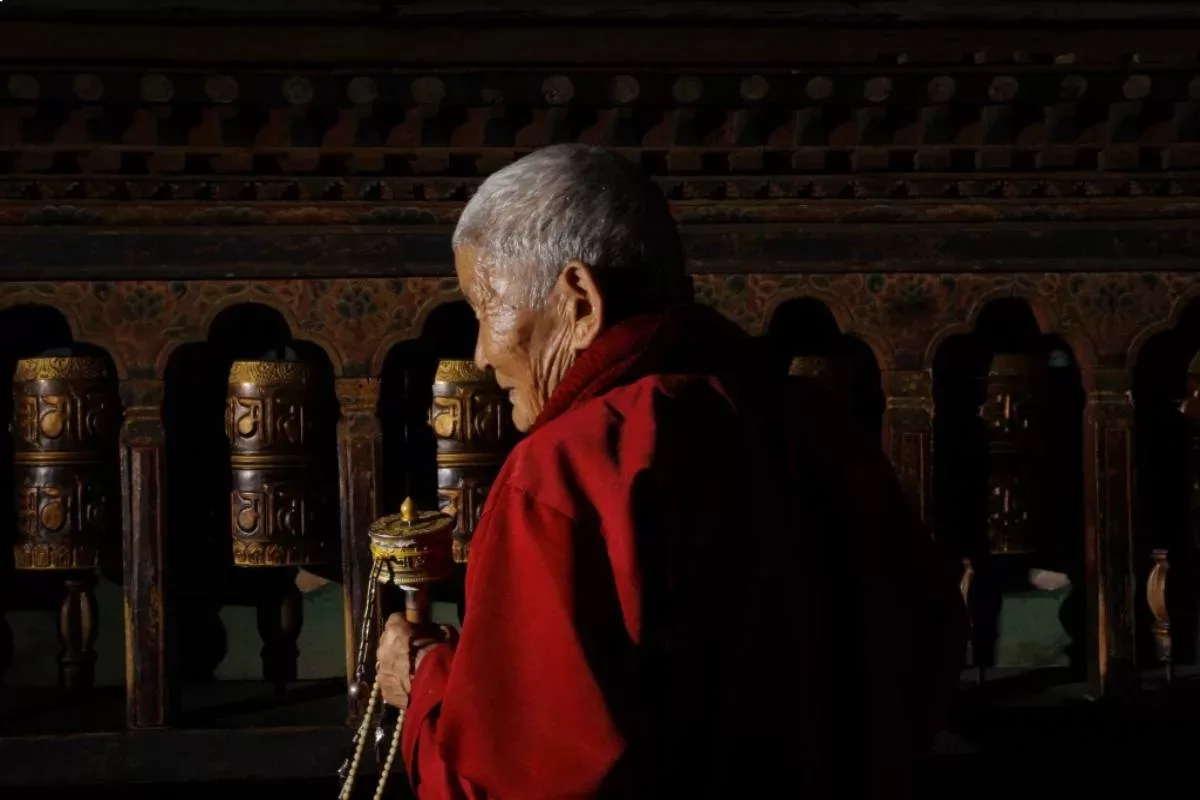
What matters is standing beneath ancient trees while pilgrims quietly circle the temple, spinning prayer wheels almost absent-mindedly, as though continuing a conversation that’s been going on for centuries.
One of the pleasures of travel in Bhutan is discovering that faith is rarely separated from everyday life. It’s not performed for visitors. It simply exists, woven naturally into the rhythm of villages, homes and landscapes.
Trashigang: Gateway to Eastern Bhutan
Our next stop is Trashigang.
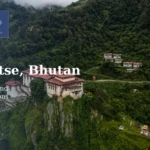
For generations, this hilltop town has been the commercial and cultural gateway to eastern Bhutan. Its magnificent dzong still dominates the confluence of the Gamri Chhu and Drangme Chhu rivers, occupying a ridge so commanding that it seems to float above the valley.
Yet we’re here for something even more special.
What Makes Trashigang Tshechu Festival Different?
I’ve attended festivals across Asia—from masked dances in Ladakh to temple celebrations in Bali—but Bhutan’s religious festivals occupy a category entirely their own.
That’s because they aren’t performances.
They’re acts of devotion.
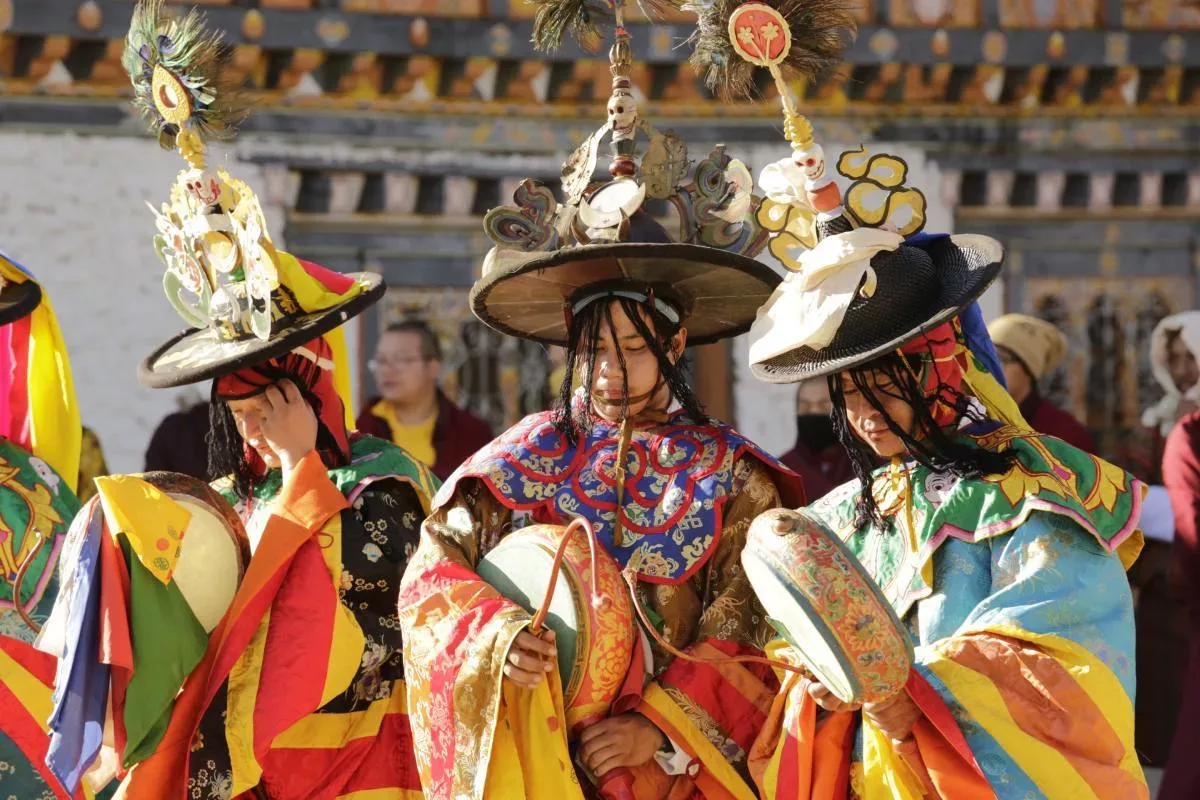
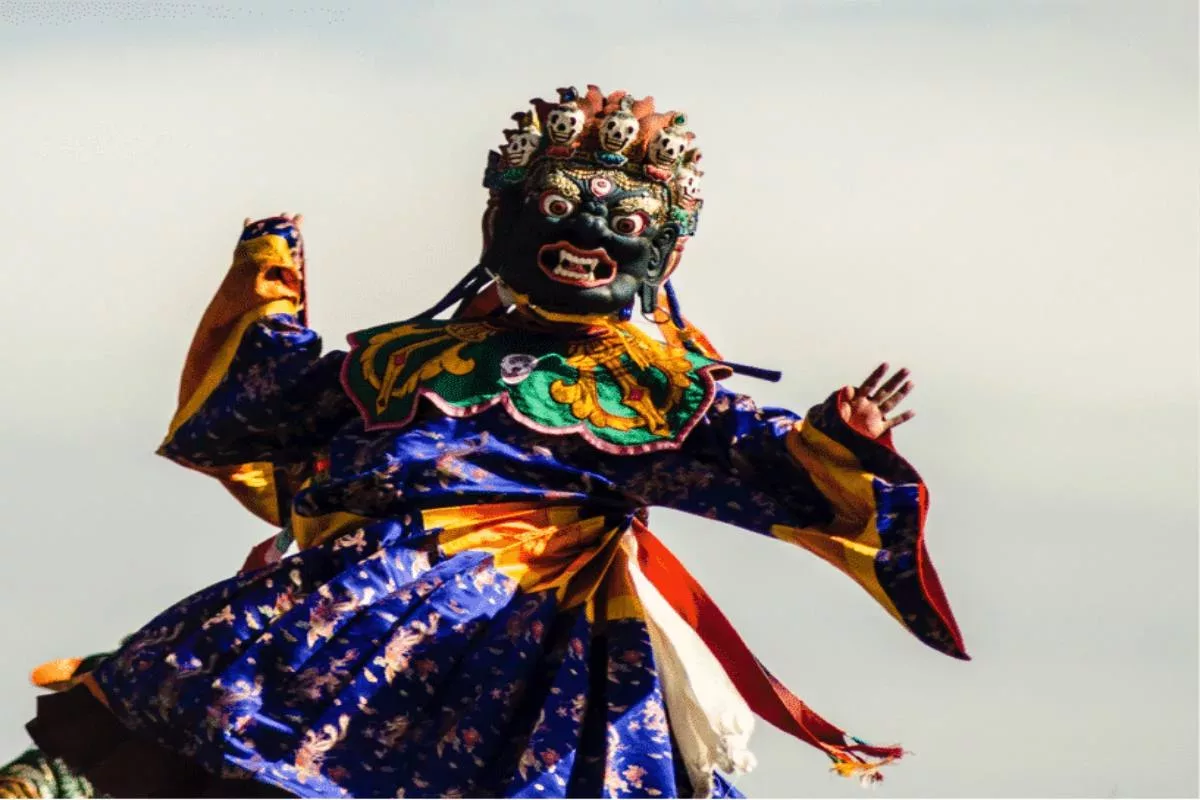
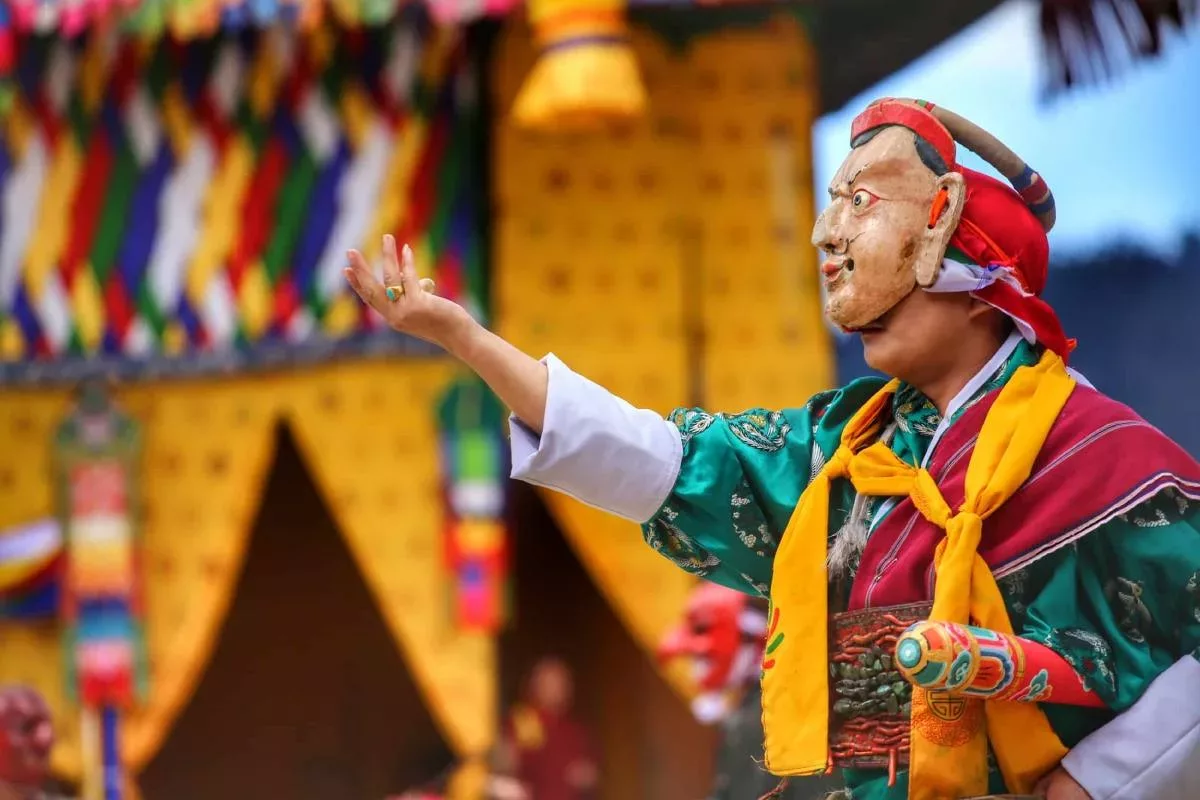
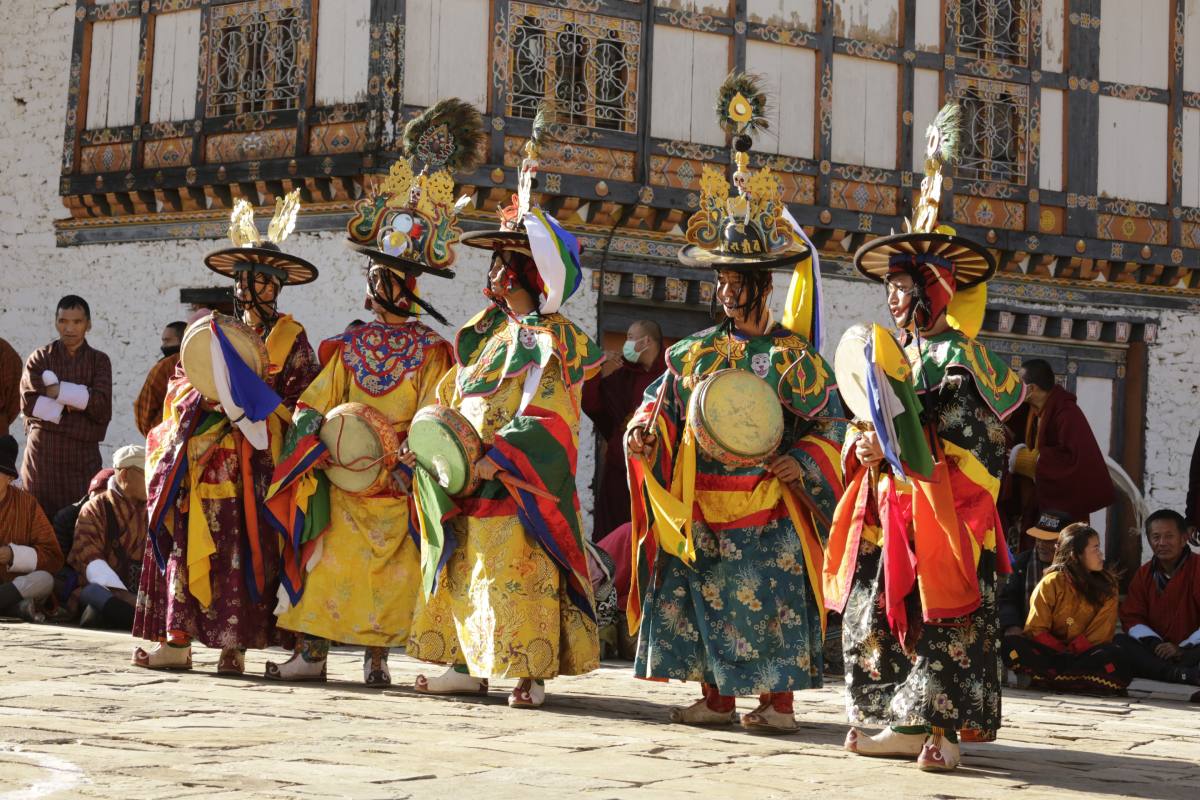
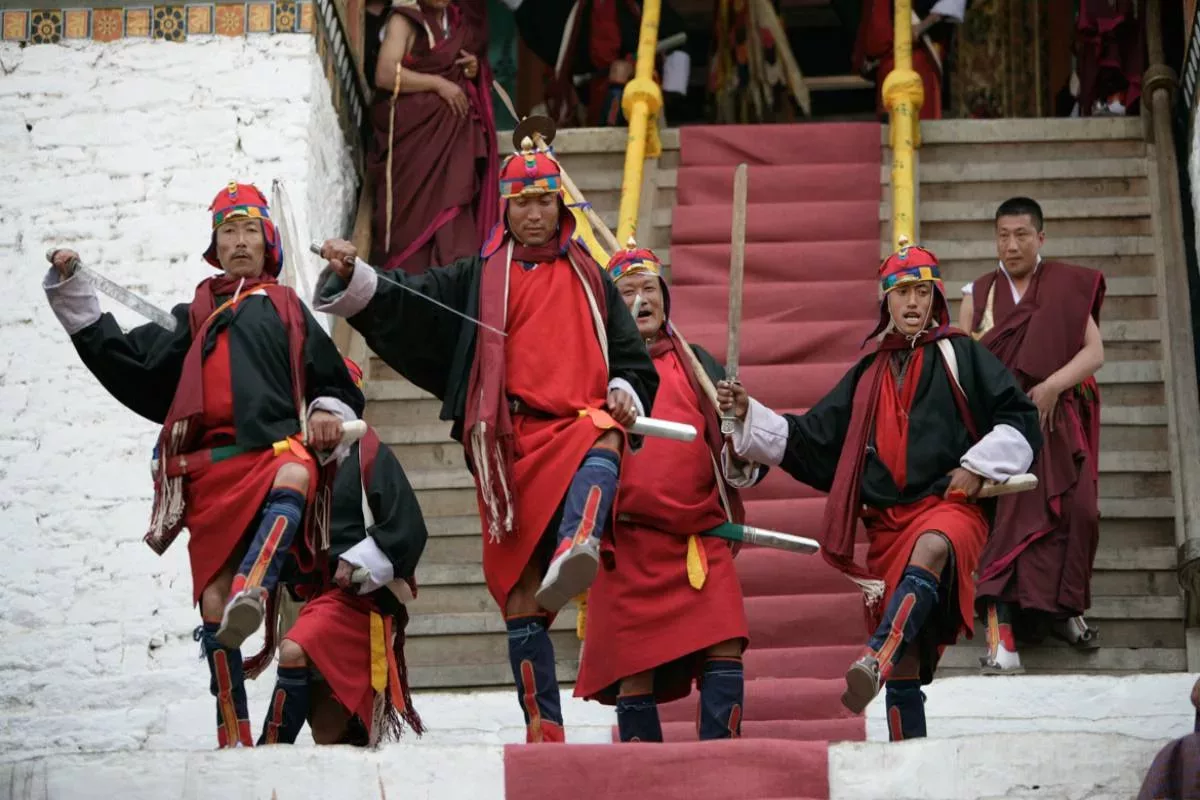
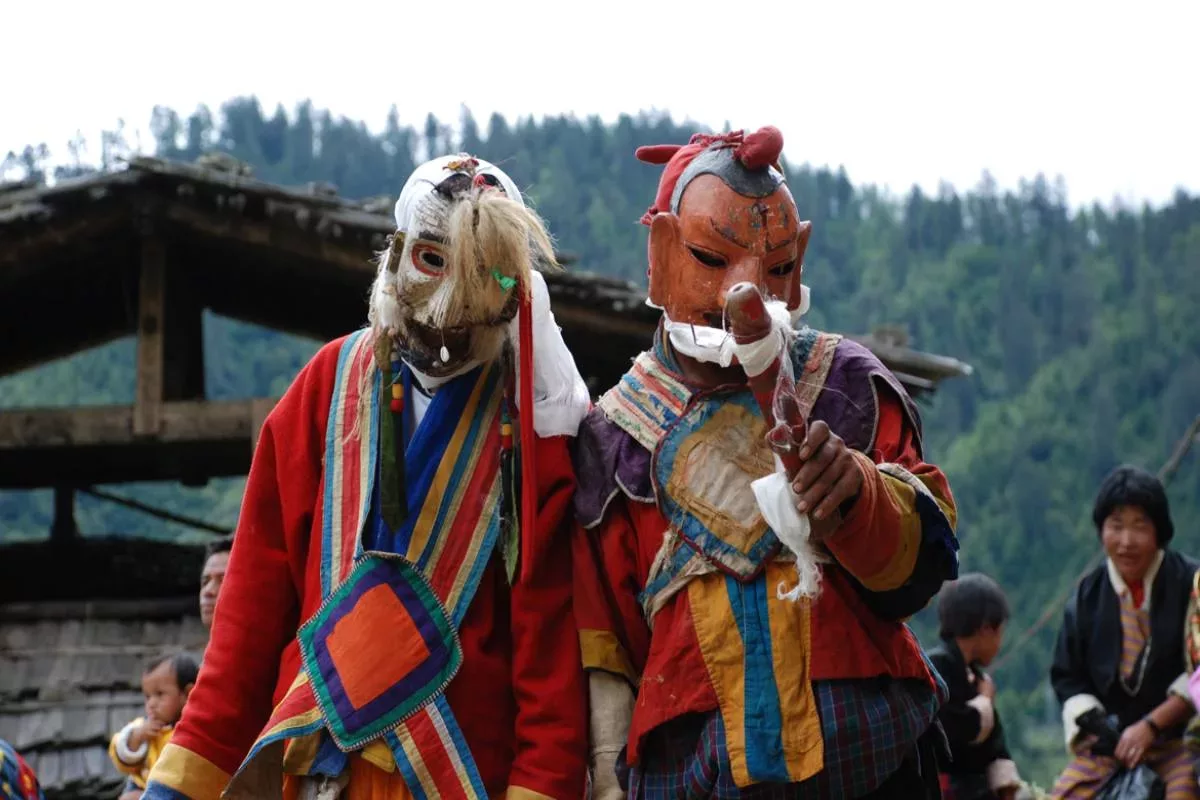
Yes, the costumes are spectacular. Silk robes shimmer in the mountain sunlight, masks transform dancers into protective deities, wrathful spirits and enlightened beings, while long horns echo from the monastery courtyard.
But the audience isn’t there merely to watch.
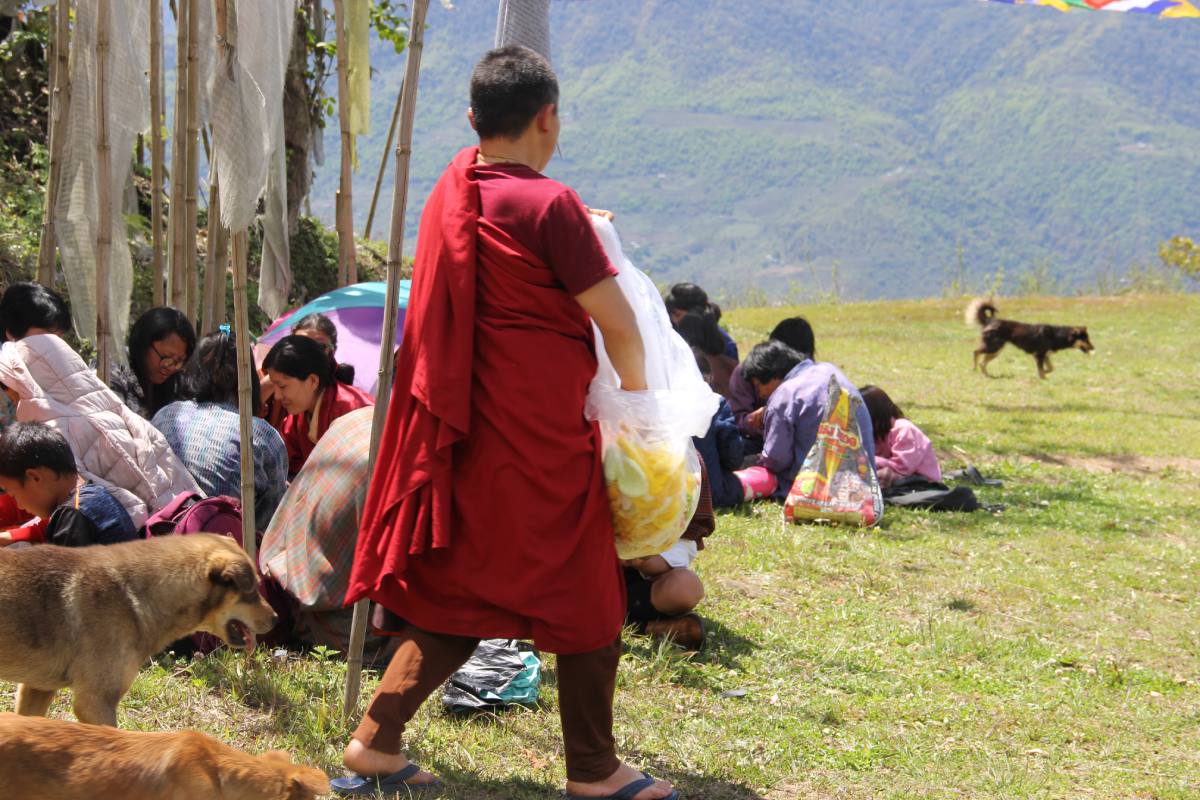
Families have travelled for hours, sometimes days, dressed in their finest gho and kira, to receive blessings, honour religious traditions and meet relatives from neighbouring valleys. Elderly women quietly turn prayer beads while children weave excitedly through the crowd. Monks chant beneath elaborately painted balconies as masked dancers recount stories that have been passed from generation to generation for hundreds of years.
Visitors are welcome.
But we’re guests at someone else’s celebration.
Understanding that simple fact changes the experience completely.
Rather than observing from the outside, we begin appreciating the festival as Bhutanese people themselves understand it—a living expression of faith, identity and community.
For me, that’s the difference between tourism and travel.
Rangjung Monastic School and Buddhist Education
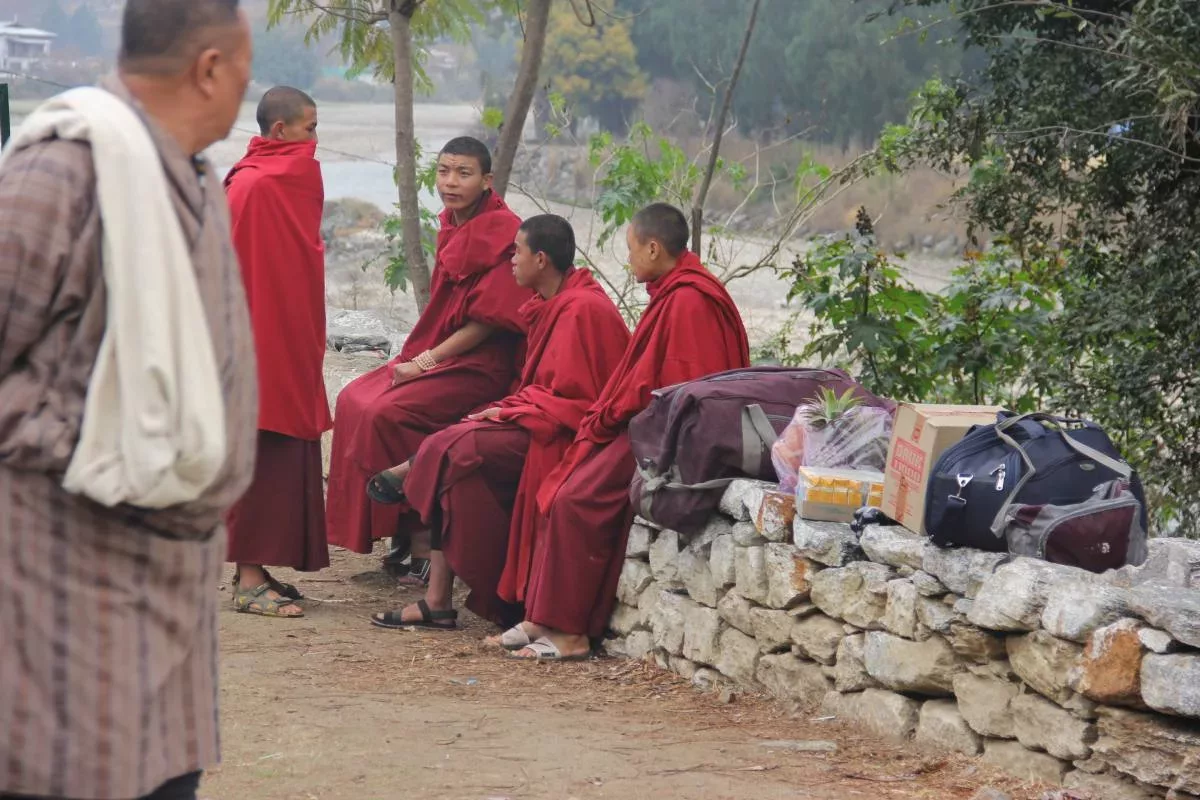
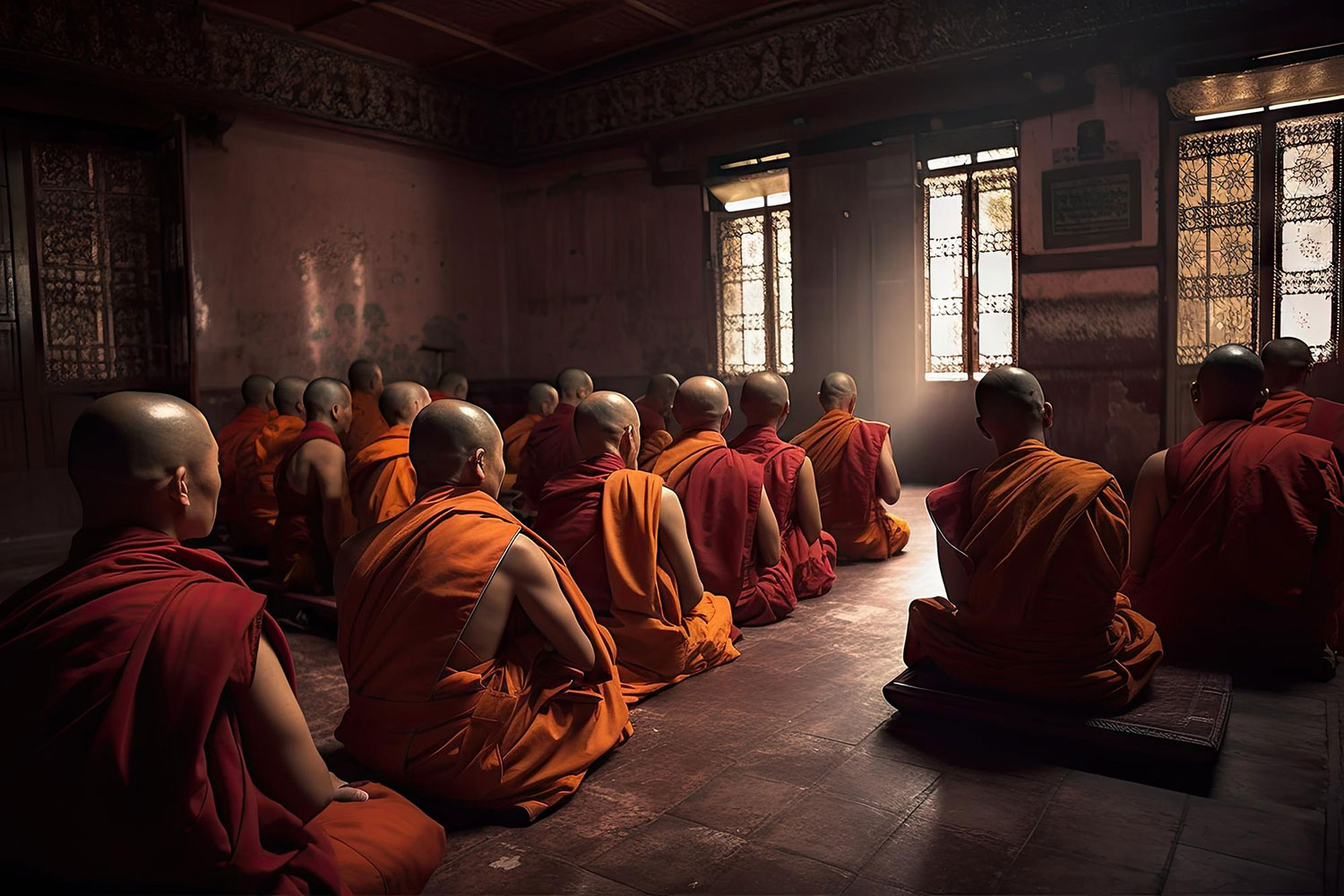
Later, we’ll visit Rangjung Monastic School, where young monks pursue both traditional Buddhist scholarship and modern education.
It’s one of those visits that often prompts unexpected conversations.
People sometimes imagine monks living entirely apart from the modern world. In reality, many balance rigorous religious study with science, languages and contemporary subjects while preparing for lives of service within their communities.
Watching novice monks debating Buddhist philosophy in monastery courtyards is to witness an educational tradition stretching back more than a thousand years.
Again, Bhutan quietly challenges our assumptions.
It isn’t preserving tradition by resisting change.
It’s preserving tradition by allowing it to evolve.
 Private Charter Flight from Yonphula to Paro
Then comes one of the most extraordinary days of the entire expedition.
Instead of retracing the long mountain road back to western Bhutan, we’ll board our private charter flight from Yonphula.
Even after many years of travelling, there are still moments capable of producing genuine childlike excitement.
This is one of them.
Why Is Flying Across Bhutan Part of the Adventure?
Commercial aviation has become so ordinary that we often forget flying itself can still be an adventure. But crossing Bhutan from east to west in a small aircraft is something very few travellers will ever experience.
Soon after take-off, the mountains begin to unfold beneath us.
- Deep river gorges.
- Remote villages invisible from any highway.
- Endless ridges marching toward Tibet.
On a clear November day, snow peaks punctuate the northern horizon while the forests we’ve spent the past week exploring stretch away beneath the wings.
What Does the Journey Reveal from the Air?
From the air, the scale of Bhutan finally becomes clear.
You appreciate not only how far we’ve travelled, but how astonishingly diverse this small kingdom really is.
In little more than a week we’ve crossed environments ranging from subtropical river valleys to alpine forests approaching four thousand metres. We’ve travelled through regions where black-necked cranes winter, where White-bellied Heron’s struggle for survival, where rhododendron forests shelter red pandas and where communities still celebrate festivals for reasons having little to do with tourism.
Few journeys reveal an entire country so completely.
Returning to Paro and the Tiger’s Nest Pilgrimage
Returning to Paro feels strangely familiar.
After travelling the length of Bhutan, the valley no longer seems simply beautiful.
It feels like home.
There’s just one pilgrimage left.
Why Does Tiger’s Nest Exceed Expectations?
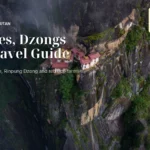
No matter how many photographs you’ve seen, Tiger’s Nest—Taktsang Monastery—always manages to exceed expectations.
The monastery clings impossibly to a sheer granite cliff nearly nine hundred metres above the valley floor, as though suspended between earth and sky.
The climb is demanding.
It’s supposed to be.
Pilgrimage has never been about convenience.
As the trail winds upward through blue pine forest festooned with prayer flags, there’s plenty of time to reflect on everything the journey has revealed. The conversations shared in village kitchens. The silence of Phobjikha at dawn. The laughter of children performing crane dances. The immense fortress of Trongsa. The subtropical forests of Zhemgang. The crisp air of Phrumsengla. The music, colour and devotion of Trashigang Tshechu Festival.
By the time Taktsang finally comes into view across the gorge, it feels less like arriving at Bhutan’s most famous monument than reaching the natural conclusion of a much longer story.
Only now does the monastery make complete sense.
Bhutan has prepared us for it.
Traditional Hot-stone Bath and Farewell Dinner
That evening, after a traditional hot-stone bath eases the legs and a farewell dinner brings the group together one last time, we celebrate not simply the end of a holiday but the completion of a remarkable crossing of one of the world’s most fascinating countries.
 Why Spend Nearly Two Weeks Travelling Across Bhutan?
When people ask me why they should spend nearly two weeks travelling across Bhutan instead of taking a shorter itinerary, I usually answer with another question.
When will you ever have the chance to do this again?
The world is becoming easier to reach but, paradoxically, harder to truly discover. Roads improve. Flights multiply. Information is available instantly. Yet genuinely immersive journeys seem increasingly rare.
What Makes an Immersive Bhutan Journey Worthwhile?
Bhutan remains one of the few places where travel still unfolds gradually.
Every mountain pass reveals another landscape, while each valley tells a unique story. Festivals like these deepen our understanding of a culture that has chosen continuity over haste and balance over excess.
This journey isn’t about checking Tiger’s Nest off a list or photographing another famous monastery.
It’s about understanding why Bhutan has captured the imagination of travellers for generations—and why those who venture beyond the familiar western circuit almost always return with richer stories.
A Twelve-Day Crossing of the Himalayan Kingdom
Over twelve unforgettable days we’ll cross an entire Himalayan kingdom together, from ancient fortresses and sacred festivals to wildlife sanctuaries, village homes and some of the most spectacular mountain scenery on Earth.
And somewhere along the way, I suspect you’ll discover what keeps drawing me back.
Not simply the places.
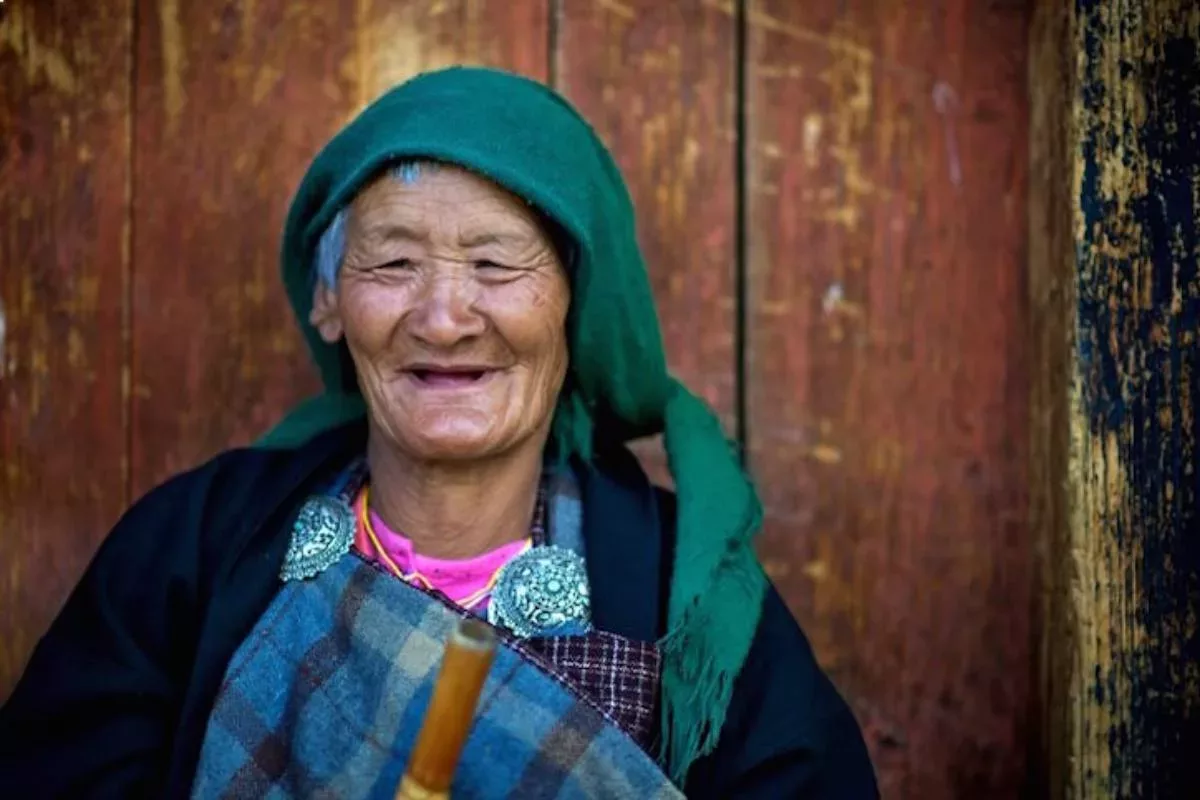
The people.