About Bhutan: History, Culture, Nature and National Symbols
Bhutan is a small, independent Himalayan kingdom known for its living Buddhist culture, dramatic mountain landscapes, distinctive architecture and commitment to balancing development with environmental protection. Known locally as Druk Yul, the Land of the Thunder Dragon, Bhutan has maintained a strong national identity while adapting carefully to the modern world.
Bhutan is a sovereign Himalayan nation between India and China. Its identity has been shaped by Vajrayana Buddhism, the Wangchuck monarchy, Gross National Happiness, protected forests, traditional arts and a development philosophy that places cultural and environmental wellbeing alongside economic progress.
Bhutan at a Glance
| Topic | Key information |
|---|---|
| Local name | Druk Yul, meaning “Land of the Thunder Dragon” |
| Location | Eastern Himalayas, between India and China |
| Government | Democratic constitutional monarchy |
| Administrative divisions | 20 dzongkhags, or districts |
| Projected population | 784,043 in 2025 |
| National language | Dzongkha |
| Widely used language | English, particularly in the education system |
| Main spiritual tradition | Vajrayana Buddhism |
| Forest cover | 70.46% according to Bhutan’s 2022 State of the Environment Report |
| National Day | 17 December |
| National sport | Archery |
Bhutan’s Constitution defines the country as a sovereign democratic constitutional monarchy and identifies Dzongkha as its national language. The National Statistics Bureau listed a projected population of 784,043 for 2025, replacing the much older estimate of approximately 680,000 found in earlier travel literature.
The country’s official tourism platform describes Bhutan as a culturally diverse nation where 19 languages are spoken. English is used throughout the school system, while Dzongkha remains central to national identity and public life.
What Makes Bhutan Distinctive?
Bhutan’s defining quality is not simply its geographic isolation or mountain scenery. Its distinctive character comes from the way spiritual traditions, monarchy, community life, environmental policies and modern institutions have developed together.
For centuries, Bhutan’s difficult terrain limited contact between valleys and with the outside world. This allowed regional customs, languages, religious practices and artistic traditions to develop with relatively little external disruption.
Bhutan was never colonised, a fact that remains important to its national identity. Its independence allowed the country to modernise largely on its own terms rather than through a colonial administrative system.
Modern Bhutan is therefore neither a preserved medieval society nor a conventional rapidly developing state. It is a country negotiating how to protect cultural continuity while expanding education, infrastructure, technology, business and international engagement.
 A Brief History of Bhutan
Guru Rinpoche and the Arrival of Buddhism
Bhutan’s recorded religious history is closely associated with Guru Rinpoche, also known as Padmasambhava. According to Bhutanese historical tradition, he visited the region in the eighth century and helped establish Buddhism in areas that later became part of modern Bhutan.
Many temples, meditation caves and pilgrimage sites are connected with his journeys. These sacred places remain central to Bhutanese religious life and attract pilgrims from across the Himalayan Buddhist world.
Official historical accounts date Guru Rinpoche’s visit to approximately 747 CE. Buddhism subsequently became one of the strongest influences on Bhutan’s social, political, artistic and cultural development.
Zhabdrung Ngawang Namgyal and National Unification
A decisive period began in 1616 when Zhabdrung Ngawang Namgyal arrived from Tibet. He unified previously divided regions, strengthened the Drukpa Kagyu Buddhist tradition and laid the foundations of Bhutan as a nation-state.
The Zhabdrung established a dual system of governance that divided religious and temporal responsibilities. The Je Khenpo served as the head of the religious establishment, while a secular administrator oversaw political affairs.
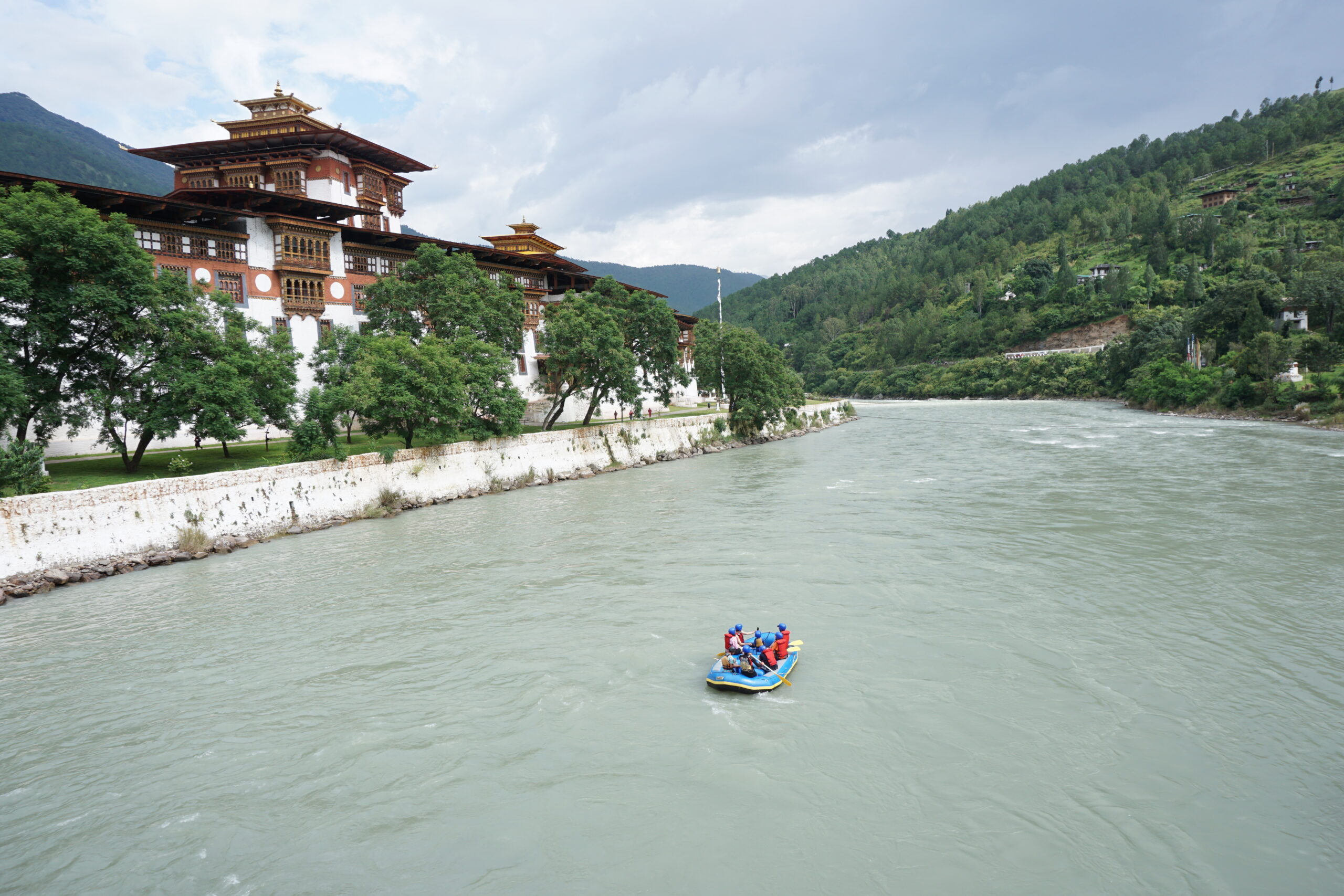
He also commissioned strategically located dzongs. These enormous fortified complexes served several functions at once:
- Defensive strongholds
- Administrative centres
- Monastic institutions
- Storehouses and community gathering places
- Symbols of unified national authority
This combination of spiritual and administrative functions explains why dzongs remain among Bhutan’s most important institutions and architectural landmarks.
The Wangchuck Monarchy
By the nineteenth century, the dual system had weakened and regional rivalries had increased. Bhutan’s political leaders, clergy and representatives responded by unanimously electing Gongsar Ugyen Wangchuck as the first hereditary King on 17 December 1907.
The establishment of the Wangchuck dynasty brought greater political stability and strengthened central governance. Successive Kings gradually expanded Bhutan’s international relationships, public services and modern institutions while continuing to protect the country’s sovereignty and cultural identity.
Bhutan’s Democratic Transition
Bhutan became a democratic constitutional monarchy in 2008. Parliamentary elections were introduced, and the Constitution formally placed sovereign power with the people while retaining the Druk Gyalpo as head of state and symbol of national unity.
Unlike many democratic transitions driven by revolution or regime collapse, Bhutan’s transition was initiated and guided by the monarchy. This history helps explain why monarchy, democracy and national identity continue to coexist closely.
 Bhutan as a Spiritual Nation
How Buddhism Shapes Everyday Life
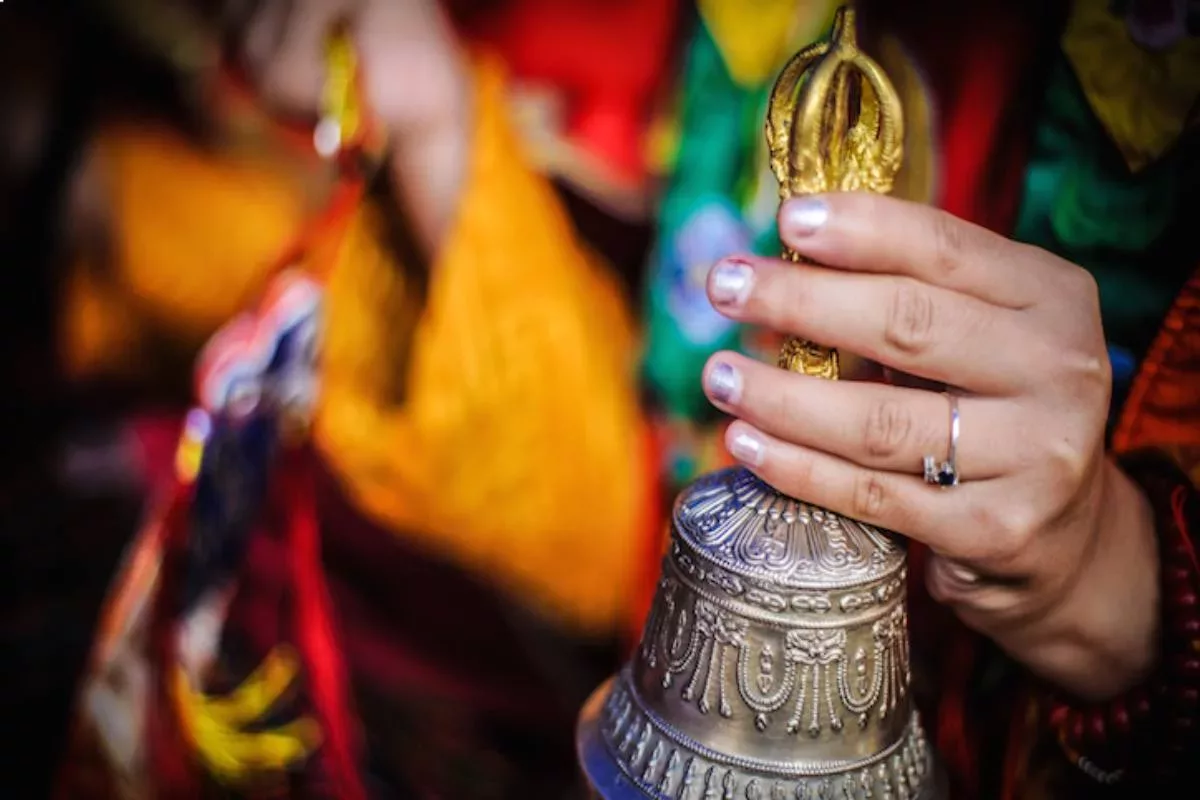
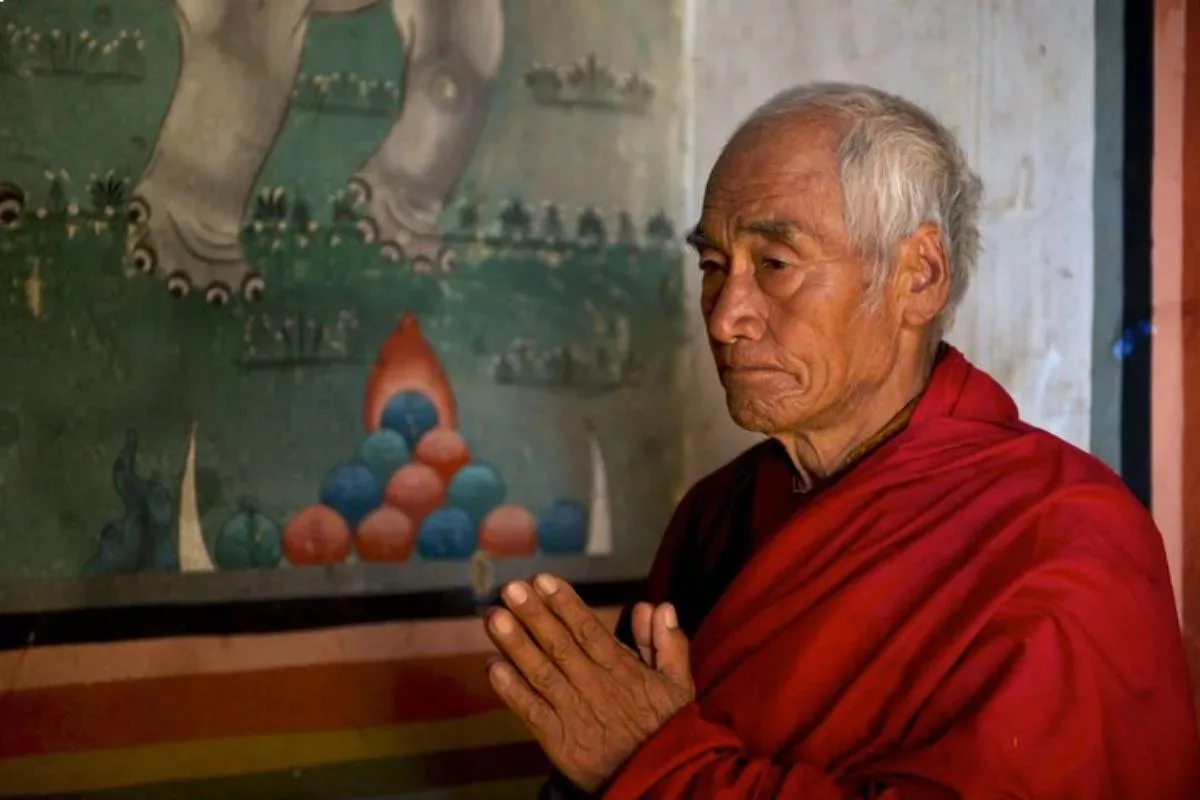
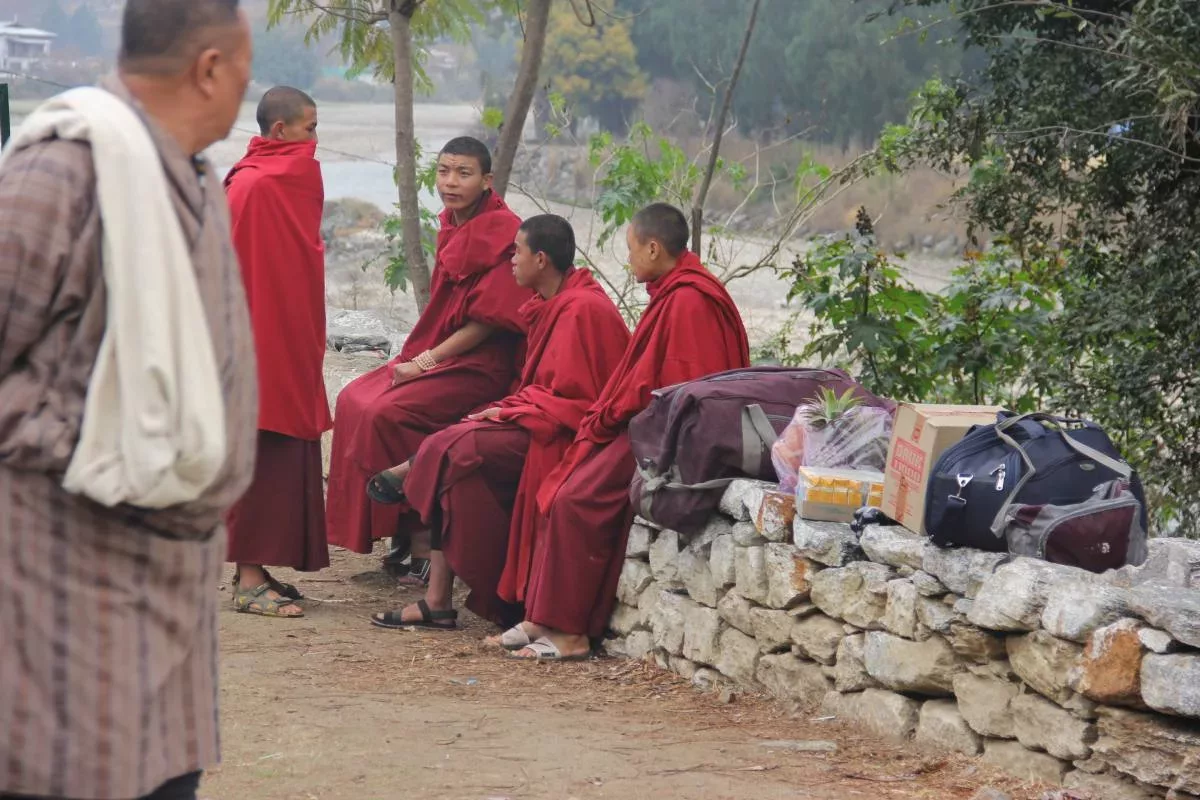
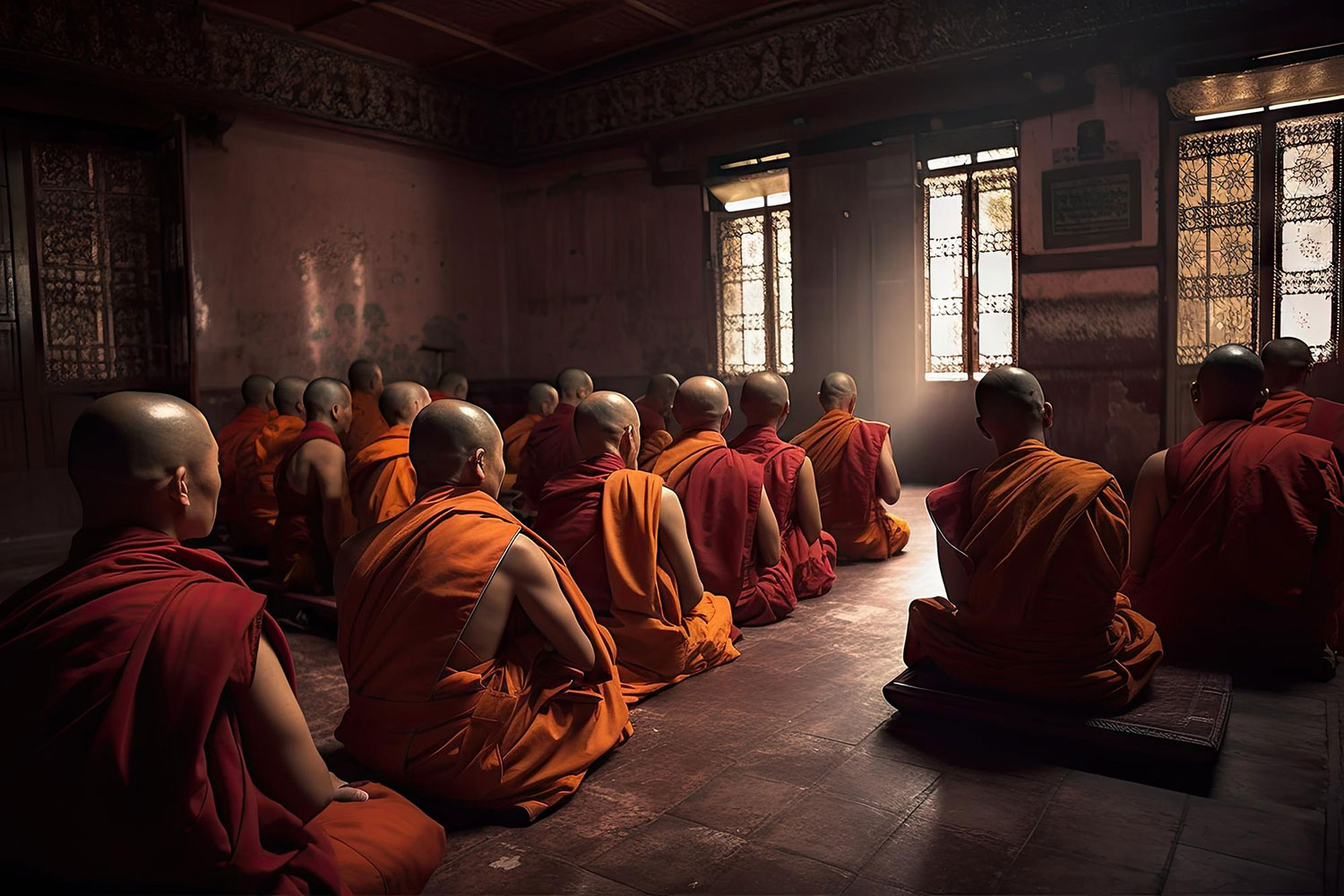
Buddhism in Bhutan is not limited to monasteries or formal ceremonies. It influences architecture, festivals, family rituals, agricultural calendars, ideas about compassion and the relationship between people and the natural world.
Morning offerings, circumambulation of stupas, consultation of astrologers and the selection of auspicious dates remain part of everyday life for many Bhutanese. Religious teachings also shape attitudes towards generosity, community responsibility and respect for living beings.
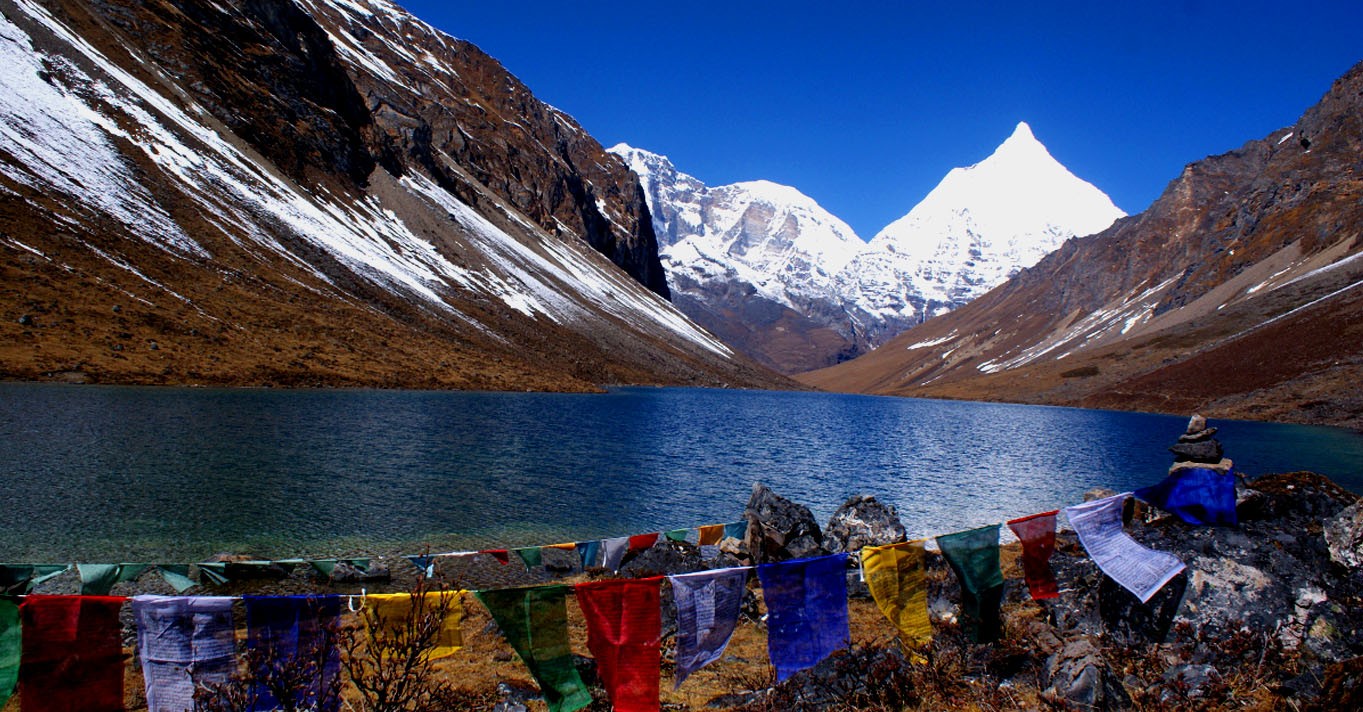
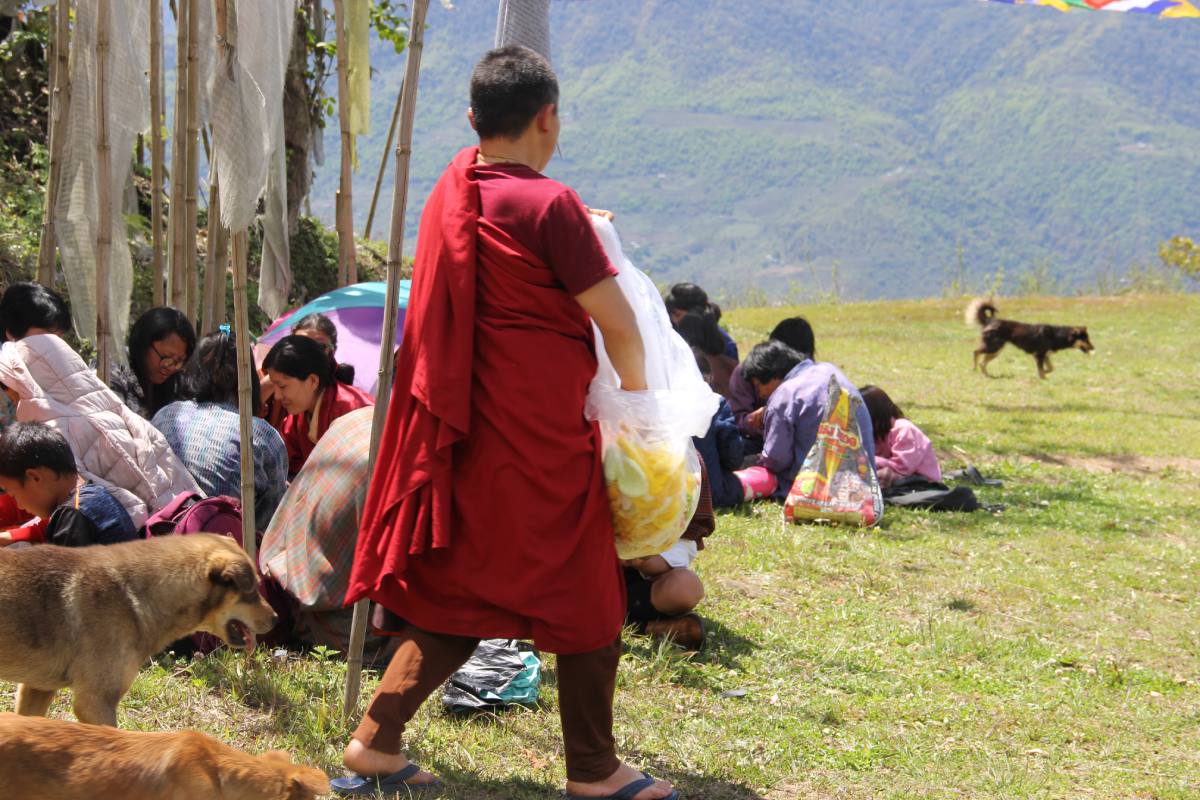
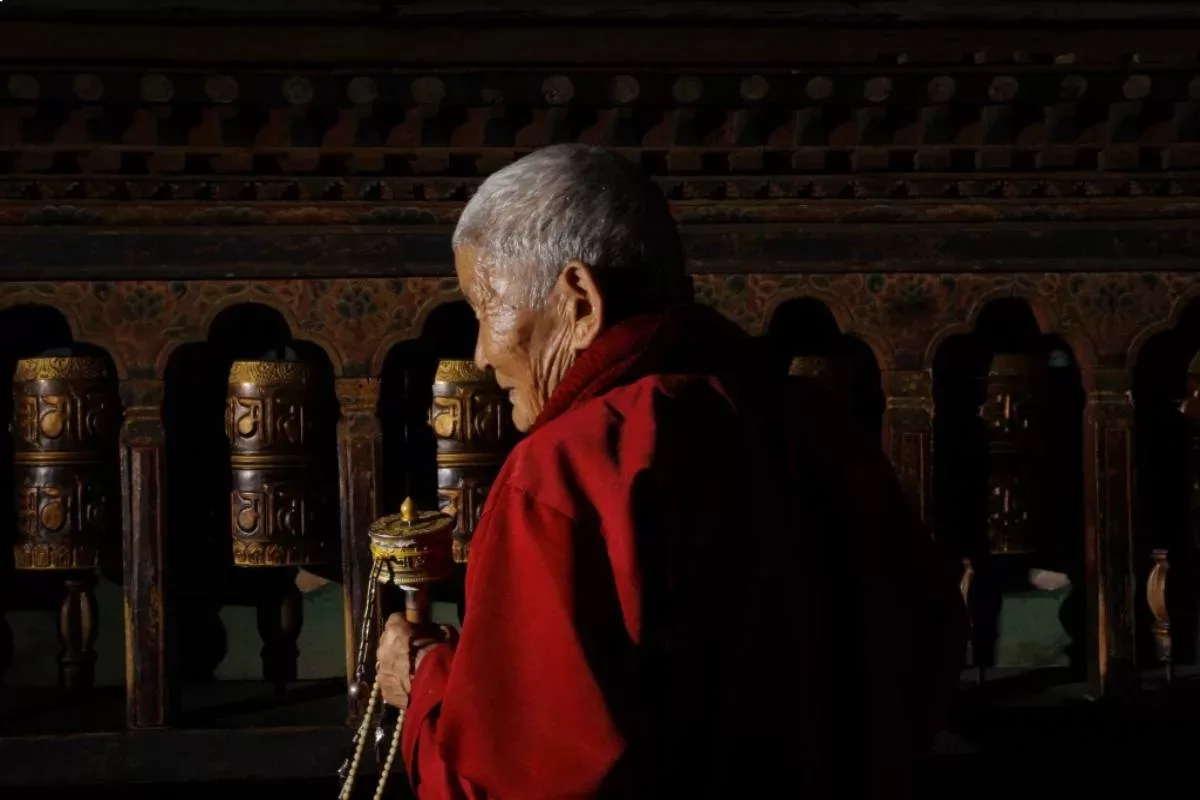
Prayer flags appear on mountain passes, bridges, rooftops and hillsides. Prayer wheels and chortens are common in both towns and rural areas, while monasteries continue to function as centres of learning, ritual and community life.
Bhutan is predominantly Buddhist, but it is not culturally uniform. Hindu communities are particularly important in the southern districts, and the country includes different ethnic, linguistic and spiritual traditions.
Descriptions of Bhutan as the “last bastion” of Himalayan Buddhism should therefore be understood as cultural language rather than a precise academic classification. Bhutan’s importance lies in the continuity and public visibility of its Buddhist institutions, not in the absence of other beliefs.
Bhutanese Culture and Identity
Architecture
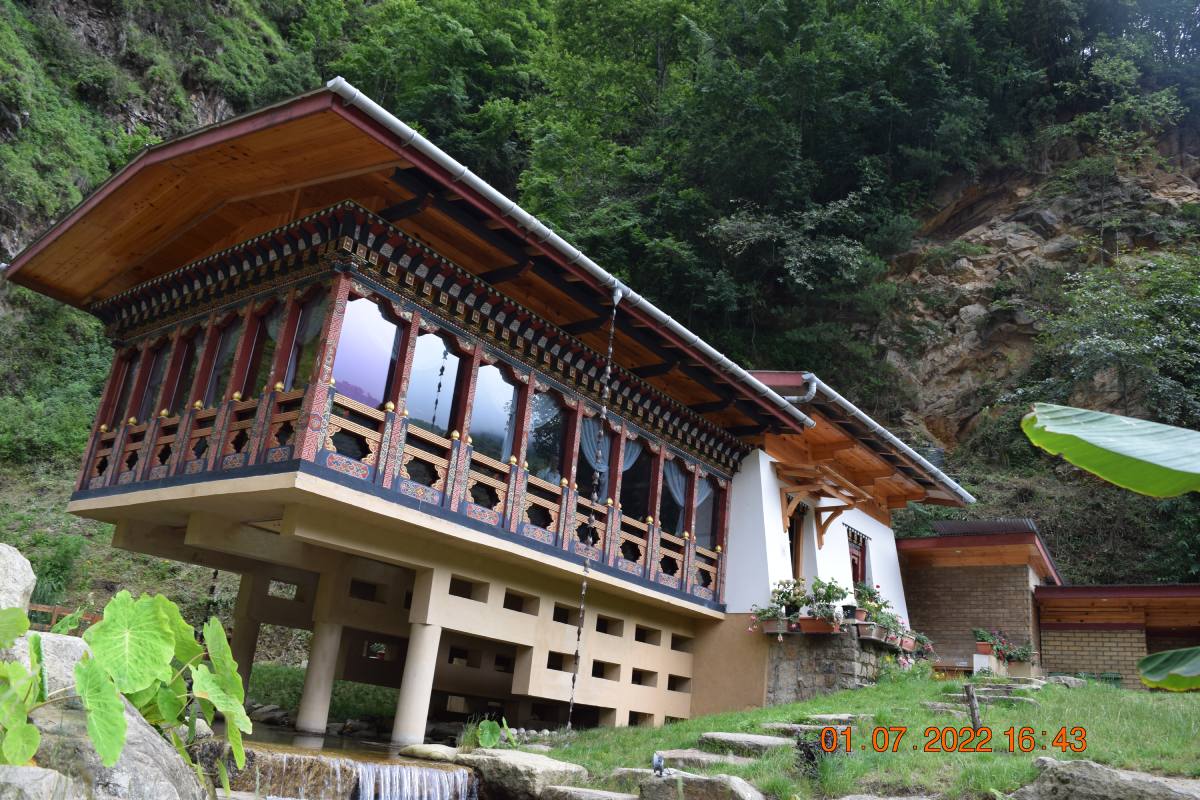
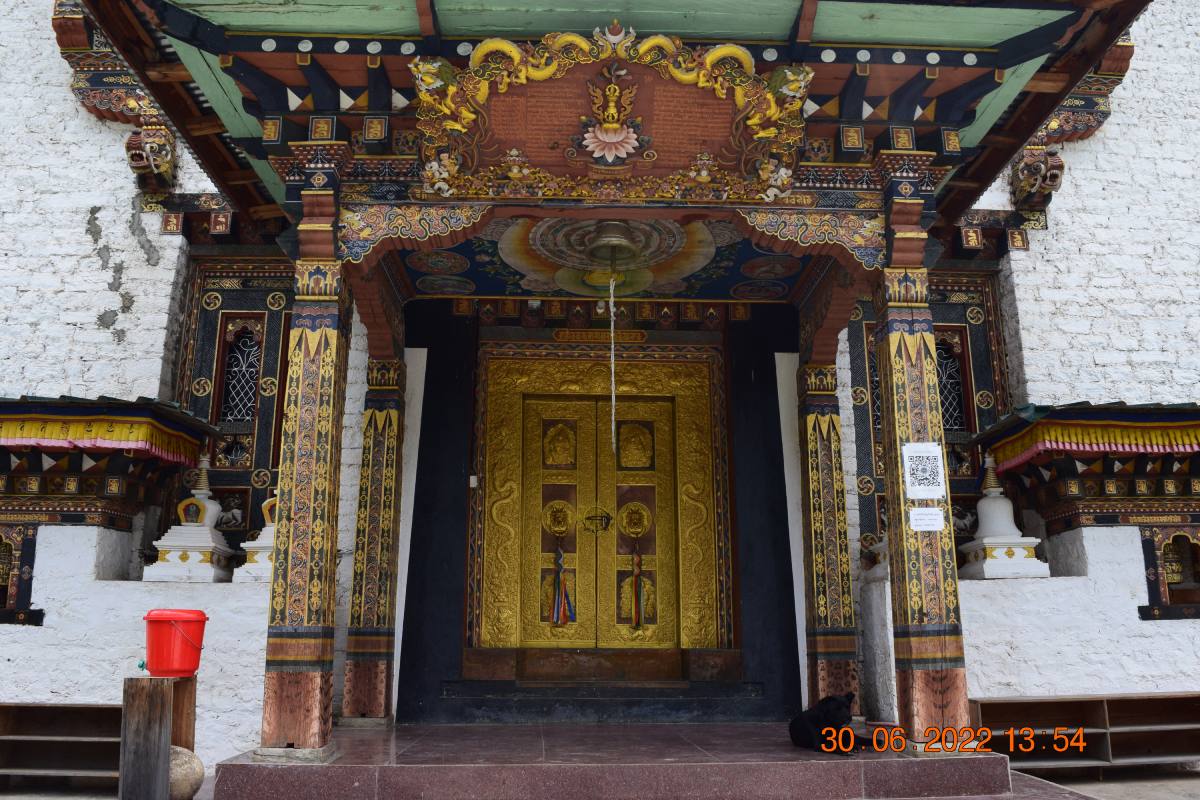
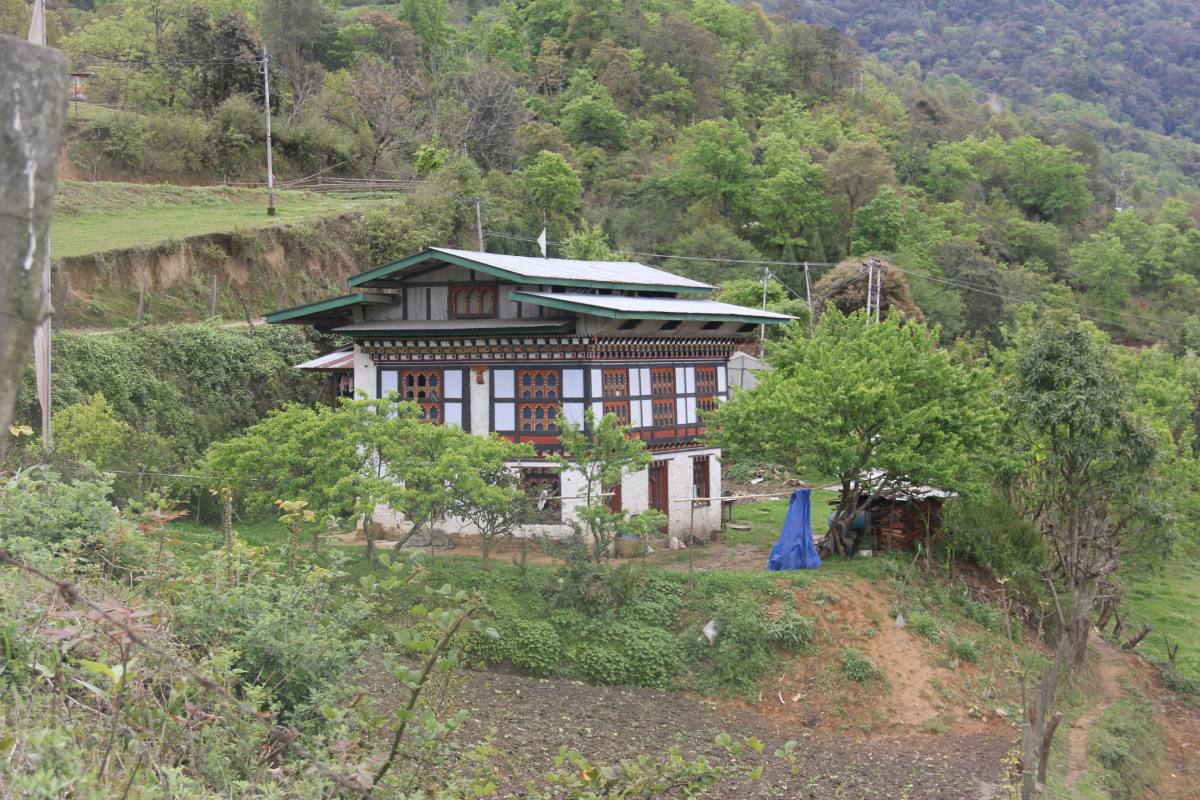
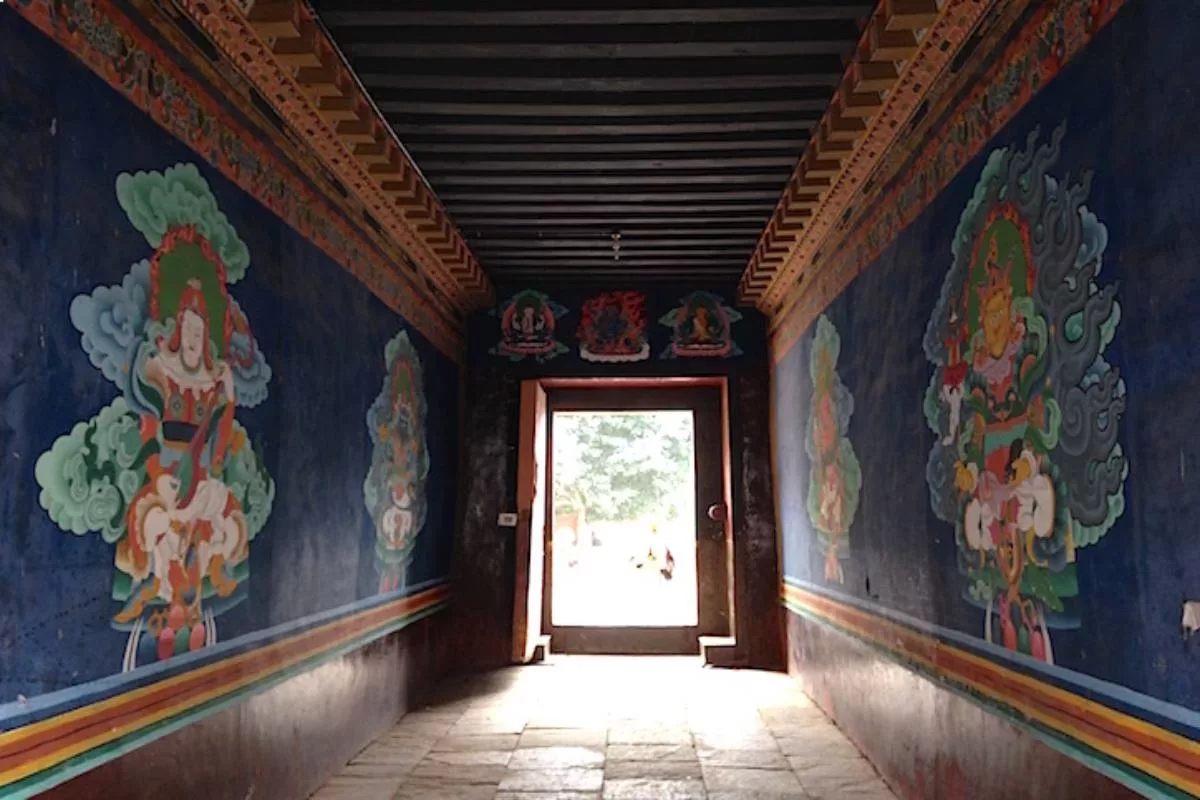
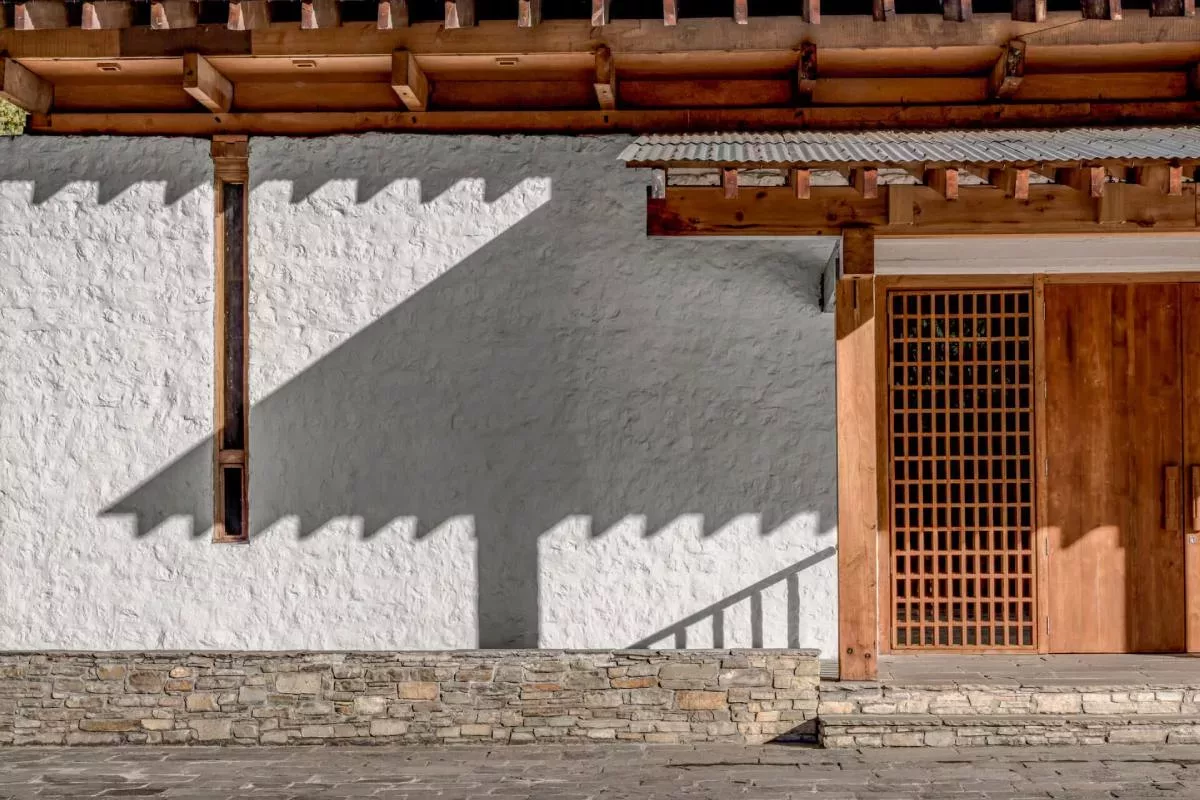
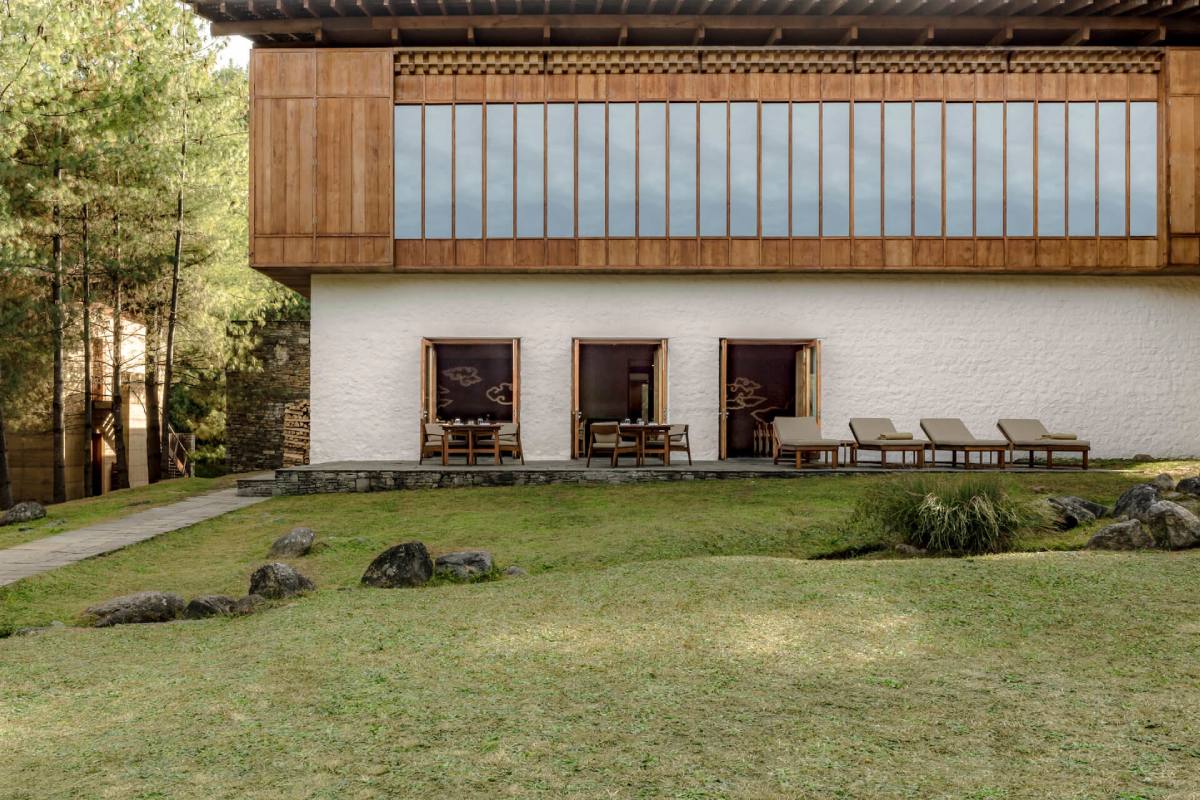
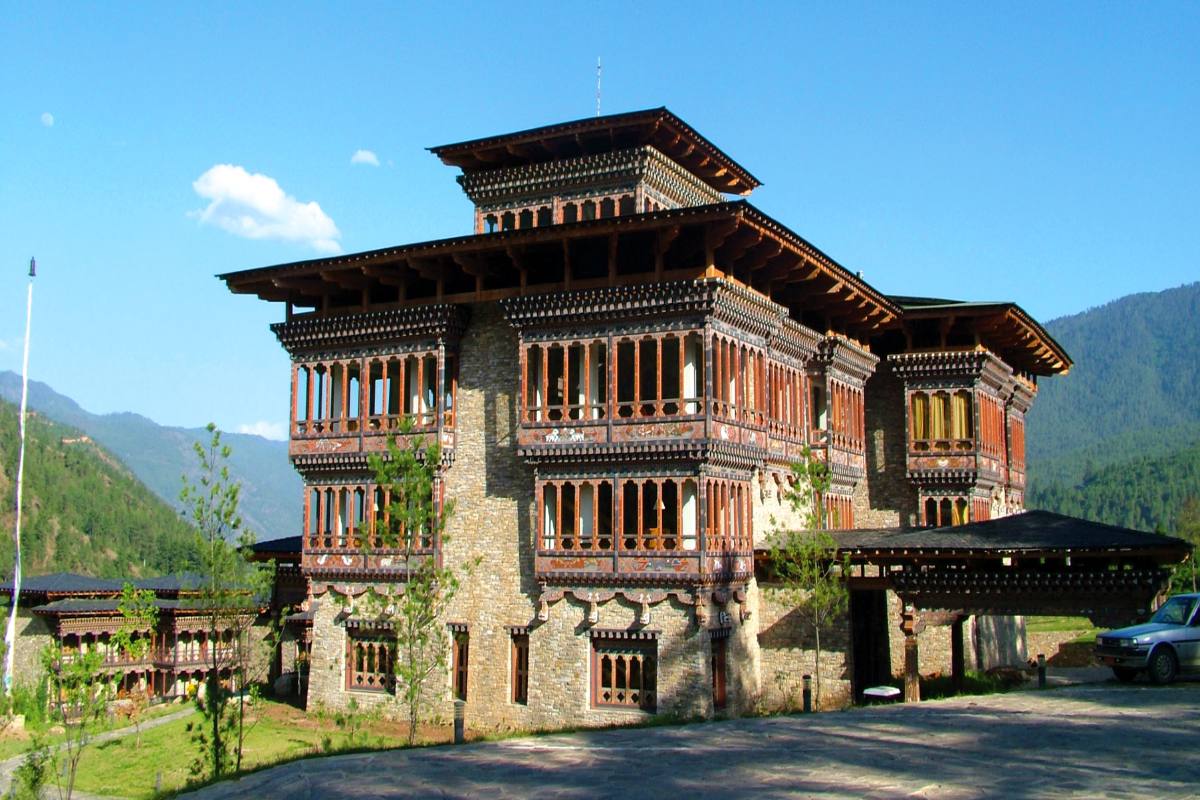
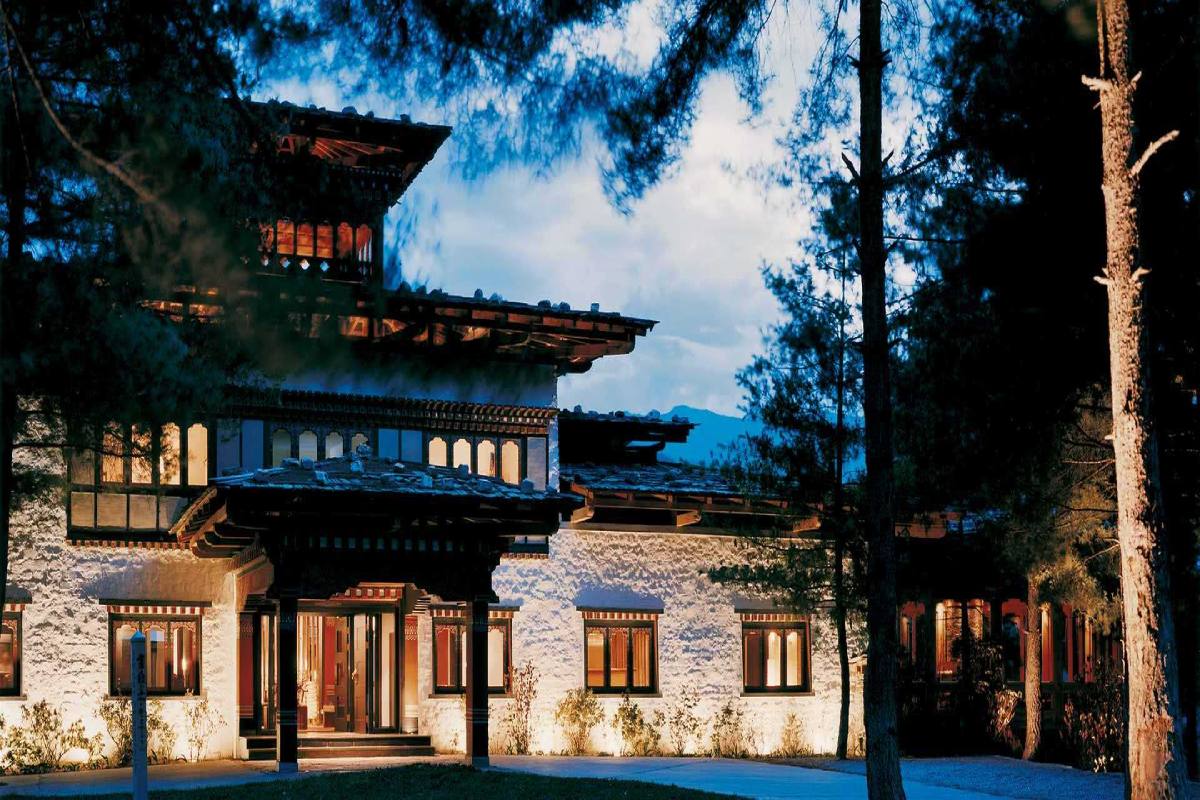
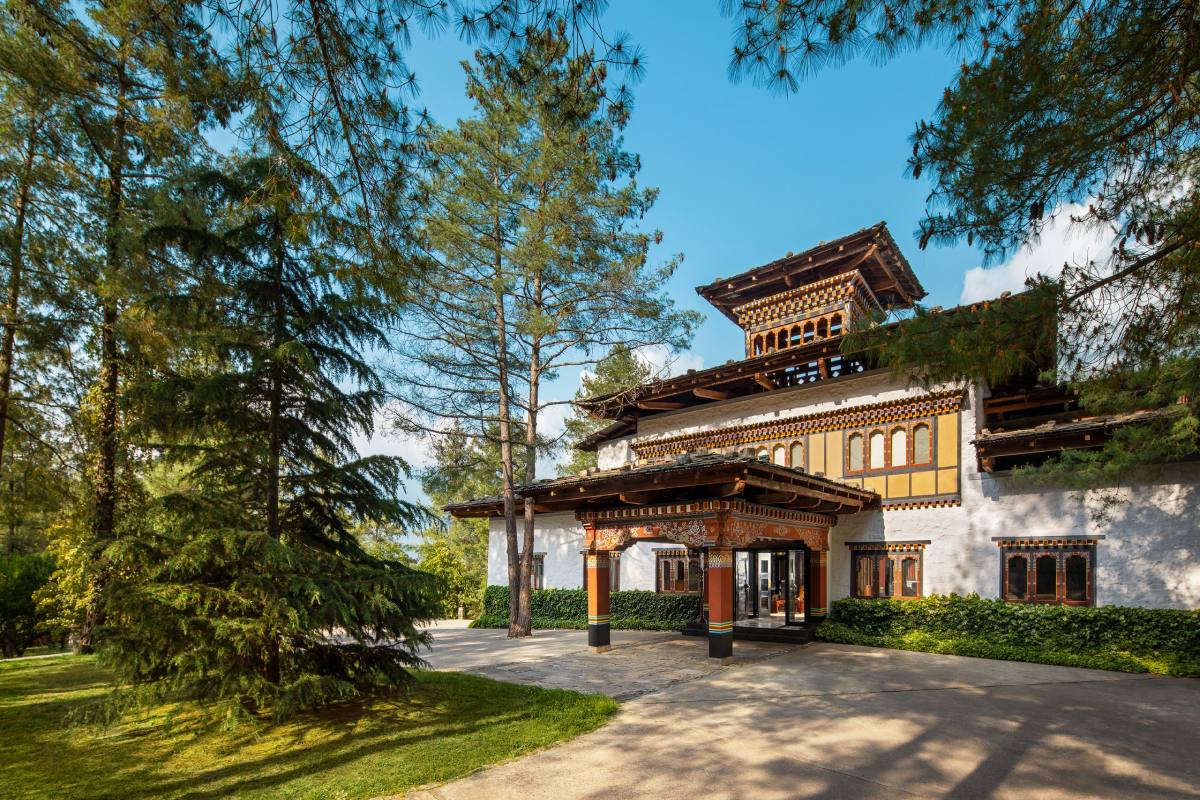
Bhutanese architecture is one of the country’s most recognisable cultural expressions. Dzongs, monasteries, temples, farmhouses and public buildings use distinctive proportions, inward-sloping walls, carved wooden windows and painted religious motifs.
Traditional dzongs were often built without detailed architectural plans. Their design combined local engineering knowledge with religious symbolism and defensive requirements.
Modern construction increasingly uses concrete, steel and contemporary engineering. However, architectural regulations continue to require many buildings to incorporate traditional Bhutanese design features.
Arts and Crafts
Bhutan’s traditional arts are collectively known as zorig chusum, or the 13 arts and crafts. They include painting, sculpture, weaving, woodcarving, masonry, metalwork, paper-making and other specialised practices passed between generations.
Religious paintings decorate monasteries and temples, while intricate woodwork appears on doors, pillars and windows. The arts are not treated only as decorative objects; many serve spiritual, architectural or ceremonial purposes.
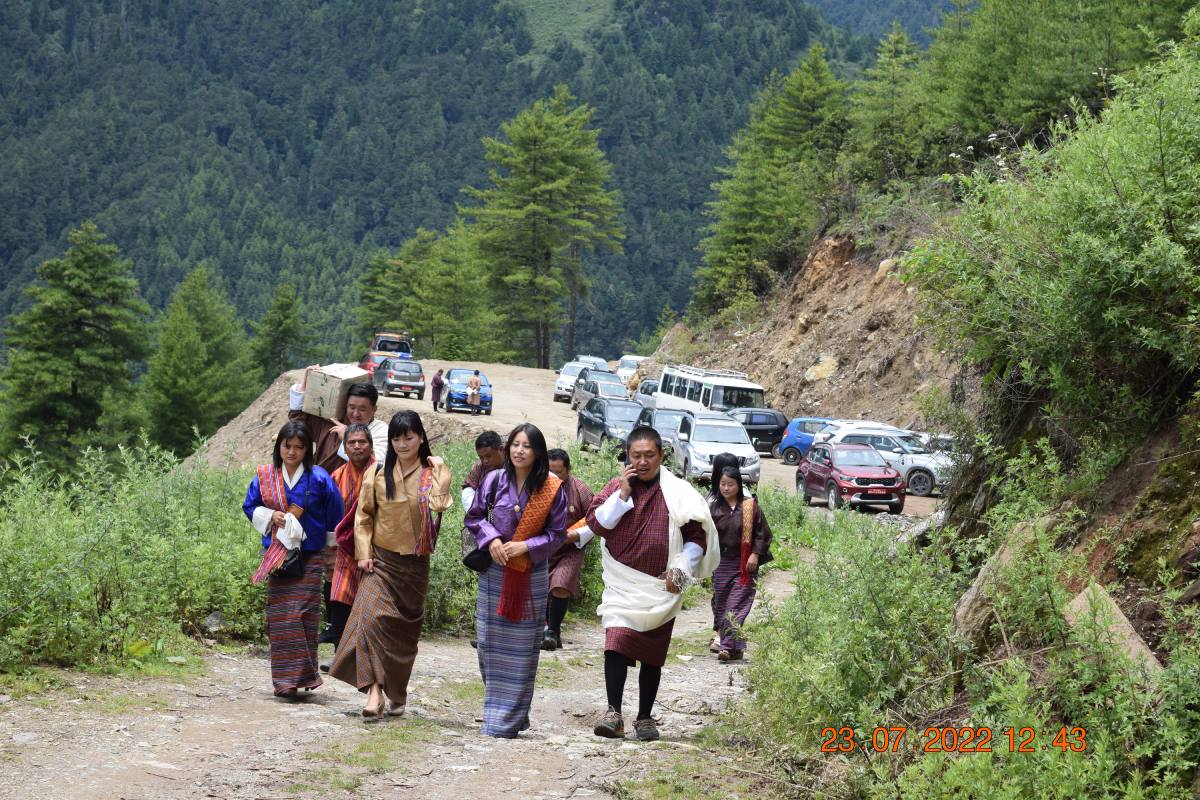
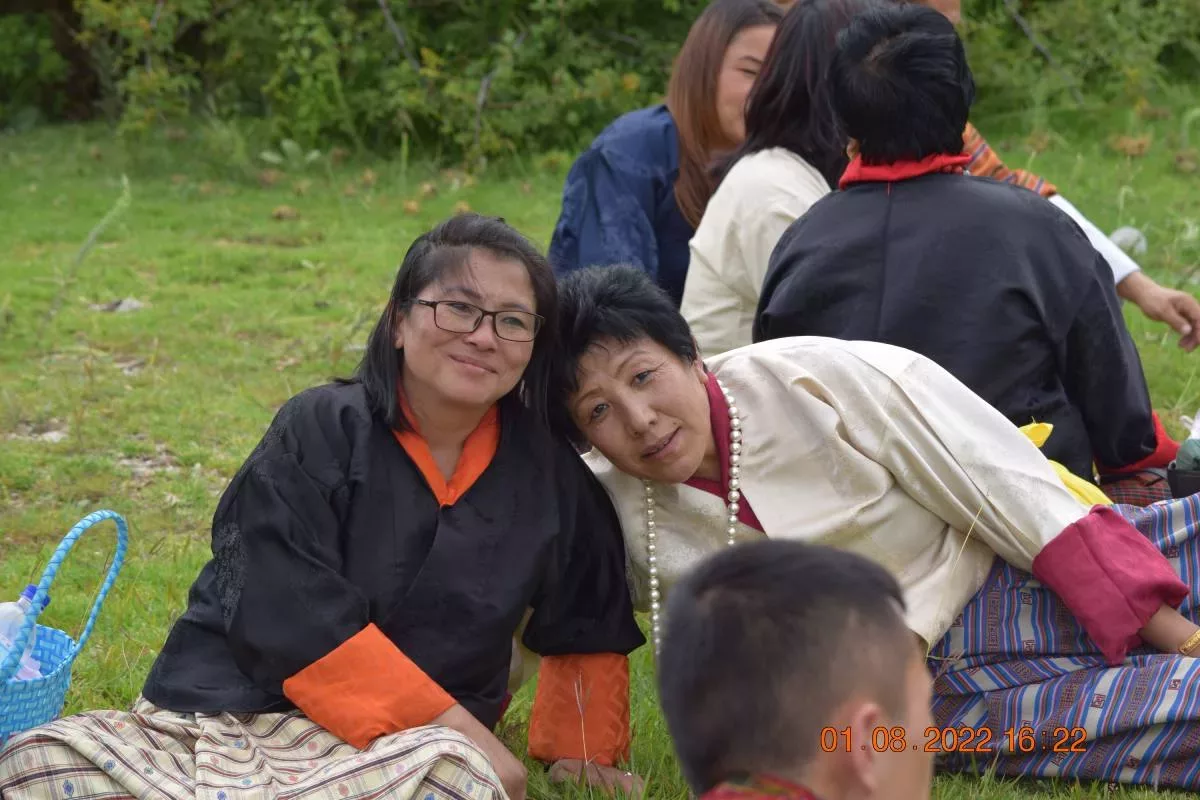
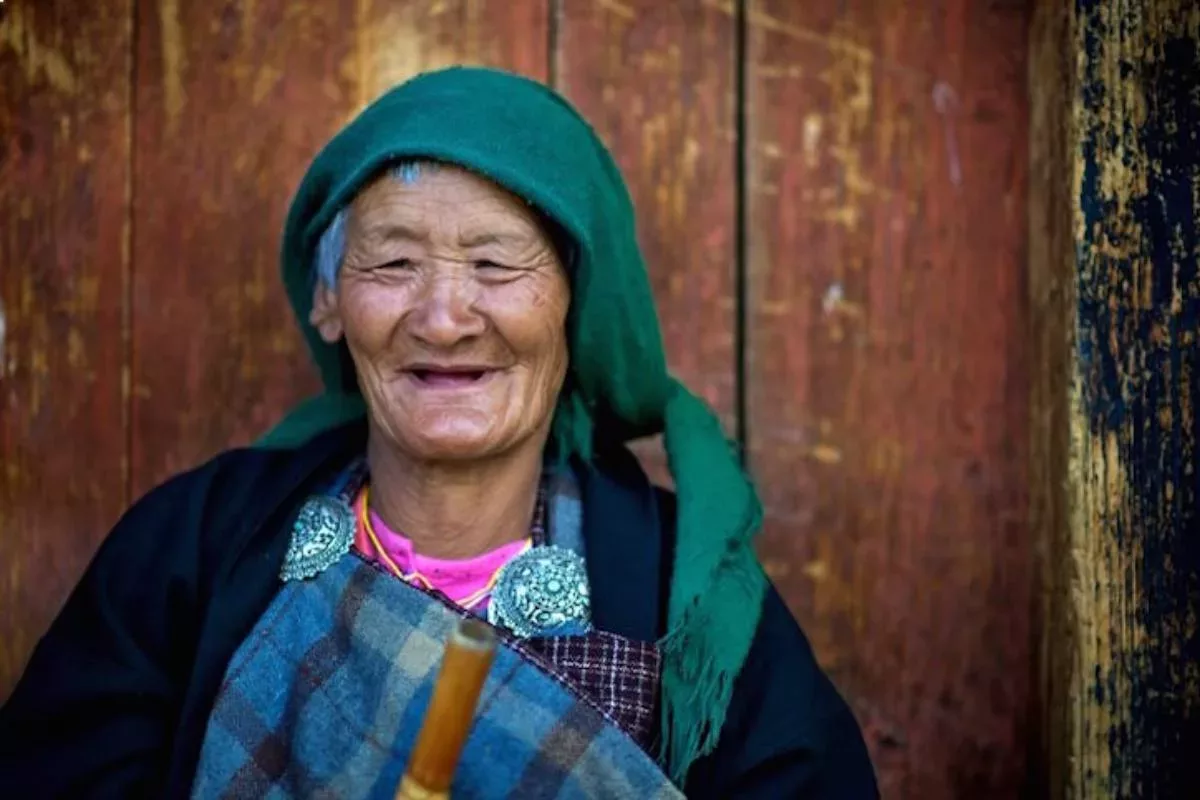
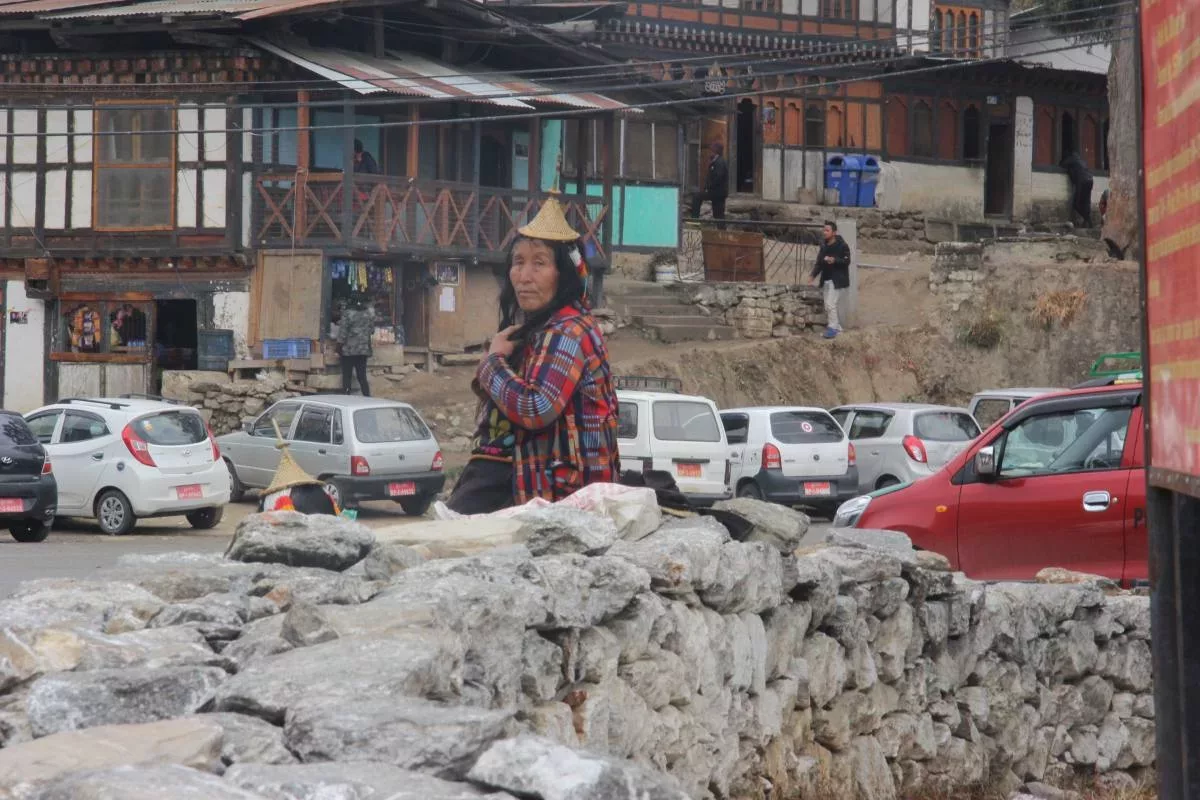
Bhutanese textiles are especially admired for their complex patterns and regional styles. Handwoven garments such as the kira worn by women and the gho worn by men remain visible in public institutions, festivals and formal occasions.
The official Bhutan tourism platform identifies the 13 traditional arts as a continuing cultural legacy rather than a collection of practices belonging only to the past.
Music, Dance and Festivals
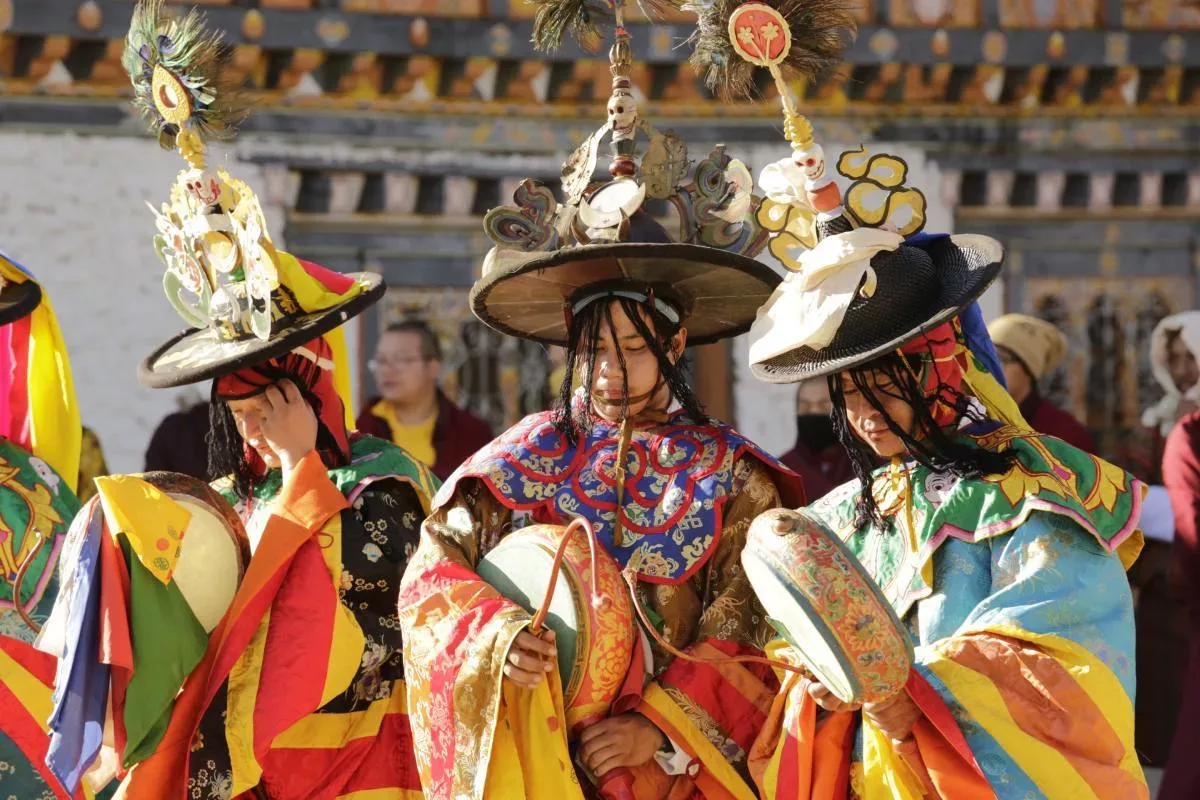
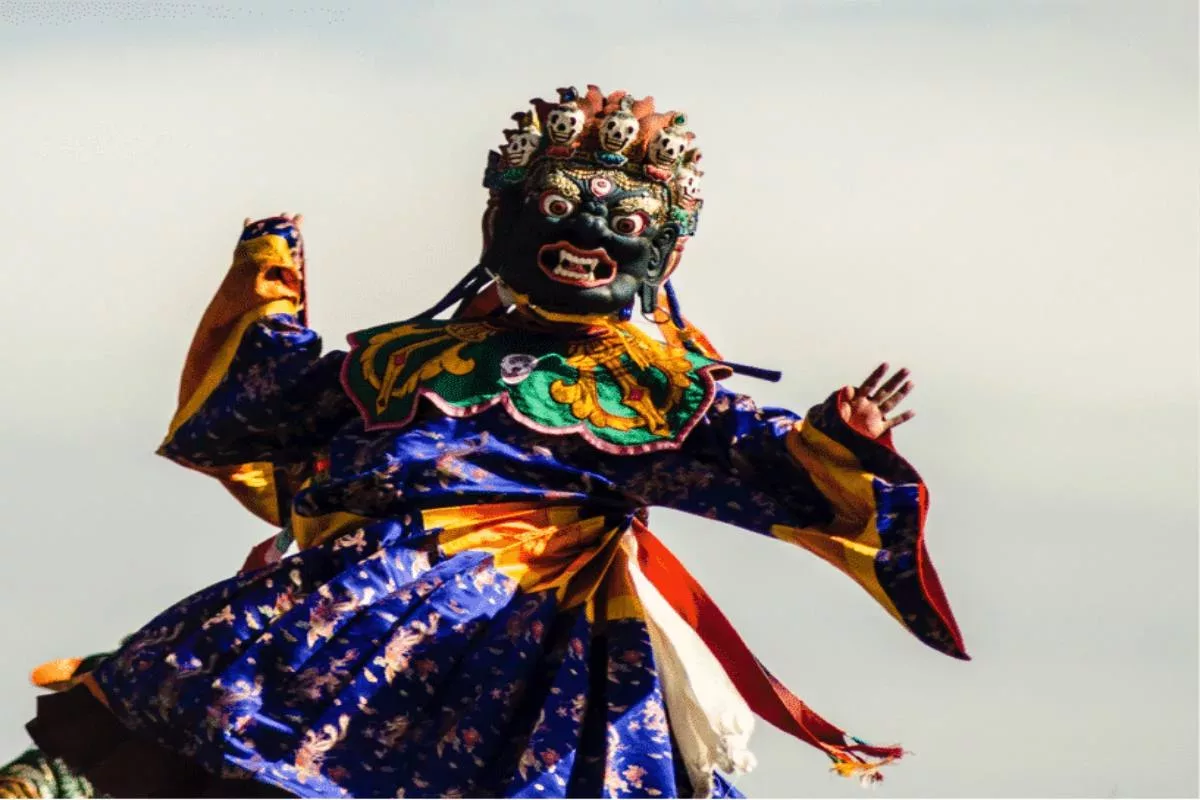
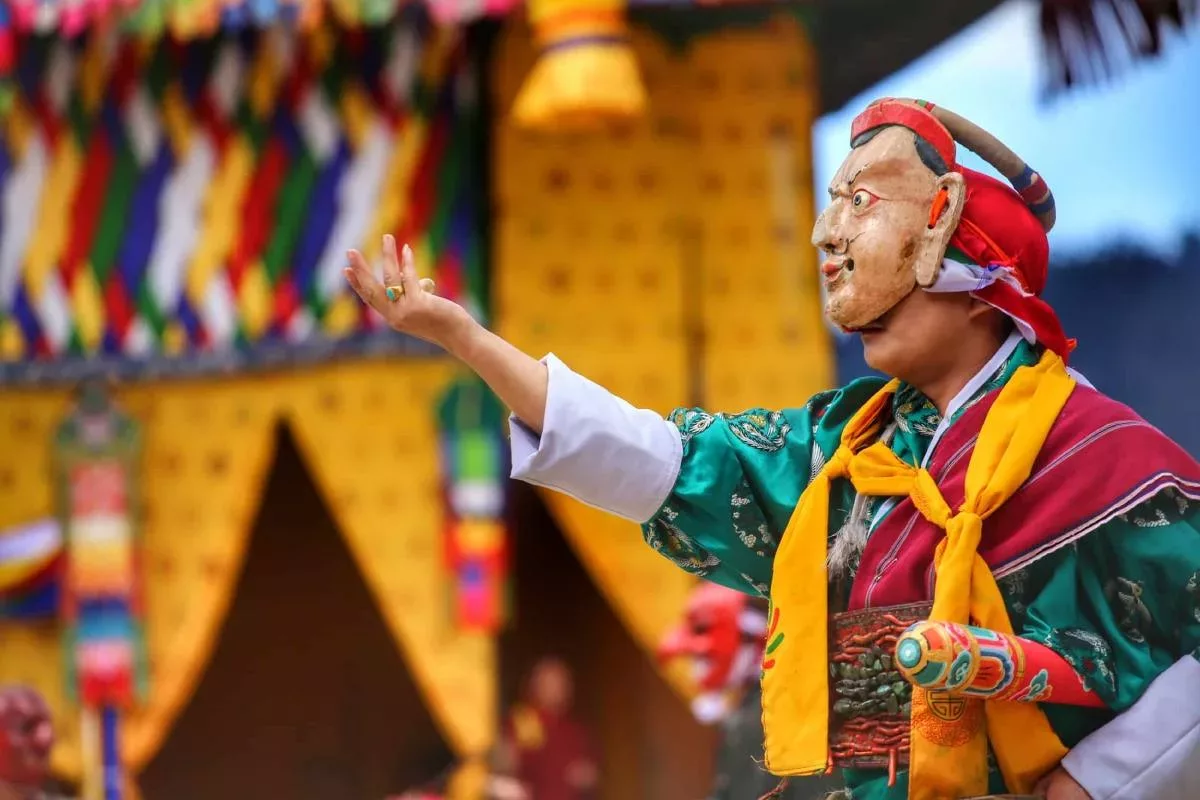
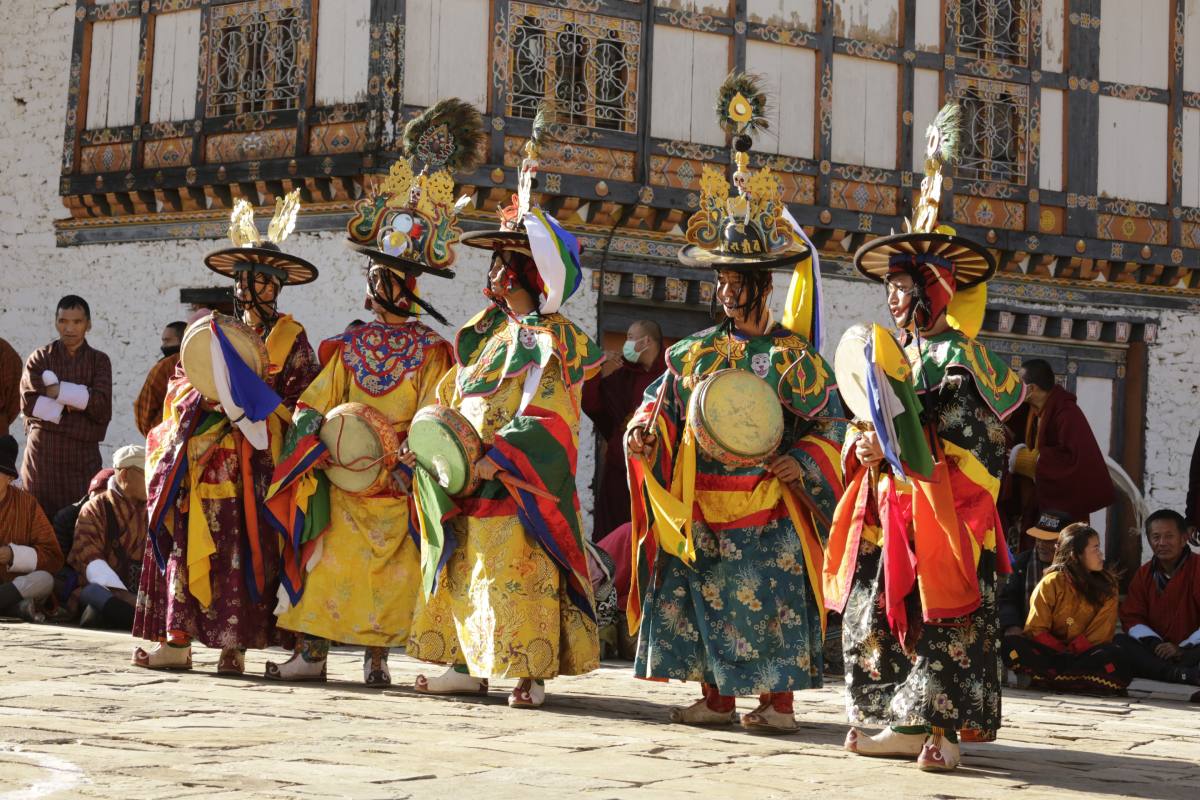
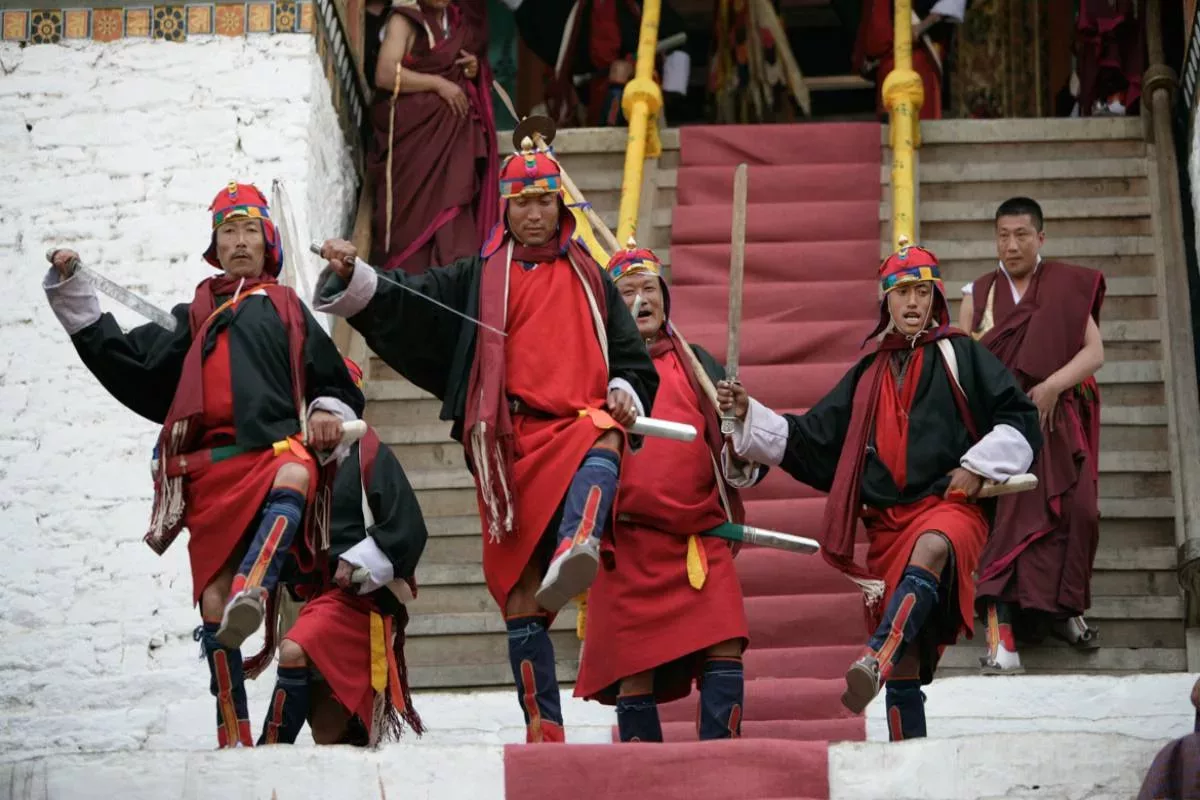
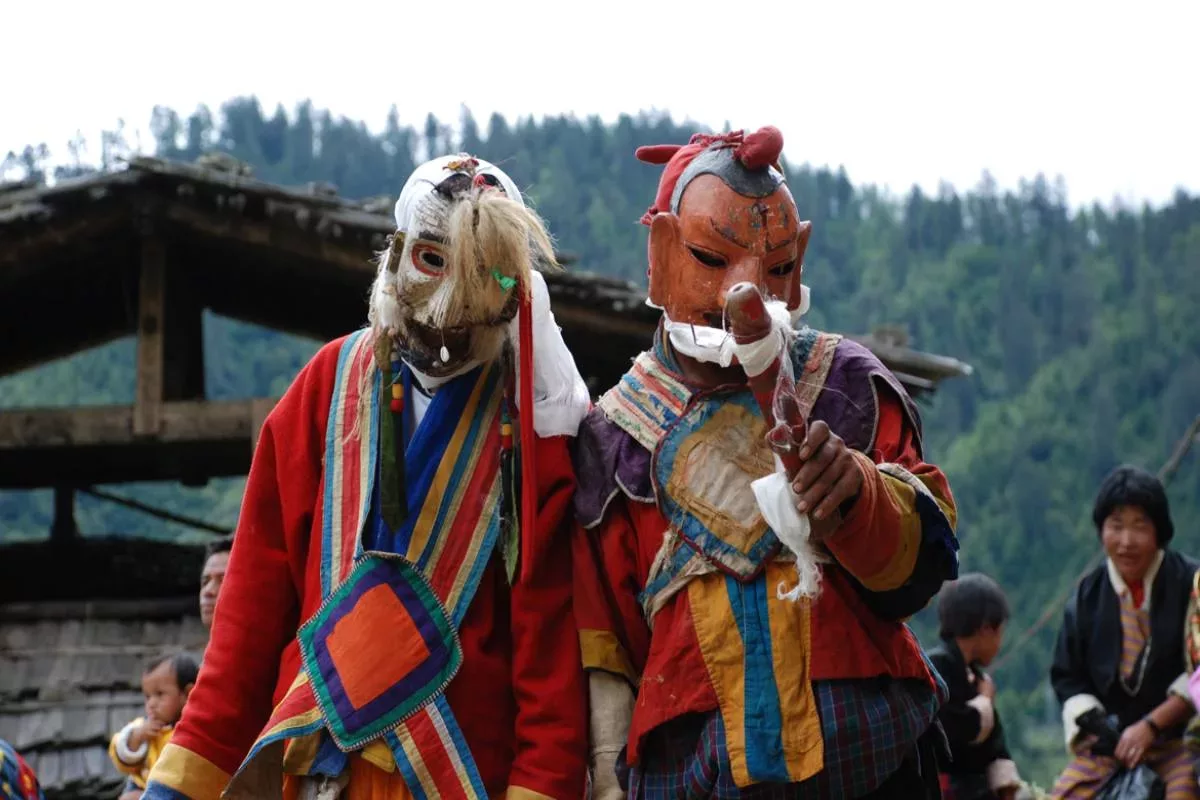
Music and dance bring together religious teaching, oral history and community celebration. Sacred mask dances, known as cham, are performed during annual tshechus and may represent protective deities, enlightened beings, animals or moral teachings.
Tshechus are both religious observances and major social occasions. Families wear their finest clothes, receive blessings, watch performances and reconnect with relatives and neighbours.
Festival dates follow the Bhutanese lunar calendar and change each year. Travellers should therefore check an updated 2026 festivals in Bhutan with dates and details before planning a visit.
Languages
Dzongkha is Bhutan’s national language, but the country is multilingual. Languages and dialects vary significantly between western, central, eastern and southern communities.
The existence of numerous languages reflects Bhutan’s mountainous geography. Historically, high passes, dense forests and steep river valleys limited communication between settlements, allowing distinct linguistic traditions to develop.
English plays an important role in education and professional communication. However, national policy continues to promote Dzongkha as a shared element of Bhutanese identity.
 Nature and Biodiversity in Bhutan
From Subtropical Forests to High Himalayas
Bhutan’s landscape rises from warm southern foothills to alpine meadows, glaciers and Himalayan peaks exceeding 7,000 metres. Travellers can move through several climatic and ecological zones within comparatively short geographic distances.
Southern Bhutan contains subtropical forests, grasslands and river systems. Central valleys support temperate forests and farmland, while northern regions include alpine habitats, glaciers and high-altitude pastures.
This elevation range supports diverse plant and animal communities. Bhutan is home to species such as takins, snow leopards, red pandas, elephants, golden langurs, black-necked cranes and hundreds of bird species.
Forest Protection
Bhutan’s 2022 State of the Environment Report recorded 70.46% forest cover. It also reported that 51.40% of the national landscape was included within protected areas and biological corridors.
Environmental protection is also embedded in the Constitution. The government must maintain at least 60% of Bhutan’s total land under forest cover for all time.
This legal requirement is significant because it places long-term ecological protection above short-term changes in government policy. Forests support watersheds, rural livelihoods, wildlife habitats, climate resilience and Bhutan’s hydropower-dependent economy.
However, describing Bhutan as an untouched paradise can hide real environmental pressures. Government assessments identify urbanisation, road construction, resource use, waste, forest degradation and climate change as continuing challenges.
Bhutan’s environmental achievement is therefore not the absence of pressure. It is the sustained effort to manage development while protecting a fragile mountain ecosystem.
nature and wildlife experiences in Bhutan
The People of Bhutan
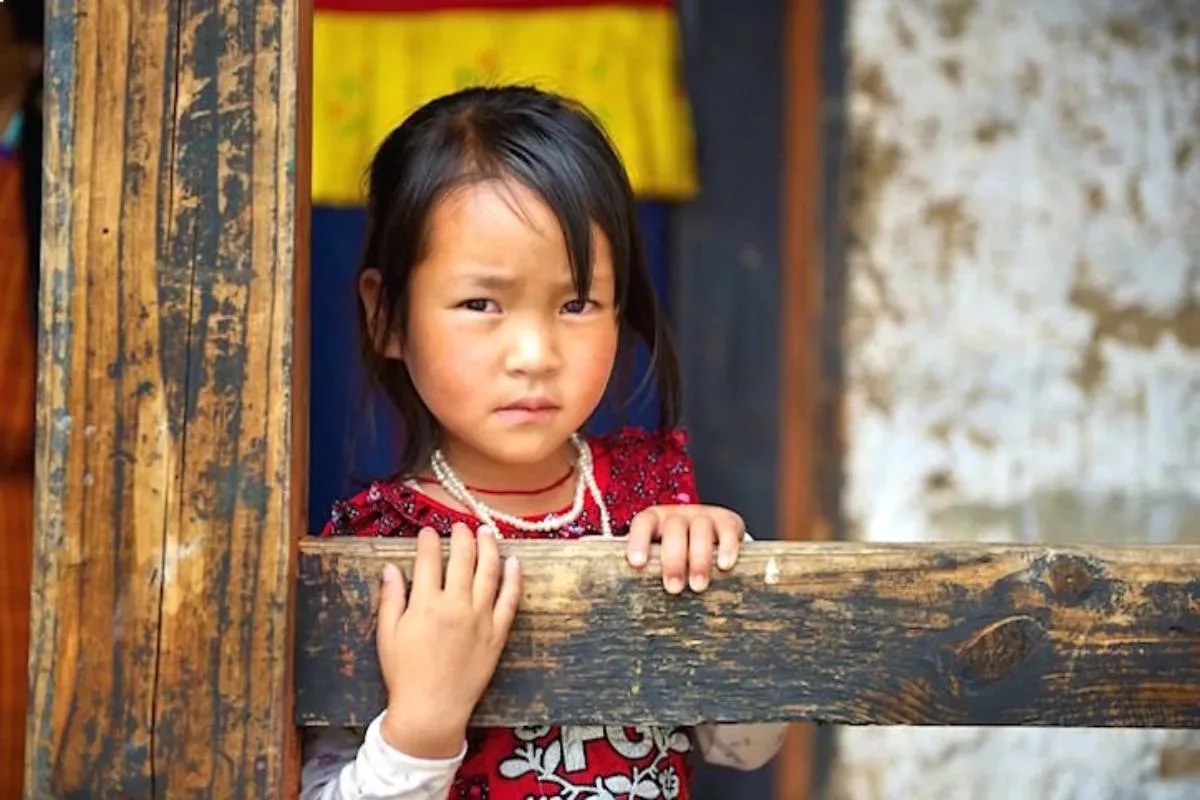
Bhutan’s population includes numerous regional and cultural communities. Ngalops are associated mainly with western Bhutan, Tshanglas with the east and Lhotshampas with the southern foothills, while Bumthaps, Khengpas, Brokpas, Layaps and other groups contribute to the country’s diversity.
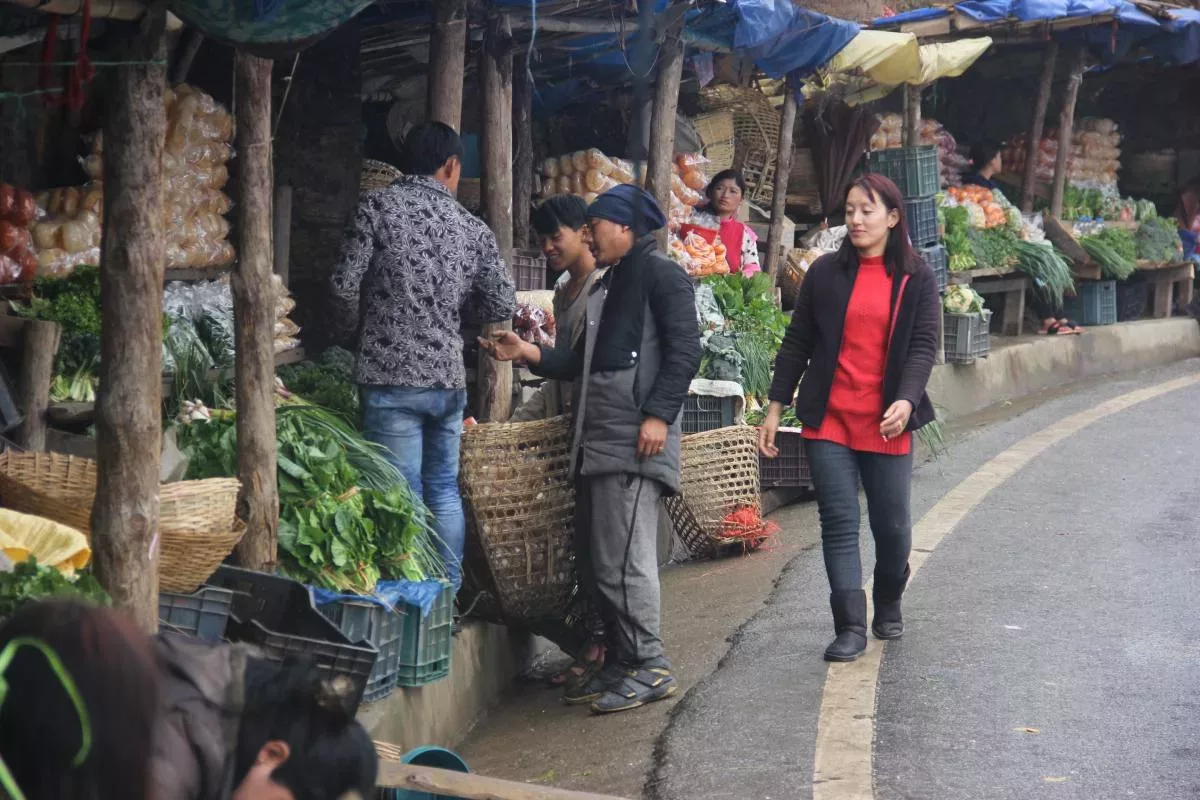
Rural life remains important, although older claims that more than 70% of Bhutanese depend on subsistence agriculture should not be reused without current labour and agricultural data. Migration to urban centres, expanding education and changing employment patterns have transformed the national economy.
Farmers cultivate rice in warmer valleys and crops such as maize, wheat, buckwheat and potatoes in other regions. Livestock rearing remains important in highland communities, where yaks provide dairy products, fibre, transport and income.
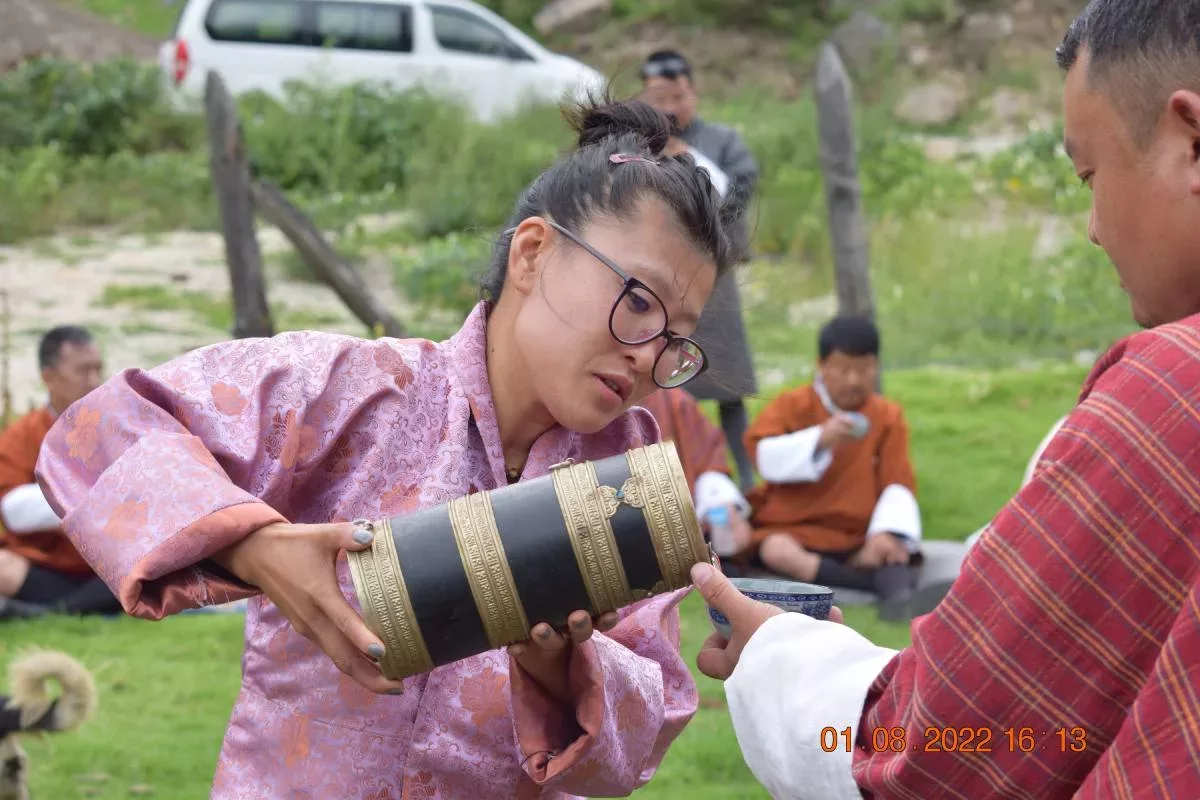
Hospitality is a widely valued social practice. Guests may be offered tea, food or ara, a traditional alcoholic drink, although customs differ between households and regions.
Visitors can understand these differences more deeply through a well-planned Bhutan travel guide rather than treating Bhutanese society as a single unchanging culture.
 Gross National Happiness and Modern Development
What Is Gross National Happiness?
Gross National Happiness, or GNH, is Bhutan’s development philosophy for evaluating progress beyond economic production alone. It asks how governance, culture, environmental protection, community life and material conditions contribute to human wellbeing.
The concept was introduced by the Fourth King, Jigme Singye Wangchuck, in the 1970s. It later developed into a formal framework covering multiple domains and measurable indicators.
GNH does not mean that every Bhutanese person is always happy. Nor does it replace the need for jobs, income, infrastructure or economic growth.
Instead, it provides a framework for asking whether development is equitable, environmentally responsible and culturally sustainable. Its practical value lies in broadening how policymakers define national progress.
Tradition and Change in Bhutan
| Traditional foundation | Modern development |
|---|---|
| Monasteries and religious education | Universities and professional training |
| Village footpaths and mule routes | National highways and domestic air connections |
| Local oral communication | Mobile networks and digital services |
| Subsistence and household farming | Commercial agriculture and private enterprise |
| Dzongs as centres of authority | Constitutional government and elected institutions |
| Regional artistic traditions | Contemporary art, film, music and design |
Bhutan has expanded roads, schools, health services, telecommunications and urban infrastructure within a few generations. These changes have improved access to services but have also introduced congestion, waste, youth unemployment, rural-to-urban migration and pressure on traditional livelihoods.
The central challenge is not whether Bhutan should modernise. Modernisation is already occurring. The question is how the country can create economic opportunity without weakening the natural and cultural systems that support national identity.
Tourism and Cultural Protection
Bhutan’s tourism model has historically attempted to manage visitor numbers and generate value that supports national development and conservation. Policies and fees have changed over time, so travellers should consult official sources rather than relying on older descriptions of “controlled tourism.”
The underlying principle remains consistent: tourism should contribute to Bhutan’s wellbeing rather than overwhelm fragile cultural sites and environments.
Responsible travellers can support this principle by respecting sacred places, following local dress and photography guidance, reducing waste and choosing licensed tourism services.
National Symbols of Bhutan
Bhutan’s national symbols communicate ideas about sovereignty, spirituality, natural heritage and unity.
National Emblem
The national emblem includes crossed vajras, a lotus, jewels and two dragons. The vajras represent harmony between spiritual and secular authority, the lotus signifies purity, and the dragons refer to Druk Yul, the Land of the Thunder Dragon.
National Flag
The flag is divided diagonally into yellow and orange sections. Yellow represents civil tradition and temporal authority, while orange represents Bhutan’s Buddhist spiritual tradition. The white dragon symbolises purity, and the jewels held in its claws represent the country’s wealth and security.
National Animal: Takin
The takin, scientifically known as Budorcas taxicolor, is Bhutan’s national animal. This large mountain mammal has a powerful body, short muscular legs and a distinctive appearance associated with Bhutanese religious mythology.
National Bird: Raven
The raven appears on Bhutan’s royal crown and represents Gonpo Jarodongchen, a raven-headed form of Mahakala regarded as a protective deity.
National Flower: Blue Poppy
Bhutan’s national flower is the blue poppy. Older publications identify it as Meconopsis grandis, but botanical research has classified Bhutan’s national flower as Meconopsis gakyidiana.
National Tree: Cypress
The cypress is Bhutan’s national tree. It is frequently planted near temples and monasteries and symbolises resilience, simplicity and the ability to survive in difficult mountain conditions.
National Sport: Archery
Archery is Bhutan’s national sport. Traditional competitions combine athletic skill with singing, dancing, food, humour and energetic exchanges between opposing teams.
National Language: Dzongkha
Dzongkha is the national language under Bhutan’s Constitution. Its name is commonly interpreted as the language spoken in the dzongs, historically the centres of religious and administrative authority.
National Anthem
Bhutan’s national anthem is commonly known as Druk Tsendhen. It expresses reverence for the Kingdom, its leadership and the Buddhist values associated with national unity.
National Day
Bhutan celebrates National Day on 17 December. The date commemorates the establishment of the hereditary monarchy and the enthronement of Gongsar Ugyen Wangchuck as the first King in 1907.
What Travellers Should Understand About Bhutan
Bhutan should not be approached merely as a scenic destination or an imagined “Shangri-La.” It is a living society dealing with the same questions confronting many small countries: employment, migration, climate change, economic diversification, cultural continuity and technological change.
Its temples, forests, villages and festivals have meaning because communities continue to maintain them. Travellers receive a richer experience when they understand the customs and responsibilities connected with those places.
A first journey commonly includes Paro, Thimphu and Punakha, but Bhutan’s cultural and ecological diversity extends across central, eastern and southern districts. See best places to visit in Bhutan when developing a longer itinerary.
Bottom Line: What Bhutan Represents
Bhutan’s significance lies in its effort to treat culture, nature and national wellbeing as foundations of development rather than obstacles to it.
The country has changed dramatically, and it will continue to change. Yet its Constitution, Buddhist heritage, monarchy, democratic institutions, protected forests and living traditions provide a framework for managing that transformation.
Bhutan is not frozen in the past. Its more important story is how a small Himalayan nation is attempting to enter the future without abandoning the values, landscapes and institutions that make it distinctive.
Frequently Asked Questions About Bhutan
Where is Bhutan located?
Bhutan is a landlocked country in the eastern Himalayas. It shares its northern border with China and its eastern, western and southern borders with India. Its landscape rises from subtropical foothills to high Himalayan mountains, creating major differences in climate, vegetation and ways of life across a relatively small area.
Why is Bhutan called the Land of the Thunder Dragon?
Bhutan is called Druk Yul, meaning the Land of the Thunder Dragon. “Druk” refers to the thunder dragon associated with the Drukpa Buddhist tradition. The sound of Himalayan thunderstorms was traditionally compared to the roar of a dragon, which became an enduring symbol of Bhutanese identity and sovereignty.
What religion do people follow in Bhutan?
Vajrayana Buddhism is the dominant spiritual tradition and strongly influences Bhutan’s festivals, architecture, arts and public institutions. Hinduism is also widely practised, particularly in southern Bhutan. Smaller religious communities are present as well, so Bhutan should be understood as a Buddhist-influenced society with meaningful internal religious diversity.
Is Bhutan really covered by forests?
Yes. Bhutan’s 2022 State of the Environment Report recorded forest cover at 70.46% of the country’s land area. The Constitution also requires Bhutan to maintain at least 60% forest cover permanently. Forest protection remains strong, although development, forest degradation, waste and climate change continue to create environmental pressures.
What is Bhutan most famous for?
Bhutan is best known for Gross National Happiness, Vajrayana Buddhist culture, Himalayan scenery, dzong architecture, forest conservation and distinctive national traditions. Travellers also associate the country with Tiger’s Nest Monastery, colourful religious festivals, archery, handwoven textiles and a tourism philosophy intended to protect cultural and environmental heritage.